




Contemplating coverage?
Subscribe to receive our emails & get
$200 OFF!
Have questions?
Call us: (833) 544-8273


Expert-Reviewed Content: Guided by Editorial Standards

Written By Angel Vallejo
Symptoms, Quick Fixes & How to Prevent AC Water Leaks
If you’ve ever noticed unexplained water pooling near your air conditioner, a condensate drain line issue may be to blame. This small but essential component plays a big role in keeping your AC system running efficiently and when it becomes clogged, it can lead to water damage, system shutdowns, and costly repairs.
In this guide, we’ll explain what a condensate drain line does, the most common symptoms of a clog, quick fixes you can try, and how regular AC drain line cleaning can help prevent future water leaks.
Your air conditioner doesn’t just cool the air—it also removes humidity. As warm air passes over the evaporator coil, moisture condenses into water. That water needs somewhere to go, which is where the condensate drain line comes in.
The condensate drain line:
When the condensate drain is clear, this process happens quietly in the background. When it’s blocked, water can back up into your system or home.
A clogged drain line rarely happens all at once. There are usually warning signs that give you time to act.
Watch for these red flags:
Ignoring these symptoms can lead to water damage, mold growth, and more serious HVAC issues.
Understanding what causes clogs can help you prevent them in the future.
Most common causes include:
In warm, humid climates, clogs are especially common due to rapid algae growth inside the condensate drain line.
Some minor clogs can be addressed quickly if caught early. These fixes are not a replacement for professional service, but they may help stop immediate water leaks.
Regular AC drain line cleaning can reduce the risk of recurring clogs, but persistent issues should always be inspected by an HVAC professional.
Not all clogs are DIY-friendly. If water continues to back up or you notice recurring issues, it’s time to bring in an expert.
Call a professional if:
A technician can safely clear the condensate drain, inspect connected components, and ensure the system is draining properly.
Preventive maintenance is the best way to avoid clogged drain lines and surprise water leaks.
Benefits of routine AC drain line cleaning include:
Most HVAC professionals recommend inspecting and cleaning the condensate drain line at least once a year, often during a seasonal tune-up.
A few simple habits can make a big difference in preventing clogs:
Staying proactive helps protect your home from unexpected AC water leaks.
Even with good maintenance habits, AC components can fail over time. A home warranty can help cover eligible HVAC repairs, offering added peace of mind when issues like drain line clogs disrupt your comfort.
Liberty Home Guard supports homeowners by helping manage the cost and complexity of maintaining essential home systems, so problems don’t turn into major financial surprises.
Your condensate drain line may be small, but it plays a critical role in your air conditioner’s performance. Knowing the symptoms of a clog, understanding the value of AC drain line cleaning, and taking preventive steps can help you avoid water damage and keep your system running smoothly.
For more expert home maintenance tips, HVAC insights, and protection options, explore additional resources from Liberty Home Guard. When it comes to homeownership, having trusted guidance makes all the difference.
There’s a reason Liberty Home Guard was rated the #1 Home Warranty
Service by U.S. News and World Report for 2021, 2022, 2023, and 2024. Check out our services.
Common symptoms include water pooling around your indoor AC unit, musty or moldy odors from vents, higher indoor humidity, and your system shutting off unexpectedly due to a triggered safety switch. You may also notice visible algae or debris near the drain line opening. These signs typically indicate water is not draining properly.
To clear a minor clog, you’ll typically need a wet/dry vacuum, distilled vinegar or warm water for flushing, a funnel, and possibly a screwdriver to access the drain line. In some cases, a pipe brush or flexible cleaning tool can help remove buildup inside the line.
The condensate drain line is usually a PVC pipe located near your indoor air handler or furnace. It often runs from the evaporator coil and leads outside your home or into a plumbing drain. Look for a small pipe near the indoor unit or a drip line exiting your home’s exterior wall.
You can prevent clogs by regularly flushing the drain line with distilled vinegar, changing your air filters to reduce debris, and keeping the outdoor drain exit clear. Scheduling annual HVAC maintenance is also highly recommended to ensure the system drains properly and stays free of buildup.
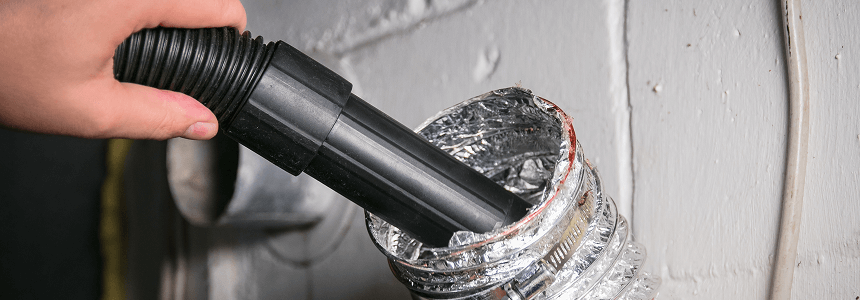
Yes, minor clogs can often be cleared by turning off your AC, attaching a wet/dry vacuum to the outdoor drain line to remove blockages, or flushing the line with vinegar or warm water. However, if the clog persists or keeps returning, it’s best to call an HVAC professional to avoid further damage.
Stay Ahead of Potential
Home Mishaps!
Subscribe to our Liberty Home Guard Newsletter and gain access to exclusive content that ensures your peace of mind.

Subscribe to receive our emails & get
Have questions?
Call us: (833) 544-8273