

- Most dishwasher draining issues are caused by clogs in filters, hoses, or disposal connections.
- Simple steps like resetting the unit and cleaning the filter can restore proper drainage.
- Routine maintenance helps prevent future drainage problems and extends appliance life.
- Persistent issues may signal a faulty drain pump and require professional repair.
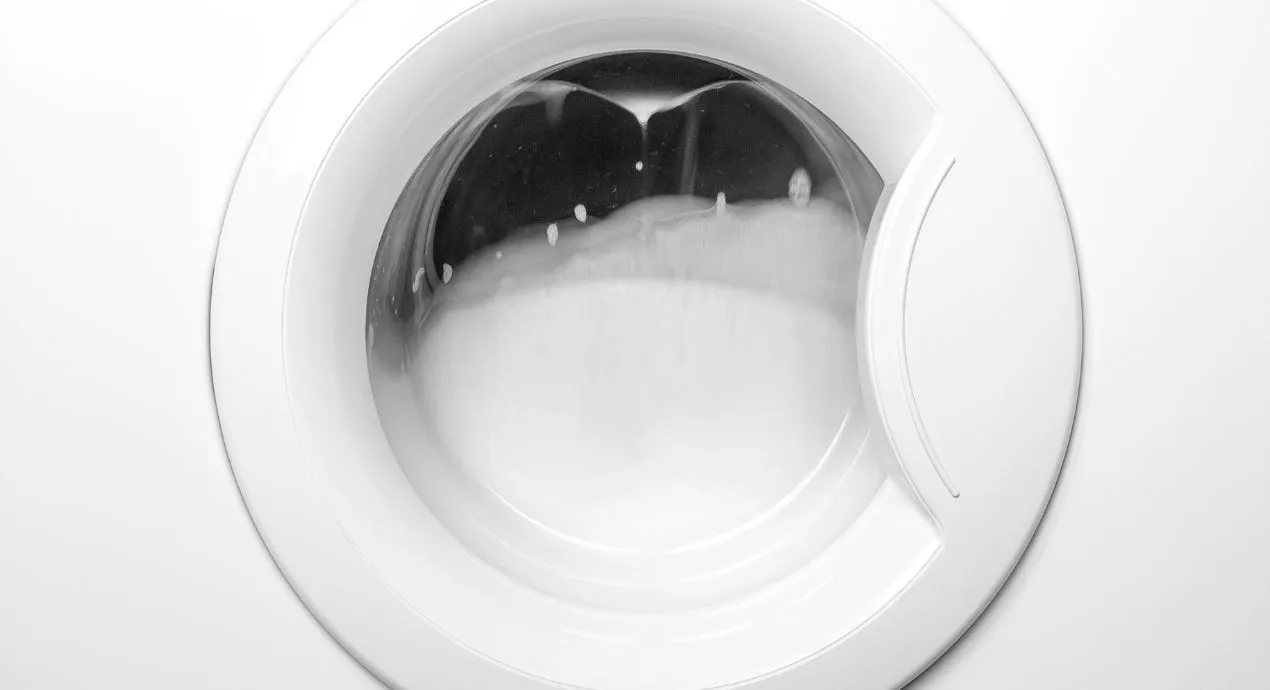
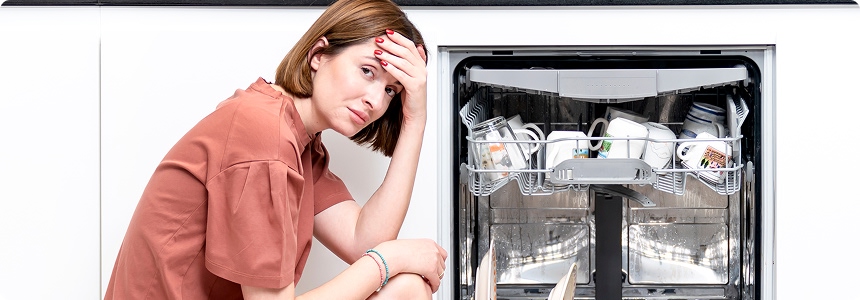
A dishwasher that’s full of standing water after a cycle can quickly turn from a minor annoyance into a major disruption. When your dishwasher is not draining, it can leave dishes dirty, create unpleasant odors, and even signal a bigger plumbing or appliance issue.
The good news? Many dishwasher problems have straightforward fixes you can try before calling in a professional. In this guide, we’ll walk you through how to fix a dishwasher not draining, explain the most common causes, and help you decide when it’s time to seek expert help.
The Best Home Warranty Service
There’s a reason Liberty Home Guard was rated the #1 Home Warranty Service by U.S. News and World Report for 2021, 2022, 2023, and 2024. Check out our services.
Learn MoreWhy Your Dishwasher Is Not Draining
Before jumping into repairs, it helps to understand why the problem happens in the first place. Most dishwasher drainage issues fall into one of these categories:
- Food debris or grease buildup
- Clogged filters or hoses
- Blocked garbage disposal
- Faulty drain pump or check valve
By narrowing down the cause, you can save time, money, and frustration.
Step 1: Start With a Simple Reset
Sometimes, the issue isn’t mechanical at all.
Before grabbing tools, try this:
- Turn off the dishwasher and unplug it or switch off the circuit breaker.
- Wait 5–10 minutes.
- Restore power and run a short cycle.
If the dishwasher drains normally afterward, the issue may have been a temporary control glitch.
Step 2: Check for Standing Water and Remove It Safely
If water is pooling at the bottom, scoop out excess water using a cup or bowl and use towels to soak up the remaining moisture. This makes it easier and safer to inspect internal components without water spilling everywhere.
Step 3: Clean the Dishwasher Filter
A clogged filter is one of the most common reasons why a dishwasher is not draining.
How to clean it:
- Remove the bottom rack.
- Twist or lift out the filter (check your owner’s manual for specifics).
- Rinse it under warm water.
- Use a soft brush to remove grease or food particles.
A clean filter improves water flow and prevents recurring drainage issues.
Step 4: Inspect the Drain Hose for Clogs or Kinks
If you’re still wondering how to fix the dishwasher not draining, the drain hose is a critical checkpoint.
Locate the hose under the sink or behind the dishwasher and look for sharp bends, kinks, or visible blockages. Disconnect the hose and flush it with warm water if needed. Even a small obstruction can prevent proper drainage.
Step 5: Check the Garbage Disposal Connection
Many dishwashers drain through the garbage disposal. If the disposal is clogged or newly installed, it can block water flow.
Here’s what to do:
- Run the garbage disposal to clear debris.
- If the disposal is new, ensure the knockout plug was removed.
- Check the drain inlet for food buildup.
This step alone often resolves drainage problems.
Step 6: Examine the Air Gap (If Your System Has One)
An air gap is a small fixture near the sink that prevents backflow.
Signs it’s clogged include water backing up into the sink and gurgling sounds during drainage. Remove the cap and clean out debris using a small brush or toothpick.
Step 7: Test the Drain Pump and Check Valve
When basic cleaning doesn’t help, the issue may involve internal parts.
Possible symptoms include a humming sound but no drainage and the dishwasher stopping mid-cycle. The drain pump or check valve may be jammed by debris or worn out or malfunctioning. At this stage, many homeowners choose professional service, especially if disassembly is required.
When to Call a Professional
If you’ve tried these steps and your dishwasher is not draining, it may be time to bring in an expert. Issues like electrical faults, pump failure, or control board problems require specialized tools and experience.
This is also where having a home warranty can make a big difference, helping reduce unexpected repair costs and stress.
How to Prevent Dishwasher Drainage Problems
Once you’ve learned how to fix the dishwasher not draining, prevention becomes the next priority.
Simple habits that help:
- Scrape (don’t rinse) dishes before loading
- Clean the filter monthly
- Run hot water before starting a cycle
- Avoid overloading the dishwasher
These small steps can extend your appliance’s lifespan and reduce future breakdowns.
A dishwasher that won’t drain is inconvenient, but it’s often manageable with the right guidance. By understanding common causes and knowing how to fix dishwashers not draining, homeowners can avoid bigger repairs down the road.
At Liberty Home Guard, we’re dedicated to helping homeowners feel confident about maintaining and protecting their homes. From practical DIY advice to robust home warranty coverage, our expertise is here to support you every step of the way. Discover more appliance care tips and home protection resources from Liberty Home Guard and enjoy peace of mind with every cycle.
Protect What’s Most Important With
America’s #1 Home Warranty
Get A Free Quote- Comprehensive Plans
- Highly Competitive Rates
- 24/7/365 Claims
- Online Portal