




Contemplating coverage?
Subscribe to receive our emails & get
$300 OFF!
Have questions?
Call us: (833) 544-8273

Expert-Reviewed Content: Guided by Editorial Standards

Written By Allaire Conte
Few household frustrations are as disruptive as a clothes dryer that isn’t working properly. Whether it’s leaving clothes damp, refusing to start, or struggling to dry efficiently, a malfunctioning dryer can quickly upend your laundry routine. These issues are not only inconvenient but can also lead to damage, energy inefficiency, and even fire hazards.
Fortunately, most dryer troubles stem from common causes that can be identified and resolved with the right approach. Understanding what’s behind these issues can help you restore your dryer’s performance, keep your household running smoothly, and potentially avoid costly repairs.
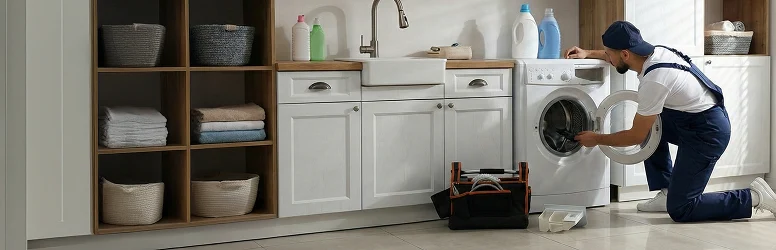
A dryer that refuses to start can feel like a major inconvenience, but it’s often a problem you can solve with some basic troubleshooting. Before assuming the worst, run through these steps to identify what’s preventing your dryer from running.
Start by ensuring your dryer is receiving power. Check that it’s plugged in securely and that the outlet is functioning. Test the outlet by plugging in another device or using a voltage tester. If the outlet isn’t working, the issue could be a tripped circuit breaker or a blown fuse. Reset the breaker or replace the fuse as needed.
Dryers are designed not to operate if the door isn’t securely closed. A small mechanism called a door switch detects whether the door is shut and can sometimes malfunction. Press the switch manually and listen for a clicking sound; if you don’t hear it, the switch may need to be replaced.
If pressing the start button does nothing, the button itself may be faulty. Over time, electrical components inside the button can wear out, preventing the dryer from activating. Testing the continuity of the button with a multimeter can confirm if it’s the source of the problem.
Many modern dryers display error codes when something is wrong. Consult your dryer’s user manual to decode any messages or symbols on the control panel. These codes can point you toward specific issues, such as a malfunctioning control board or motor.
The thermal fuse is a safety feature designed to shut off the dryer if it overheats. If the fuse is blown, the dryer won’t start. Use a multimeter to check for continuity in the fuse. If it’s blown, replace it with a new one to restore functionality.
If the motor is damaged or the drum belt is broken, the dryer won’t start or spin. Open the dryer and inspect the belt for wear and tear. A professional may be required to diagnose and repair motor issues, but belts can often be replaced as a DIY fix.
If none of these steps resolve the issue, it’s time to consult a professional technician. Problems like a faulty control board or damaged motor are complex and best handled by an expert. Additionally, if your dryer is still under warranty, repairs may be covered at little or no cost.
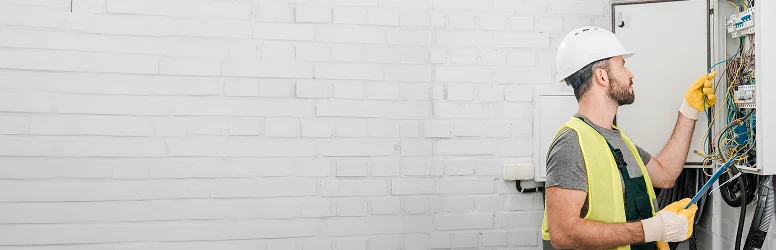
There are few things worse than your dryer not heating. This issue is one of the most common dryer malfunctions and is often caused by a specific, identifiable problem. Here are some of the typical reasons your dryer might not be heating and what you can do about them:
The heating element is responsible for generating the heat needed to dry your clothes. Over time, it can wear out or break, leaving your dryer unable to produce heat. To check if this is the issue, you’ll need to test the heating element for continuity with a multimeter. If it’s faulty, replacing the element is usually the best solution.
The thermal fuse is a safety feature that prevents the dryer from overheating. If the fuse blows, the dryer will run but won’t produce heat. A blown fuse is often caused by restricted airflow, such as a clogged vent. Test the fuse with a multimeter and replace it if necessary. Be sure to clean your dryer vents to prevent future overheating.
A blocked vent restricts airflow, causing the dryer to overheat and shut down the heating system as a safety measure. Check the vent for lint buildup or obstructions. Cleaning the vent regularly not only restores proper heating but also reduces the risk of a dryer fire.
The high-limit thermostat regulates the dryer’s temperature, ensuring it doesn’t overheat. If this thermostat malfunctions, it can prevent the dryer from reaching the proper temperature. A faulty thermostat needs to be tested for continuity and replaced if it’s no longer functioning.
The timer and control board are responsible for managing the heating cycles. If these components fail, the dryer may run without producing heat. Diagnosing these issues typically requires professional expertise, as they involve complex electrical systems.
Electric dryers require a 240-volt power supply to operate the heating element. If the dryer is only receiving 120 volts, it may run but won’t heat. Check your circuit breaker or power outlet to ensure the dryer is getting the full voltage it needs.
A clogged or damaged lint filter can restrict airflow, causing overheating and shutting off the heating system. Make sure the lint filter is clean and free of tears or holes to allow proper airflow.
Your dryer is an essential appliance, and when it starts showing signs of trouble, addressing the issue promptly can prevent larger, more costly problems down the line. Here are some common signs that your dryer may need professional repair:
| Sign | Likely Cause | Recommended Action |
|---|---|---|
| Clothes take longer to dry | Clogged vent, failing heating element, or airflow issue | Clean vents; if problem persists, call a technician |
| Strange noises (squeaking, grinding, banging) | Worn drum belt, faulty rollers, or malfunctioning motor | Inspect belt; contact professional for motor issues |
| Dryer feels excessively hot | Malfunctioning thermostat, blocked vent, or faulty thermal fuse | Stop use immediately; have it inspected |
| Drum isn’t spinning | Broken belt or defective motor | Replace belt (DIY) or call professional for motor repair |
| Burning smell | Lint buildup near heating element, worn belt, or electrical issues | Stop use immediately; inspect for fire hazards |
| High energy bills | Dryer struggling to operate efficiently | Schedule professional diagnostic |
When your dryer isn’t drying well, troubleshooting can help you uncover the root cause and potentially fix the issue without the need for professional assistance. Here’s what to do:
Before diving into more detailed checks, confirm that the dryer is securely plugged in and that the outlet is providing power. For electric dryers, ensure the circuit breaker is not partially tripped, as these dryers require 240 volts to operate properly. Gas dryers should have the gas supply valve fully open.
Sometimes, the issue may be as simple as selecting the wrong drying mode. For instance, if you accidentally choose an "Air Dry" or "No Heat" setting, the dryer will tumble without producing heat. Double-check your settings to ensure they align with your intended cycle.
The vent flap outside your home plays a critical role in expelling hot air from the dryer. If it’s stuck closed or obstructed by debris, airflow can be restricted, leading to poor drying performance. Check the flap and clear any blockages to restore proper ventilation.
Sometimes, a simple reset can resolve unexpected issues. Unplug the dryer for a few minutes, then plug it back in to reset the control board. This can clear minor glitches and restore normal operation.
External factors, like extreme humidity or low temperatures, can affect a dryer’s performance. Ensure the dryer is placed in a well-ventilated area, and avoid using it in spaces that experience drastic temperature fluctuations, such as garages or unfinished basements.
If your troubleshooting efforts don’t resolve the problem or reveal a complex issue, such as electrical faults or internal motor damage, it’s time to consult a qualified technician. Attempting to repair advanced components without proper knowledge can lead to further damage or safety risks.
There’s a reason Liberty Home Guard was rated the #1 Home WarrantyThe Best Home Warranty Service
Service by U.S. News and World Report for 2021, 2022, 2023, 2024, and 2026. Check out our services.
The most common causes are a blown thermal fuse, faulty heating element, clogged vent, or (for electric dryers) a partially tripped circuit breaker providing only 120 volts instead of 240.
Use a multimeter to test for continuity—if there's no continuous electrical path, the fuse is blown and needs replacement.
Yes, for simple issues like cleaning vents, checking power supply, or replacing a thermal fuse. However, repairs involving gas components, control boards, or motors should be handled by professionals.
Clean the lint filter after every load and have the entire vent system cleaned at least once a year to prevent fire hazards and maintain heating efficiency.
Check that the gas supply valve is fully open. If it is, the gas valve solenoids may be defective and require professional replacement.
Costs vary depending on the issue: thermal fuse replacement typically runs $100–$200, while heating element replacement can cost $150–$300 including labor.
Stay Ahead of Potential
Home Mishaps!
Subscribe to our Liberty Home Guard Newsletter and gain access to exclusive content that ensures your peace of mind.

Subscribe to receive our emails & get
Have questions?
Call us: (833) 544-8273