
Contemplating coverage?
Subscribe to receive our emails & get
$200 OFF!
Have questions?
Call us: (833) 544-8273

Expert-Reviewed Content: Guided by Editorial Standards

Written By Angel Vallejo
Plumbing issues rarely happen at convenient times. A leaking pipe, clogged drain, or failing water heater can quickly turn into a costly repair if left unchecked. The good news is that many problems can be avoided with simple preventative care. By following a few plumbing maintenance tips, homeowners can extend the life of their plumbing system and reduce the risk of unexpected breakdowns.
Routine maintenance doesn’t require advanced skills, but just a little awareness and consistency. Whether you’re new to homeownership or looking to improve your home care routine, these practical tips will help you stay ahead of plumbing problems before they start.
Below are 10 plumbing maintenance tips every homeowner should know to keep their home running smoothly.
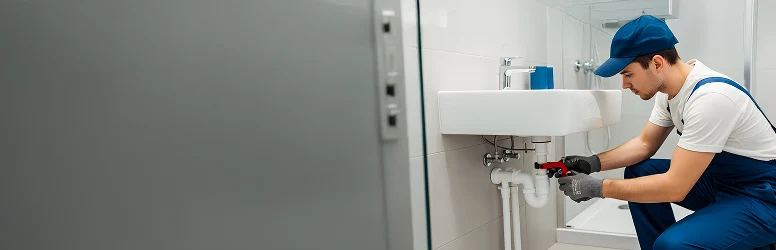
Plumbing systems work behind the scenes every day, delivering clean water and removing waste efficiently. Because most pipes and fixtures are hidden, problems can go unnoticed until significant damage occurs.
Regular maintenance helps homeowners:
Making plumbing maintenance part of your home care routine can save money and prevent stressful situations down the road.
One of the most important plumbing maintenance tips is to routinely inspect for leaks around your home. Even a small drip can waste gallons of water and eventually cause structural damage.
Look for leaks in common areas like:
Signs of hidden leaks may include water stains, mold growth, or an unexplained increase in your water bill.
When drains slow down, many homeowners reach for chemical cleaners. While they may provide a temporary fix, these products can damage pipes over time.
A safer alternative includes:
Preventative care is one of the best plumbing maintenance tips because it protects both your plumbing system and the environment.
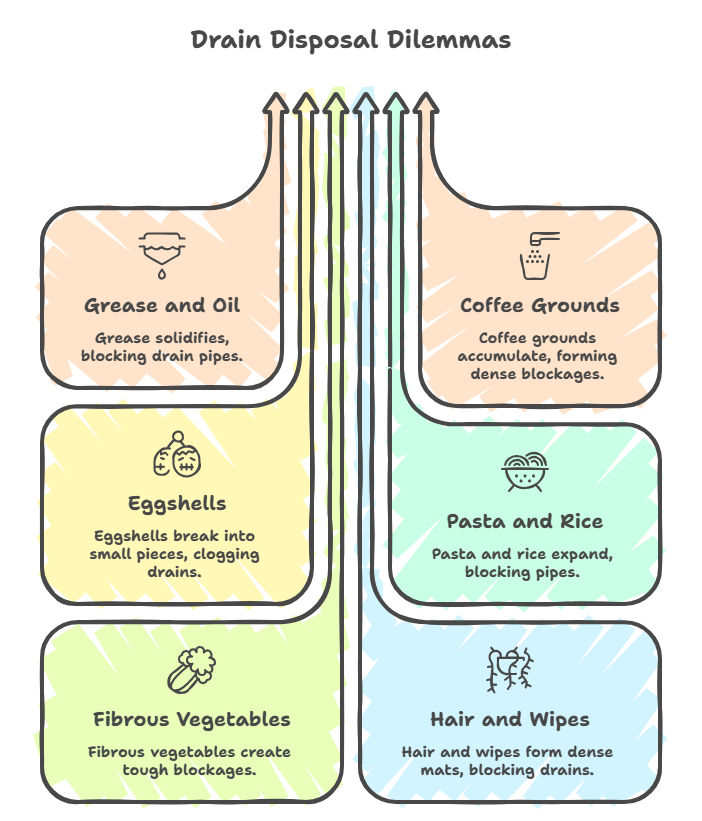
Many clogs happen because everyday items end up in drains that aren’t designed to handle them. Avoid putting the following down kitchen sinks or garbage disposals:
In bathrooms, keep hair, wipes, cotton balls, and hygiene products out of drains to prevent blockages.
Water pressure that is too high can damage pipes, appliances, and fixtures.
Most homes should maintain water pressure between 40 and 60 PSI. Higher pressure may strain plumbing connections and lead to leaks.
You can test pressure with an inexpensive gauge that attaches to an outdoor faucet. If pressure is consistently high, installing a pressure regulator can help protect your plumbing system. Monitoring water pressure is one of the easiest yet most overlooked plumbing maintenance tips.
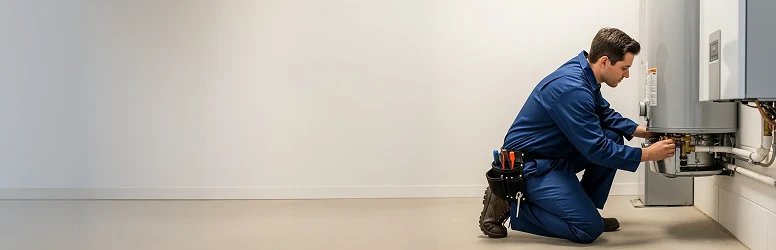
Sediment buildup inside a water heater can reduce efficiency and shorten the unit’s lifespan. Flushing the tank once a year helps remove mineral deposits and keeps the heater running efficiently.
The basic process includes:
Regular maintenance improves performance and helps prevent costly replacements.
Toilets are responsible for a significant portion of household water use, so keeping them in good working condition is essential.
Common issues to check for include:
A running toilet can waste hundreds of gallons of water each day. Replacing small components early is one of the most effective plumbing maintenance tips homeowners can follow.
Even when drains appear to work fine, buildup can accumulate over time. Preventative drain cleaning can help avoid stubborn clogs later.
Consider these simple habits:
These small actions go a long way toward maintaining healthy plumbing.
Every homeowner should know where their main water shut-off valve is located. In the event of a burst pipe or major leak, shutting off the water supply quickly can prevent significant damage.
Common locations include:
If you’re unsure where your valve is located, take time to locate it now before an emergency occurs.
Frozen pipes are a common cause of plumbing damage in colder climates. When water freezes, it expands and can cause pipes to burst.
To prevent this issue:
Taking these precautions is one of the most practical plumbing maintenance tips for winter protection.
While homeowners can handle many maintenance tasks themselves, professional inspections can identify hidden problems.
A licensed plumber can:
Routine inspections provide peace of mind and help ensure your plumbing system stays in excellent condition.
Even with regular maintenance, plumbing systems can develop issues over time. Knowing the warning signs helps you act quickly.
Look out for:
Addressing these issues early prevents larger, more expensive repairs later.
Your plumbing system plays a crucial role in daily life, yet it’s often overlooked until something goes wrong. Following these plumbing maintenance tips can help homeowners avoid common problems, extend the lifespan of fixtures and appliances, and maintain a safe, comfortable home. Simple steps like checking for leaks, monitoring water pressure, and cleaning drains can make a significant difference in preventing costly plumbing emergencies.
For homeowners looking to stay ahead of repairs, expert guidance can make all the difference. At Liberty Home Guard, we’re committed to helping homeowners protect their homes with helpful maintenance advice, appliance care resources, and reliable home warranty coverage.
There’s a reason Liberty Home Guard was rated the #1 Home WarrantyThe Best Home Warranty Service
Service by U.S. News and World Report for 2021, 2022, 2023, and 2024. Check out our services.
Regularly check for leaks, avoid chemical drain cleaners, be mindful of what goes down drains, test water pressure, flush your water heater annually, inspect toilet components, clean drains periodically, know your main shut-off valve location, insulate pipes in cold areas, and schedule routine professional inspections.
Flush your water heater once a year to remove sediment buildup, which improves efficiency and extends the unit's lifespan.
Avoid putting grease, cooking oil, coffee grounds, eggshells, pasta, rice, and fibrous vegetable scraps down kitchen drains. In bathrooms, keep hair, wipes, cotton balls, and hygiene products out of drains to prevent blockages.
Most homes should maintain water pressure between 40 and 60 PSI. Higher pressure may strain plumbing connections and lead to leaks, so consider installing a pressure regulator if pressure is consistently high.
Chemical drain cleaners can damage pipes over time. Safer alternatives include using a plunger or drain snake, flushing drains with hot water and dish soap, or using baking soda and vinegar for minor buildup.
Stay Ahead of Potential
Home Mishaps!
Subscribe to our Liberty Home Guard Newsletter and gain access to exclusive content that ensures your peace of mind.

Subscribe to receive our emails & get
Have questions?
Call us: (833) 544-8273