

Contemplating coverage?
Subscribe to receive our emails & get
$200 OFF!
Have questions?
Call us: (833) 544-8273


Expert-Reviewed Content: Guided by Editorial Standards

Written By Rachel Cherem
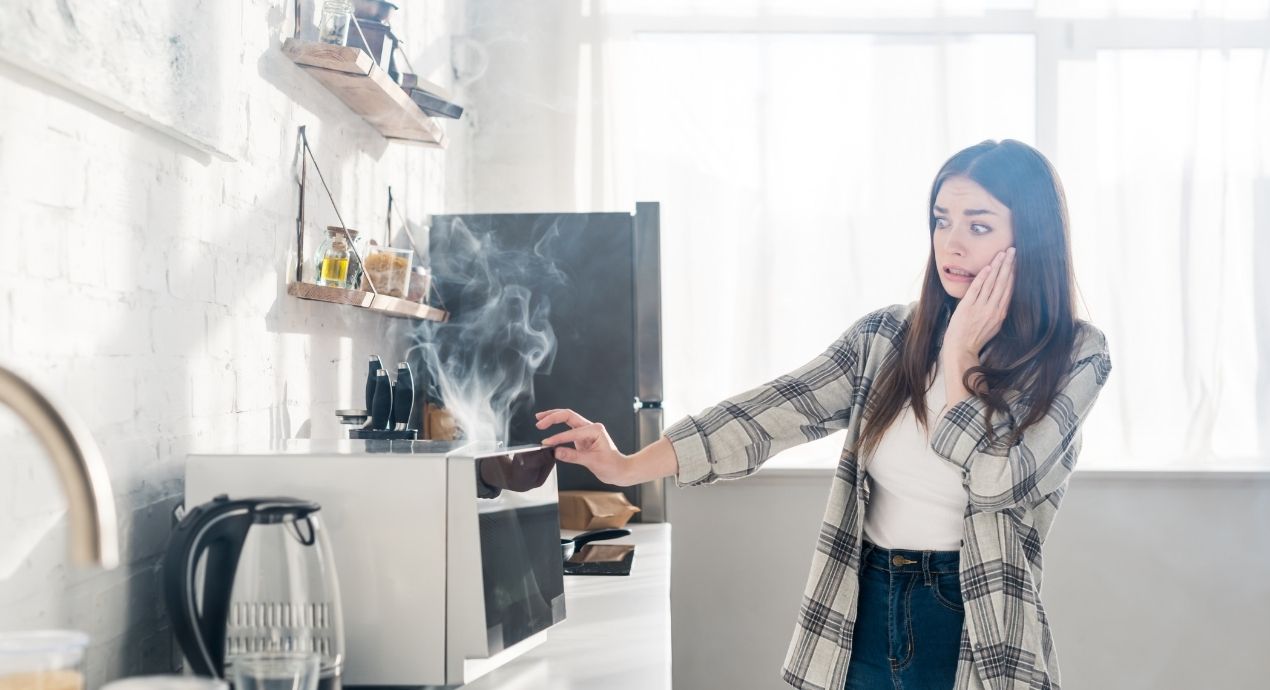
Your microwave is one of the hardest-working appliances in your kitchen, but even the most convenient tools come with limitations. Understanding what not to put in the microwave is essential for keeping your home safe and preserving the life of your appliance. People often assume that if something is quick to heat, it’s safe to heat, but that’s not always the case. If you’ve ever wondered what can go in the microwave or asked yourself if you can microwave glass, you’re not alone. This guide walks you through the everyday items you should avoid microwaving and why steering clear of them matters.
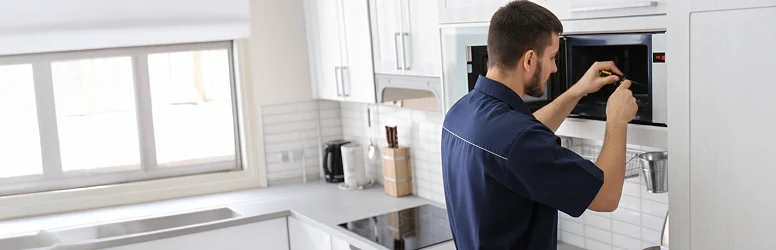
Microwaves heat food rapidly by energizing water molecules, but not all materials respond well to this process. Some can melt, catch fire, explode, or leach chemicals into your food. These reactions aren’t just inconvenient—they can pose real safety hazards, from smoke and odors to fires and appliance damage. Understanding what’s safe and what isn’t ensures you’re using your microwave the way it was designed to be used. It also helps you avoid unnecessary appliance repairs or replacements which is a cost every homeowner would prefer to avoid.
Below are the everyday items that should never go into your microwave. Many may look harmless, but their reactions inside the appliance can be dangerous.
Metal is at the top of the danger list. Whether it’s a spoon left in a bowl or a disposable aluminum container, metal reflects microwave energy. That reflection can lead to sparks, arcing, and even fires.
Avoid microwaving:
If you’re ever tempted to “just heat it quickly,” don’t. Transfer food to a microwave-safe dish first.
Not all paper is created equal. Standard brown paper bags can release toxins and may ignite when heated. Paper towels and microwave-safe parchment are typically fine, but newspapers or printed materials should also be avoided due to the ink.
Styrofoam is a form of polystyrene, which is not designed to withstand high heat unless specifically labeled microwave-safe. When heated, it can melt or release harmful chemicals into your food. If you’re unsure whether the container is safe, your best bet is to move your meal into microwave-safe glass or ceramic.
Many plastics warp or melt in the microwave, and some release chemicals when exposed to heat.
Avoid microwaving:
Even with microwave-safe plastic, it’s smart to avoid microwaving fatty or greasy foods, which can reach higher temperatures.
One of the most surprising items on the list is also one of the most explosive. Whole eggs with the shell on can burst because steam builds faster than it can escape. If you want a microwaved egg, crack it into a microwave-safe bowl and pierce the yolk before cooking.
Heating peppers, especially hot varieties, can release capsaicin into the air. When microwaved, that vapor becomes extremely concentrated and can irritate your eyes and throat when you open the door.
Most stainless-steel travel mugs are not microwave-safe because metal blocks heat from passing through. Even insulated plastic mugs may not be rated for the microwave and can melt. Always check the label before reheating your morning coffee.
Running a microwave empty is more dangerous than most people realize. With no food or liquid to absorb the energy, the appliance directs heat back into itself, which can damage the internal components and shorten its lifespan significantly.
With all these warnings, it’s fair to wonder what can go in the microwave without risk. Thankfully, plenty of everyday materials are perfectly safe.
Safe materials include microwave-safe glass, ceramics and plastics, and paper plates and paper towels that are plain with no prints on them. However, this brings up one of the most common questions homeowners ask: can you microwave glass?
In most cases, yes, you can microwave glass, but only if it’s marked as microwave-safe. Most modern glass storage containers and cookware are designed to handle microwave heating, but some types of decorative or antique glass may crack from thermal shock.
To microwave glass safely, look for the microwave-safe symbol. Avoid sudden temperature changes like putting cold glass straight into the microwave, and inspect for chips or cracks, which can worsen under heat. When in doubt, test your glassware by microwaving it empty next to a cup of water for one minute. If the glass stays cool, it’s safe. If it heats up, it shouldn’t be used.
To keep your microwave working effectively, and keep your home safe, consider these simple safety tips:
Knowing what not to put in the microwave is essential for every homeowner. From metal and Styrofoam to whole eggs and certain plastics, avoiding these common hazards helps keep your kitchen safe and your appliance running smoothly. And when questions arise like if you can microwave glass, understanding the basics of microwave-safe materials gives you the confidence to use your appliance wisely.
If you found this guide helpful, explore more expert home advice and protection options at Liberty Home Guard. We’re here to support you with trusted resources, home warranty solutions, and guidance for safer, smarter homeownership.
No, aluminum foil should not be used in the microwave. It reflects microwave energy, which can cause sparks, fires, and damage to the appliance.
Only plastic containers labeled microwave-safe should be microwaved. Other plastics can melt or release chemicals when heated, especially with greasy or fatty foods.
Yes, glass can be microwaved if it is marked microwave-safe. Avoid using cracked, chipped, or decorative glass, which may break from sudden heat changes.
Eggs explode because steam builds up inside the shell with no way to escape. This pressure causes the egg to burst when heated.
Yes, running a microwave empty can damage the internal components. Without food or liquid to absorb the energy, heat reflects back into the microwave and shortens its lifespan.
Stay Ahead of Potential
Home Mishaps!
Subscribe to our Liberty Home Guard Newsletter and gain access to exclusive content that ensures your peace of mind.

Subscribe to receive our emails & get
Have questions?
Call us: (833) 544-8273