



Contemplating coverage?
Subscribe to receive our emails & get
$200 OFF!
Have questions?
Call us: (833) 544-8273

Expert-Reviewed Content: Guided by Editorial Standards

Written By Erin Easley
Leaving a house empty during the winter, whether it’s a vacation home, rental property, or a home in transition, comes with real risks. Freezing temperatures, burst pipes, and unnoticed damage can turn a quiet season into an expensive headache. That’s why proper winterization is one of the most important steps homeowners can take before cold weather sets in.
In this guide, we’ll walk through how to winterize a house that will be vacant, explain why each step matters, and share practical tips to help you protect your property while you’re away. With the right preparation, winterization can give you peace of mind all season long.

Give buyers and sellers the best protection
at great prices!
Winterization is the process of preparing a home to withstand cold temperatures when it won’t be regularly occupied. Unlike homes that are lived in year-round, vacant properties don’t benefit from daily heat, water use, or routine checks.
For empty homes, winterization focuses on:
A thorough winterization plan helps ensure you return to a home that’s just as you left it.
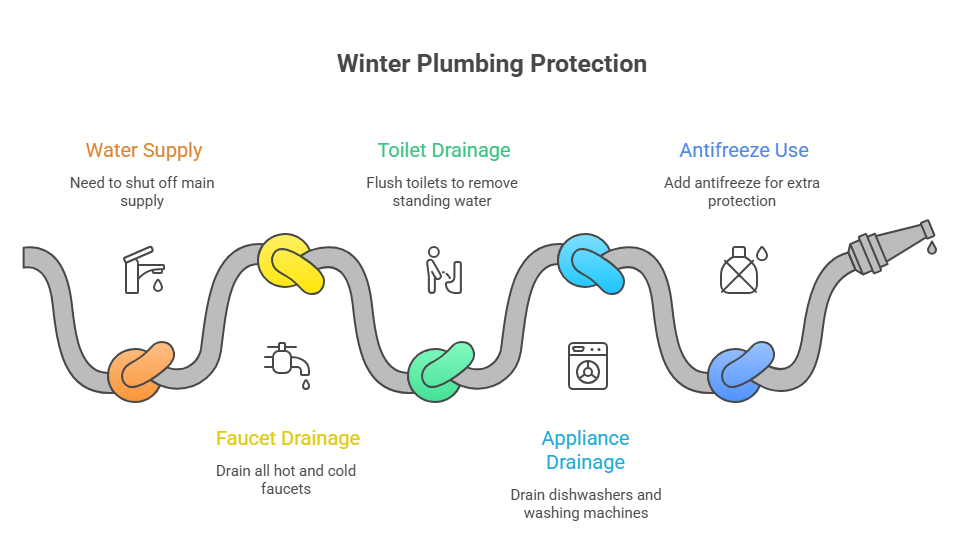
One of the most critical winterization steps is protecting your plumbing. Frozen pipes are among the most common and expensive winter problems for vacant homes.
To reduce risk:
In some cases, homeowners also add non-toxic antifreeze to drains and toilets for extra protection. This step is especially important in colder climates.
Exterior faucets, hoses, and irrigation systems are often overlooked during winterization. Make sure to disconnect and store garden hoses, shut off water to outdoor spigots, and drain sprinkler systems completely. Taking care of outdoor plumbing helps prevent hidden leaks that may go unnoticed for months.
Even when a home is empty, it’s usually safer to keep the heat on at a low level rather than shutting it off entirely. Maintaining a consistent indoor temperature helps prevent pipes from freezing inside walls and crawl spaces.
Many homeowners set thermostats between 50–55°F, depending on local conditions. Smart thermostats can be especially helpful, allowing you to monitor and adjust settings remotely.
Before winter arrives, schedule a professional inspection of your furnace or heating system. A quick tune-up ensures it runs efficiently and reduces the risk of breakdowns while the house is vacant. This proactive step is a small investment that supports your overall winterization strategy.
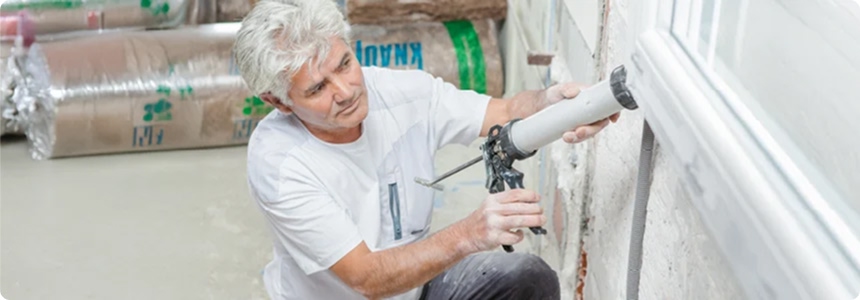
Drafts can cause cold spots inside your home, increasing the risk of freezing. As part of winterization, check for air leaks around windows and doors, attic access points, and basements and crawl spaces. Weatherstripping, caulk, and insulation upgrades can make a noticeable difference, even in older homes.
Empty homes are more susceptible to moisture issues because there’s no daily airflow from normal living activities. Consider using dehumidifiers in basements, moisture absorbers in closets, and proper ventilation where needed. Managing humidity helps prevent mold and musty odors during long periods of vacancy.
Appliances that won’t be used for months should be cleaned and unplugged. Leaving refrigerator and freezer doors slightly open can help prevent odors and mold. If your home has a water heater, consult a professional about whether it should be drained or set to vacation mode as part of your winterization plan.
Winterization isn’t only about temperature—it’s also about security. An empty home can attract unwanted attention. Before leaving, lock all windows and doors, consider timed lights or smart security systems, and ask a trusted neighbor to check in periodically. These steps help protect your home from both weather and security risks.
Clogged gutters can lead to ice dams and water damage during winter storms. Cleaning gutters before winterization helps ensure melting snow drains properly away from the home.
Trim tree branches near the house, store outdoor furniture, and inspect the roof for loose shingles. Exterior preparation supports the overall winterization process by reducing storm-related damage.
Some homeowners handle winterization themselves, while others prefer professional services, especially for vacant or remote properties. Hiring a professional can be helpful if the home is in a very cold climate, plumbing systems are complex, or you want documentation for insurance purposes. Professional winterization services often follow detailed checklists to ensure nothing is missed.
Proper winterization helps protect your home’s systems, structure, and value. Preventing just one major issue, like a burst pipe, can save thousands in repairs and restoration. It also reduces stress. Knowing your home is prepared allows you to focus on travel, work, or seasonal living without constant worry.
Winterization is one of the most responsible steps homeowners can take when leaving a house empty during cold months. From plumbing protection to heating management and moisture control, each step works together to safeguard your investment.
If you’re thinking beyond winter preparation and want year-round protection, Liberty Home Guard is here to help. Explore our expert resources on homeownership, maintenance tips, and home warranty coverage designed to support you long after winter ends. Trust Liberty Home Guard to help protect what matters most—your home.
Manage your client base and home warranty information
with our Real Estate Portal:
To winterize a house, start by shutting off and draining the water supply to prevent frozen pipes. Set the thermostat to a safe low temperature, insulate exposed plumbing, seal air leaks around doors and windows, clean gutters, and unplug unused appliances. For vacant homes, adding antifreeze to drains and arranging periodic property checks are also recommended.
Insulate pipes by wrapping exposed plumbing with foam pipe sleeves, heat tape, or fiberglass insulation. Focus on pipes in basements, crawl spaces, garages, and exterior walls. Securing insulation tightly helps retain warmth and reduces the risk of freezing during cold temperatures.
Check around windows, doors, attic hatches, basements, and crawl spaces for air leaks. Apply weatherstripping, caulk gaps, and add door sweeps where needed. Proper draft prevention keeps cold air out, maintains consistent indoor temperatures, and protects plumbing from freezing.
Schedule a professional inspection before winter to ensure the system runs safely and efficiently. Replace air filters, test the thermostat, and confirm vents are unobstructed. For vacant homes, set the thermostat between 50–55°F or use a smart thermostat to monitor temperatures remotely.
Essential safety tasks include draining water lines, insulating pipes, maintaining low indoor heat, sealing drafts, clearing gutters, trimming tree branches near the home, and securing doors and windows. These steps help prevent water damage, mold growth, fire hazards, and storm-related issues during winter.
Stay Ahead of Potential
Home Mishaps!
Subscribe to our Liberty Home Guard Newsletter and gain access to exclusive content that ensures your peace of mind.

Subscribe to receive our emails & get
Have questions?
Call us: (833) 544-8273