




Contemplating coverage?
Subscribe to receive our emails & get
$200 OFF!
Have questions?
Call us: (833) 544-8273

Expert-Reviewed Content: Guided by Editorial Standards

Written By Ryan Merchant
Gas stoves and ovens undergo a lot of wear and tear from everyday use. Quality appliances are built to last, but frequent exposure to high temperatures means even the most reliable appliances require regular maintenance.
There are some telltale warning signs that suggest when gas appliance repair service or maintenance is required. This article will review what you should watch out for.
The noxious odor of gas is, of course, an obvious sign that something is wrong. Ensuring gas appliance safety is crucial; a gas leak is a hazardous situation that requires immediate attention.
One of the most common symptoms of a bad gas stove regulator is the persistent smell of gas, which could suggest a faulty igniter, broken gas line, or faulty valve. If you smell gas only when you turn the appliance on and notice the stove or oven doesn’t create a flame, then the igniter is probably faulty. If you smell gas when you’re sure the appliance is off, a bad gas line or valve is the likely problem.
Most gas appliances have a shut-off valve at the rear of the unit. Turn the valve to cut the gas from the source. If the odor persists, there’s a more serious problem with the gas line infrastructure in your home. Shut off the gas to your home at the main house-side valve and contact your gas company immediately. Your utility company will inform you of the next steps for gas repair.
Be alert to unusual smells, as they may indicate issues that could lead to carbon monoxide exposure, a serious health risk. Acrid odors or the persistent smell of something burning could mean your stove or oven needs to be cleaned, or an internal wire or other part needs to be replaced.
Unreliable ignition is another clear sign that you may need to contact a professional gas appliance repair service. Professional gas appliance repairs are essential when dealing with ignition issues, as these problems can indicate serious safety concerns. If you can smell gas but can’t spark a flame on any burner, your igniter has failed. Resist the impulse to light the burner with a match or lighter.
In 2025, most modern gas stoves repair procedures focus on electronic ignition systems rather than pilot lights. An extinguished pilot light is another possibility, but newer gas ovens and stoves tend to use an electrical means of ignition.
Unusual noises are often a precursor to a more serious problem. Strange ticking, rattling, or buzzing is usually the result of a loose or deteriorating component. Regular gas cooker maintenance can help identify these issues before they become major problems.
Inefficient gas appliances can lead to unpredictable heat control and increased energy bills; maintaining efficiency is key. When troubleshooting gas appliance issues, note if your oven takes progressively longer to preheat, or a stove that you need to crank higher to get the same amount of heat that you were accustomed to generating at a lower setting on the knob. A key aspect of gas cooker maintenance is ensuring proper temperature calibration. Modern gas appliances in 2025 come with advanced temperature control systems, but these can still require periodic adjustment and maintenance.
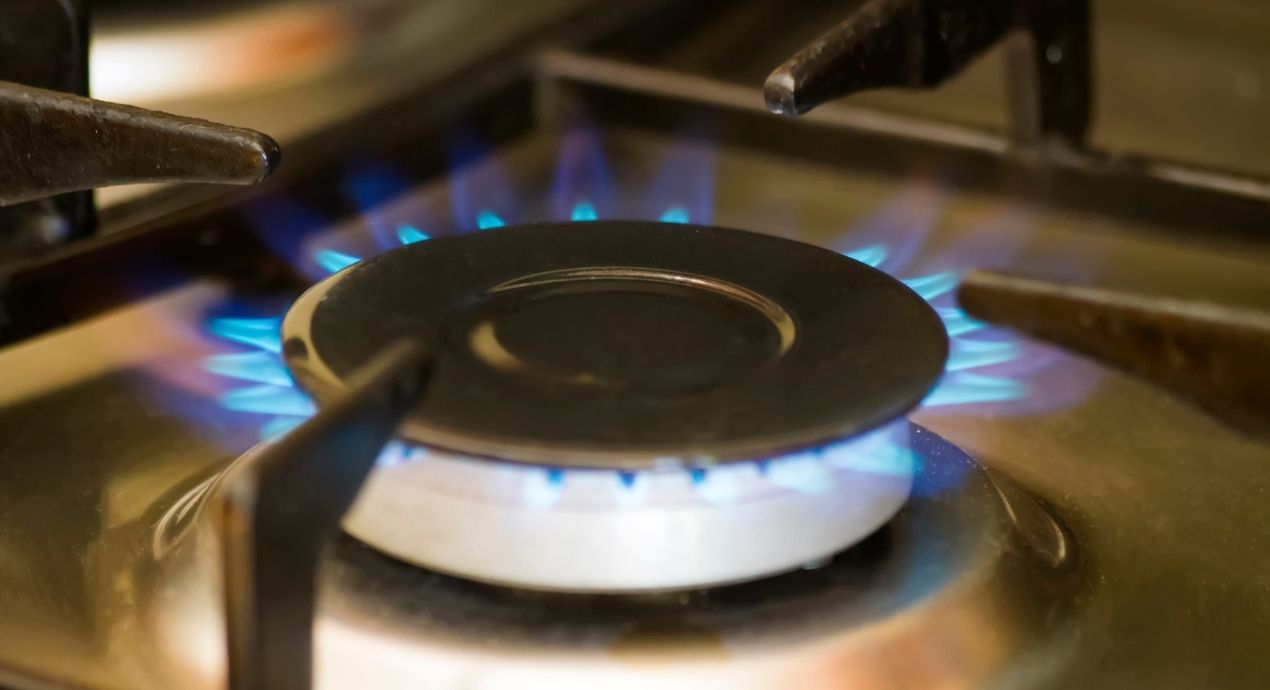
Think of the flame on your gas stove as an indicator light. A clean, well-maintained stove should generate a blue flame. A red, orange, or yellow flame could suggest the flame is not burning hot enough. There could also be a buildup of material on the burner or somewhere within the appliance.
| Indicator | Normal Behavior | Problematic Behavior |
|---|---|---|
| Flame Color | Blue with small yellow tips | Yellow, orange, or red flames |
| Sounds | Quiet operation, soft whoosh when igniting | Ticking, rattling, buzzing, or popping |
| Smell | No odor during normal operation | Persistent gas smell, burning odors |
| Ignition | Immediate, consistent flame | Delayed ignition, clicking without flame |
| Heat Output | Consistent, predictable temperature | Uneven heating, longer preheat times |
If you detect a gas odor in your home, follow these emergency steps immediately:
Requirements vary by location, but technicians generally need to be licensed and certified to work on gas appliances. Certification requirements typically include training through organizations such as the National Fuel Gas Code (NFPA 54) standards or state-specific licensing boards.
An improperly serviced gas appliance can pose a significant danger. According to the National Fire Protection Association (NFPA),gas-fueled equipment is involved in an average of 4,200 home fires per year in the United States. If your appliance develops a problem, take care to do more than a cursory internet search, such as "gas repairs near me." You’ll need to do your due diligence and find a licensed professional.
You can treat the warning signs outlined above as a gas appliance services checklist. Periodically check for odors, noises, faulty burners, temperature irregularities, and off flame colors. If you notice anything amiss, a home warranty can facilitate the repair of your appliance.
Liberty Home Guard policies cover all mechanical parts of ovens, stoves, cooktops, and ranges. If anything breaks down, all you need to do is submit a service claim. We’ll handle the rest.
Learn more about our plans by calling (866)-440-1399.
Turn off the shut-off valve at the rear of the appliance immediately. If the odor persists, shut off the gas at the main house-side valve and contact your gas company right away.
A red, orange, or yellow flame suggests the burner isn't burning hot enough or there's a buildup of material on the burner or within the appliance. A properly functioning gas stove should produce a blue flame.
If your oven takes progressively longer to preheat or requires higher settings to achieve the same heat, it indicates poor temperature control and inefficiency that requires professional attention.
Strange ticking, rattling, or buzzing sounds usually result from a loose or deteriorating component and often signal a more serious problem developing.
No, you should resist the impulse to light the burner with a match or lighter if you smell gas but can't spark a flame. Contact a professional gas appliance repair service instead.
Technicians generally need to be licensed and certified to work on gas appliances, with many states implementing stricter requirements and additional safety certifications as of 2026.
Liberty Home Guard policies cover all mechanical parts of ovens, stoves, cooktops, and ranges. If anything breaks down, you simply submit a service claim and Liberty Home Guard handles the rest.
Stay Ahead of Potential
Home Mishaps!
Subscribe to our Liberty Home Guard Newsletter and gain access to exclusive content that ensures your peace of mind.

Subscribe to receive our emails & get
Have questions?
Call us: (833) 544-8273