


Contemplating coverage?
Subscribe to receive our emails & get
$200 OFF!
Have questions?
Call us: (833) 544-8273

Expert-Reviewed Content: Guided by Editorial Standards

Written By Angel Vallejo
What to Expect From Costs, Timeline to Rebates
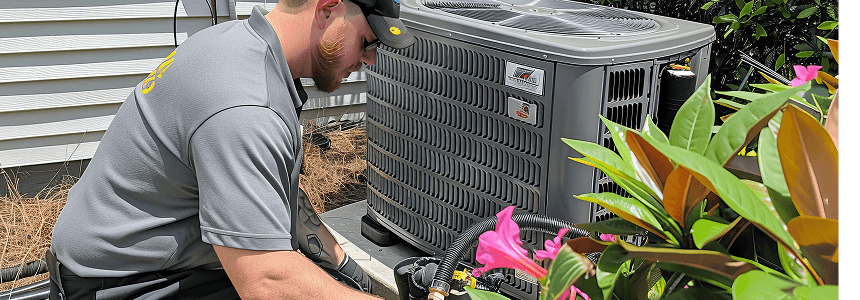
For most homeowners, HVAC replacement isn’t something you think about until there’s a problem, usually during the hottest or coldest week of the year. Whether your system is struggling to keep up, driving up energy bills, or breaking down more often, knowing when to replace it and what to expect can save you time, stress, and money.
In this guide, we’ll walk through the most common signs you need a new HVAC system, what replacement typically costs, how long the process takes, and how rebates and warranties can help offset the expense.
No HVAC system lasts forever. Most systems have a lifespan of 10 to 15 years, depending on usage, maintenance, and climate. If your system is nearing that range, it may be time to start planning.
Here are the biggest red flags homeowners should watch for:
If your heating or cooling costs rise each year despite consistent usage, your system may be losing efficiency. Older units work harder to maintain the same comfort level, increasing monthly expenses.
The occasional repair is normal, but constant service calls are not. If repair costs are stacking up, or one repair leads to another, HVAC replacement may be more cost-effective than patching an aging system.
Hot and cold spots can indicate failing components, airflow issues, or a system that’s no longer sized correctly for your home.
Grinding, rattling, or banging noises often signal internal wear. Musty or burning smells can point to electrical or mold issues that shouldn’t be ignored.
Older air conditioners may rely on phased-out refrigerants that are expensive or difficult to source, making future repairs costly.
One of the biggest questions homeowners ask is about the cost of replacing a HVAC system—and the answer depends on several factors.
The total HVAC replacement cost is influenced by:
On average, the cost to replace a HVAC system can range from $5,000 to $12,000, though high-efficiency or complex installations may cost more.
Not every situation requires replacing the entire system. Sometimes, homeowners only need to address cooling.
If your furnace is still in good condition, replacing just the air conditioner may make sense. Typical AC replacement cost ranges from $3,000 to $7,000, depending on unit size and efficiency.
However, mismatched systems can reduce efficiency. In many cases, contractors recommend replacing both components at the same time to ensure optimal performance and long-term savings.
Different systems come with different price points. Here’s a general breakdown:
Understanding your options helps you weigh upfront expenses against ongoing energy savings.
Homeowners are often surprised by how quickly an HVAC replacement can be completed.
If ductwork needs repairs or replacement, the project may take slightly longer. Spring and fall are ideal seasons for HVAC replacement. Demand is lower, scheduling is easier, and you’re less likely to face emergency pricing.
While HVAC replacement costs can feel overwhelming, rebates and incentives can significantly reduce your out-of-pocket expense.
High-efficiency systems often qualify for the largest incentives, making them a smart long-term investment.
A common rule of thumb: If a repair costs 50% or more of the cost to replace an HVAC system, replacement is usually the better option, especially if your system is over 10 years old.
Replacement offers:
Even brand-new systems can experience unexpected issues. That’s where a home warranty comes in.
Liberty Home Guard helps homeowners protect essential systems and appliances, offering peace of mind after major upgrades like HVAC replacement. Coverage can help manage repair costs and reduce the financial stress of homeownership.
HVAC replacement doesn’t have to be a last-minute emergency. Recognizing the signs early, understanding replacement costs, and exploring rebates can help you make confident, informed decisions.
If you’re thinking about replacing your system, or want to protect it after installation, explore more homeownership resources from Liberty Home Guard. Our experts are here to help you plan smarter, protect your investment, and stay comfortable year-round.
There’s a reason Liberty Home Guard was rated the #1 Home Warranty
Service by U.S. News and World Report for 2021, 2022, 2023, and 2024. Check out our services.
Common signs include rising energy bills despite normal usage, frequent and costly repairs, uneven temperatures throughout your home, unusual noises like grinding or rattling, and strange odors such as burning or musty smells. Additionally, if your system is over 10–15 years old or uses outdated refrigerant, it may be time to consider replacement.
The cost to replace an HVAC system typically ranges from $5,000 to $12,000, depending on factors like system type, efficiency rating, and installation complexity. If only the air conditioner needs replacement, costs are usually lower, ranging from $3,000 to $7,000.
The full HVAC replacement process can take anywhere from a few days to about a week. Initial inspection and quotes usually take 1–2 days, equipment ordering can take 1–7 days, and installation is typically completed within 1–3 days, depending on the project scope.
Several factors influence HVAC replacement costs, including the size and layout of your home, the type of system you choose (such as central air, heat pump, or ductless system),efficiency ratings (like SEER or AFUE),the condition of existing ductwork, and local labor rates.
To prepare for HVAC replacement, homeowners should ensure clear access to installation areas, schedule the project during off-peak seasons like spring or fall for better availability, and plan ahead by reviewing quotes, timelines, and potential rebates. Understanding your system options and budget can also help streamline the process. Regular HVAC maintenance can also help extend the average life of a furnace and other components. For more guidance, review these furnace repair replacement tips for homeowners.
Stay Ahead of Potential
Home Mishaps!
Subscribe to our Liberty Home Guard Newsletter and gain access to exclusive content that ensures your peace of mind.

Subscribe to receive our emails & get
Have questions?
Call us: (833) 544-8273