
Contemplating coverage?
Subscribe to receive our emails & get
$200 OFF!
Have questions?
Call us: (833) 544-8273


Expert-Reviewed Content: Guided by Editorial Standards

Written By Rachel Cherem
The arrival of wintry weather across America brings with it a host of worries, the least of which is how to protect your home from the plunging temperatures outside. Home plumbing systems are especially vulnerable to cold snaps, and failing to take measures to keep your plumbing from freezing can result in burst pipes and other problems. Here’s how to help your plumbing system withstand the worst of winter.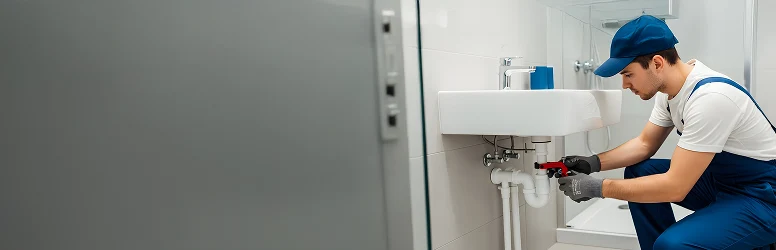
Cold winter weather affects a plumbing system in two primary ways. It can cause water within the system to freeze, and it makes pipes, fittings, and other material components more brittle and inflexible. Frozen and brittle pipes pose a problem for several reasons.
Note that the likelihood and severity of these problems are dependent on several contributing factors. These can include:
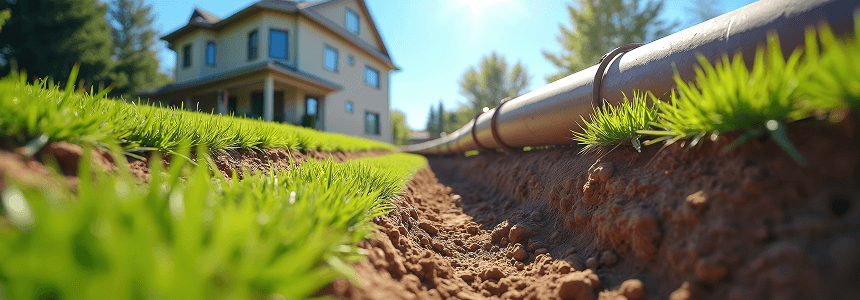
Not all segments of a residential plumbing system face the same risk of freezing in cold weather. Generally, pipes safely within the home’s interior are less likely to freeze. Here are the parts of your plumbing system that you need to worry about.
There are a few methods of keeping pipes warm all winter long. Depending on the pipe’s location or the average intensity of cold weather in your area, you may need to use more than one method.
If winter’s chill gets the better of you, you’ll have to quickly manage the clean-up and plumbing fixes that follow from a burst pipe. You may be left asking: are frozen pipes covered by insurance?
Homeowner’s insurance is unlikely to cover the cost of repairing the broken pipe, but it may pay out a claim to repair the damage that results from the burst. This is not a guarantee, however. It depends on the nature of your policy, and many insurers will reject a claim if they determine the accident resulted from homeowner negligence.
Home warranty coverage may be a different story. A home warranty with plumbing coverage may cover part of the cost to repair a damaged or leaky pipe, but it is unlikely to cover any of the secondary damage that results from a leak.
To save yourself a mad scramble when temperatures suddenly plunge, you can get ahead of any winter-related plumbing issues by following a simple winter maintenance checklist at the beginning of the season. Here are some essential winter plumbing maintenance tasks to include.
Despite all manner of responsible maintenance, malfunctions in and around the home are bound to arise. You can more effectively budget for these welcome surprises by investing in comprehensive home warranty protection. Discover more about Liberty Home Guard’s unparalleled plumbing coverage by calling (833)-545-6630.
There’s a reason Liberty Home Guard was rated the #1 Home Warranty Service by U.S. News and World Report for 2021, 2022, 2023, and 2024. Check out our services.
Learn MoreIt’s wise to shut off your outdoor water supply, especially if you live in an area prone to below-freezing temperatures. Opening or closing the valve is usually simple, so you can simply reopen the valve if you have a reason to use an outdoor tap in the middle of winter.
If your pipes have frozen, you will likely notice a change in water pressure or flow at the tap. Water may come out as a trickle, or it may not come out at all. If you can access the pipe, you might see a coating of frost or ice, and the pipe will likely be cold to the touch.
If you don’t see signs of a leak, it’s possible that the pipe has frozen but not burst. Be careful though, as the pipe may still burst when it begins to thaw.
Homeowner’s insurance rarely covers repairs to a frozen or burst pipe. Some policies may cover the cost of repairing damage that results from the burst, however.
It’s best to keep your thermostat set to at least 55°F to prevent frozen pipes. Some pipes may still be vulnerable, however, if they run outside or in unheated parts of the house.
Home warranties often cover home plumbing systems, but they’re not typically tools for home emergencies. You should have a plan that outlines how to shut off your home’s water in the event of a plumbing emergency. In the days that follow, your home warranty policy may be able to help you assess the problem and repair or replace any system components that are covered by the policy.
Stay Ahead of Potential
Home Mishaps!
Subscribe to our Liberty Home Guard Newsletter and gain access to exclusive content that ensures your peace of mind.

Subscribe to receive our emails & get
Have questions?
Call us: (833) 544-8273