


Contemplating coverage?
Subscribe to receive our emails & get
$200 OFF!
Have questions?
Call us: (833) 544-8273

Expert-Reviewed Content: Guided by Editorial Standards

Written By Angel Vallejo
What to Do When There’s No Hot Water, It’s Lukewarm, or It Runs Out Fast
Few home issues are as disruptive as a hot water heater not working. Whether you’re stepping into a cold shower, dealing with lukewarm water, or running out of hot water far too quickly, the problem can throw off your entire day. The good news? Many common water heater issues have clear warning signs and some have straightforward solutions.
This troubleshooting checklist is designed to help homeowners understand what’s going wrong, what steps to take next, and when it’s time to call in a professional.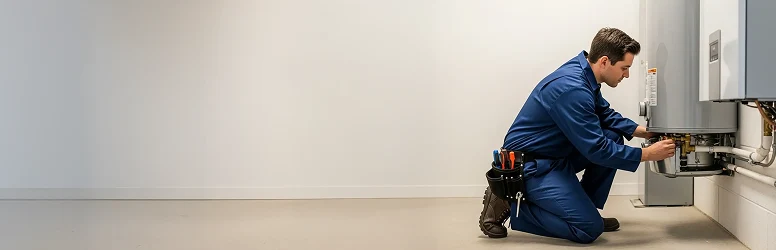
Before diving into fixes, take a moment to pinpoint what’s happening. Most water heater problems fall into one of these categories:
Once you identify the symptom, you can narrow down the cause more easily.
If your water heater not working means zero hot water, start with the basics.
For gas units:
If power or gas is interrupted, the system won’t heat water, no matter how new it is.
For gas water heaters, a pilot light out situation is one of the most common reasons there’s no hot water.
Relighting instructions are usually printed on the tank. If the pilot light out issue keeps coming back, professional service is recommended for safety reasons.
If your shower never quite heats up, but you’re not completely without hot water, the issue may be related to temperature settings or worn components.
Over time, mineral deposits settle at the bottom of the tank, insulating the heating source and reducing efficiency.
Running out of hot water halfway through normal use is frustrating, and often preventable.
If your household has grown or usage habits have changed, your current system may no longer meet your needs, even if the water heater itself isn’t fully broken.
Sometimes the fix really is that simple. Many electric water heaters have a built-in safety feature that shuts the system down if it overheats.
If you need to reset water heater controls frequently, that’s a sign of a deeper issue, often related to heating elements or thermostats.
Inconsistent hot water can feel unpredictable, but there are usually clear explanations.
Look into:
When a hot water heater is working intermittently, it often signals parts wearing out rather than a single sudden failure.
While some checks are homeowner-friendly, others require professional tools and expertise. It’s time to call a technician if:
Attempting complex repairs without training can be unsafe and may void warranties.
Routine maintenance can help prevent many of the issues that cause a water heater to not work.
Proactive care can extend the life of your water heater and improve efficiency.
Not every issue means replacement is necessary, but sometimes it’s the smarter choice.
Consider replacement if:
A professional can help evaluate whether repair or replacement makes the most financial sense.
Unexpected breakdowns can be stressful, especially when they affect daily essentials like hot water. A home warranty can help cover eligible repairs or replacements, reducing out-of-pocket costs and uncertainty.
Liberty Home Guard supports homeowners by helping manage the cost of maintaining critical systems like water heaters, so small problems don’t turn into major disruptions.
A hot water heater rarely fails without warning. Lukewarm water, frequent resets, or a pilot light out are all signs your system needs attention. Acting early can help you avoid emergency repairs and extended downtime.
For more expert home maintenance advice, system troubleshooting guides, and protection options, explore additional resources from Liberty Home Guard. When it comes to homeownership, having trusted expertise on your side makes all the difference.
There’s a reason Liberty Home Guard was rated the #1 Home Warranty Service by U.S. News and World Report for 2021, 2022, 2023, and 2024. Check out our services.
Learn MoreTo check the pilot light, locate the viewing window near the bottom of your gas water heater. You should see a small steady flame. If there’s no flame, the pilot light may be out. Common causes include drafts, a faulty thermocouple, or a dirty burner. Follow the relighting instructions printed on the unit, but if the pilot light won’t stay lit, it’s best to call a professional for safety.
If your water heater is leaking, first inspect where the leak is coming from. Small leaks may come from loose connections or valves, while larger leaks could indicate tank failure. Turn off the power or gas supply and shut off the water to prevent further damage. Visible leaks around the tank are a clear sign it’s time to contact a technician, as this often requires repair or replacement.
To reset an electric water heater, turn off power at the breaker, remove the access panel, and press the red reset button. Then restore power and wait 30–60 minutes for the water to heat. If you find yourself needing to reset the unit frequently, it usually indicates a deeper issue with the thermostat or heating elements.
Routine maintenance helps prevent many common issues. Flush the tank annually to remove sediment buildup, check that the thermostat is set to around 120°F, inspect the unit for leaks or corrosion, and schedule professional servicing when needed. Regular upkeep improves efficiency and extends the system’s lifespan.
You should consider replacing your water heater if repair costs exceed about 50% of the cost of a new unit, the system is more than 10–12 years old, or your household’s hot water demand has outgrown the current tank. A professional can help determine the most cost-effective option.
Stay Ahead of Potential
Home Mishaps!
Subscribe to our Liberty Home Guard Newsletter and gain access to exclusive content that ensures your peace of mind.

Subscribe to receive our emails & get
Have questions?
Call us: (833) 544-8273