


Contemplating coverage?
Subscribe to receive our emails & get
$200 OFF!
Have questions?
Call us: (833) 544-8273

Expert-Reviewed Content: Guided by Editorial Standards

Written By Clint Bird
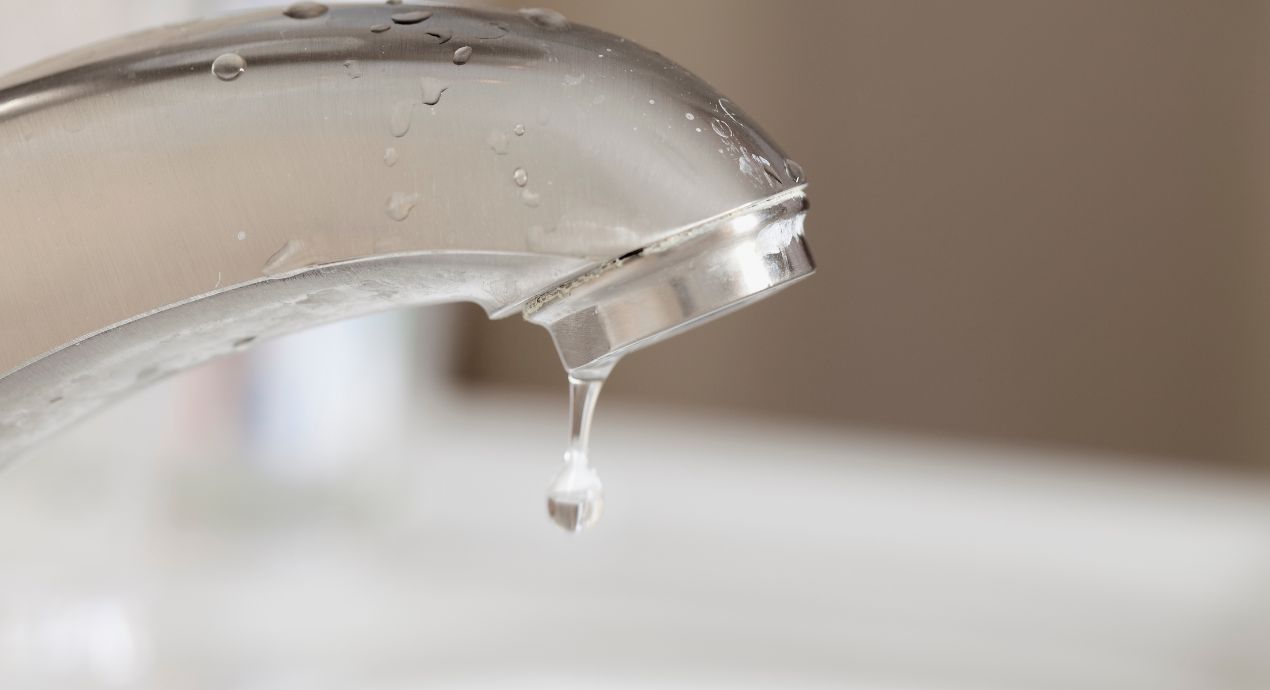
A leaking faucet is one of the most common problems that homeowners encounter, but it being commonplace doesn’t make it any less annoying. According to the EPA, a leaky faucet that drips at the rate of one drip per second can waste more than 3,000 gallons per year—enough water to take over 180 showers per year. The constant drip drip drip of a leaking bathtub faucet, showerhead, or sink tap can disturb your home’s serenity. Left neglected, a dripping faucet can also result in higher water bills and discoloration or mold growth in your sink or plumbing fixtures.
Fortunately, you don’t have to be a trained plumber to know how to stop a dripping faucet. With some basic tools, replacement parts, and a little patience, leaky faucet repair is a breeze. In this article, we’ll explain what causes dripping faucets and how you can fix them.
Kitchen and bathroom faucets come in all manner of designs, but most involve some combination of valves, O-rings, seals, and washers. The O-ring is usually the weakest link, but any one of these pieces can wear down over time. Heat, moisture, temperature fluctuations, minerals, mold, and movement can contribute to warping and corrosion, breaking the watertight seal. This just comes with the territory of being a homeowner. Everything is always subject to wear and tear, and some component parts of your appliances and fixtures need to be replaced on occasion. At least replacement O-rings are cheap!
More rarely, dripping faucets can be a symptom of excessively high water pressure. Were this the case in your home, you would probably notice that the leak is not isolated to one faucet. Water pressure issues are harder to resolve on your own. We recommend contacting a professional plumber if you suspect your water pressure is too high.
Understanding your faucet type helps you identify the correct repair approach:
Bathroom or kitchen faucet repair will require a few common tools. Here’s what you’ll need:
Of course, you’ll also need some replacement parts, but you probably won’t know which piece needs to be replaced until after you have disassembled your faucet. Necessary parts also vary across faucet types.
Once you’ve gathered the tools for the job, follow these steps.
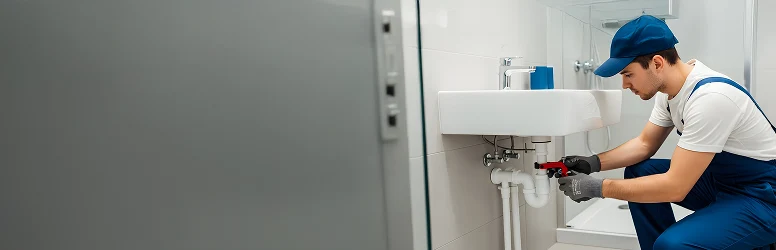
Before you do anything, you need to turn off the water to keep from drenching your kitchen or bathroom. You should find a valve under the sink and against the wall. Once you’ve turned this valve, try turning the faucet on to confirm that the water source has been cut off.
If you can’t locate your local valve for the faucet you’re working on, you can always shut off the water to the house at the main valve. Of course, this will prohibit anyone from using the sinks, showers, or toilets while you’re working on the faucet that’s giving you trouble.
You’ll be disassembling the faucet and removing some small bits of hardware. Plug the drain with a stopper or rag to avoid the possibility of a small screw falling into your P-trap.
There are several varieties of kitchen and bathroom faucets, each with its own manner of assembly. For detailed instructions on how to disassemble your faucet, you can refer to the fixture’s manual or contact the manufacturer. If you know whether you have a ball, disc, cartridge, or compression faucet, you can find detailed schematics online.
In general, you need to begin by removing the faucet handles. You might notice a small screw that you’ll need to remove with a screwdriver or Allen wrench. If you don’t see any visible securing hardware, it’s likely hidden under a decorative cap that can be unscrewed or popped off with flathead screwdriver.
Remove each piece methodically, consulting a schematic when necessary. Take notes or arrange the pieces in such a way to make it easier to correctly reassemble the faucet later.
Once you’ve removed the handles and securing hardware, you should be able to remove the valve cartridge or stem. Some cartridges will slide right out. Other faucet models will require you to loosen a nut with a pipe wrench before you can remove the valve stem.
With the cartridge or stem removed, inspect the component parts. Check the rubber O-rings for wear and tear. Also examine the seat washer for corrosion or other damage. These pieces are usually the responsible parties for a dripping faucet, but it’s worth inspecting the other component parts while you have the faucet disassembled.
Once you’ve identified which faucet component has failed, find an identical replacement. Your local hardware store should have O-rings, seat washers, and other standard components in stock. If you have a luxury or uncommon faucet, you may have to contact the manufacturer for a replacement part.
It’s a good idea to take your old parts with you to the hardware store so you can compare them with the store’s inventory and be sure you’re purchasing the correct replacement.
With your new parts in hand, reconstruct the faucet and handles. Don’t be tempted to overtighten screws or nuts. You might think this could create a better seal, but it can instead damage or bend a delicate part of the assembly and create a new problem for you.
The only thing left to do is test your work. Unplug the sink, turn the water back on, and try the faucet. Congratulate yourself on a job well done!
A dripping faucet is easy enough to take care of yourself, but other home plumbing problems require the help of a professional. Consider warranty coverage to insure yourself against surprise repair costs. Liberty Home Guard’s standard policies include robust plumbing coverage, and you can supplement your plan with protection for your faucet filters, showerheads, shower arms, and cartridges. Use our website for a free quote or call (866)-432-1283.
There’s a reason Liberty Home Guard was rated the #1 Home Warranty Service by U.S. News and World Report for 2021, 2022, 2023, and 2024. Check out our services.The Best Home Warranty Service
Most faucet leaks are caused by worn O-rings, damaged washers, or corroded valve seats that break the watertight seal inside the faucet. Heat, moisture, temperature fluctuations, and mineral buildup all contribute to this wear over time.
According to the EPA, a faucet that drips once per second can waste more than 3,000 gallons of water per year, which is enough for over 180 showers annually.
The four main faucet types are ball, disc, cartridge, and compression faucets. Each uses different internal components to control water flow, so the repair approach varies by type.
You will need a pipe wrench or monkey wrench, an Allen wrench set, flathead and Phillips screwdrivers, and an old towel or rag. Replacement parts such as O-rings or washers are also required, but you may not know exactly which parts until after disassembly.
Yes, most faucet leaks are manageable DIY repairs that require only basic tools and inexpensive replacement parts. The process involves shutting off the water, disassembling the faucet, replacing the worn component, and reassembling.
Stay Ahead of Potential
Home Mishaps!
Subscribe to our Liberty Home Guard Newsletter and gain access to exclusive content that ensures your peace of mind.

Subscribe to receive our emails & get
Have questions?
Call us: (833) 544-8273