



Contemplating coverage?
Subscribe to receive our emails & get
$300 OFF!
Have questions?
Call us: (833) 544-8273


Expert-Reviewed Content: Guided by Editorial Standards

Written By Angel Vallejo
If you’ve ever been blindsided by a plumbing leak, a furnace that quit mid-winter, or a roof repair you definitely didn’t see coming, you already know the feeling: that sinking combination of stress and sticker shock that comes with owning an older home. And it’s far from rare, according to the Urban Institute, 35.8% of occupied housing units needed at least one repair, with average repair costs reaching $2,920 per household with repair needs. The good news? You’re not alone, and you don’t have to be caught off guard again.
Home repair costs are one of the most common financial stressors for homeowners, but they’re also one of the most manageable, with the right information and a little planning. Whether you’re trying to figure out how much to budget for home maintenance or you just want a clearer picture of what repairs typically cost, this guide breaks it all down in plain language.
There’s a reason Liberty Home Guard was rated the #1 Home Warranty Service by U.S. News and World Report for 2021, 2022, 2023, 2024, and 2026. Check out our services.
Learn MoreBefore we get into numbers, it helps to understand the difference between three things that often get lumped together:
Home maintenance is the regular upkeep that keeps your home running the way it should, things like changing HVAC filters, cleaning gutters, caulking windows, and flushing your water heater. These are routine, relatively affordable tasks that prevent bigger problems down the road.
Home repairs happen when something breaks or stops working. A leaky pipe, a broken garage door spring, a water heater that’s given up the ghost, these aren’t planned, and they tend to cost more than routine maintenance.
Home improvements are upgrades or renovations you choose to make: a new kitchen, a bathroom remodel, adding a deck. These are largely optional and separate from what you need to keep your home functional.
For the purposes of budgeting, it’s important to keep all three in mind, but repairs and maintenance are where most homeowners feel the biggest pinch, especially in homes that are 10, 20, or 30+ years old.
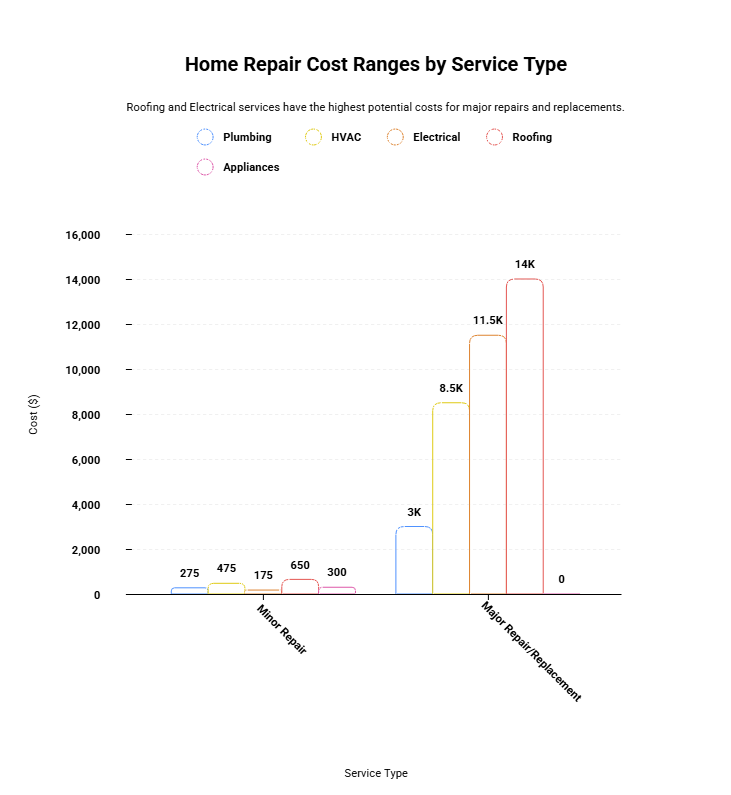
Knowing the average cost of home repairs can help you plan ahead instead of scrambling when something goes wrong. Here’s a practical home repair costs list with general estimates for 2026:
Plumbing
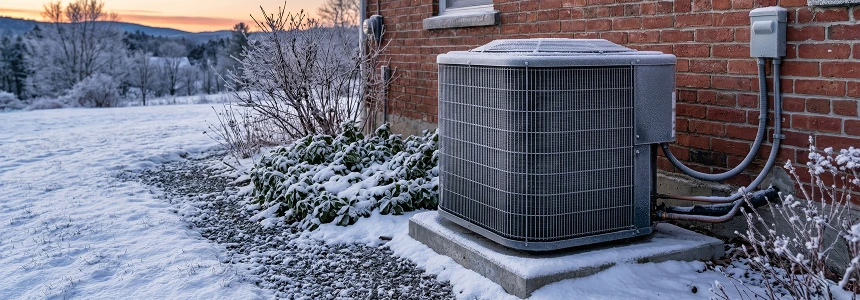
HVAC
Electrical
Roofing
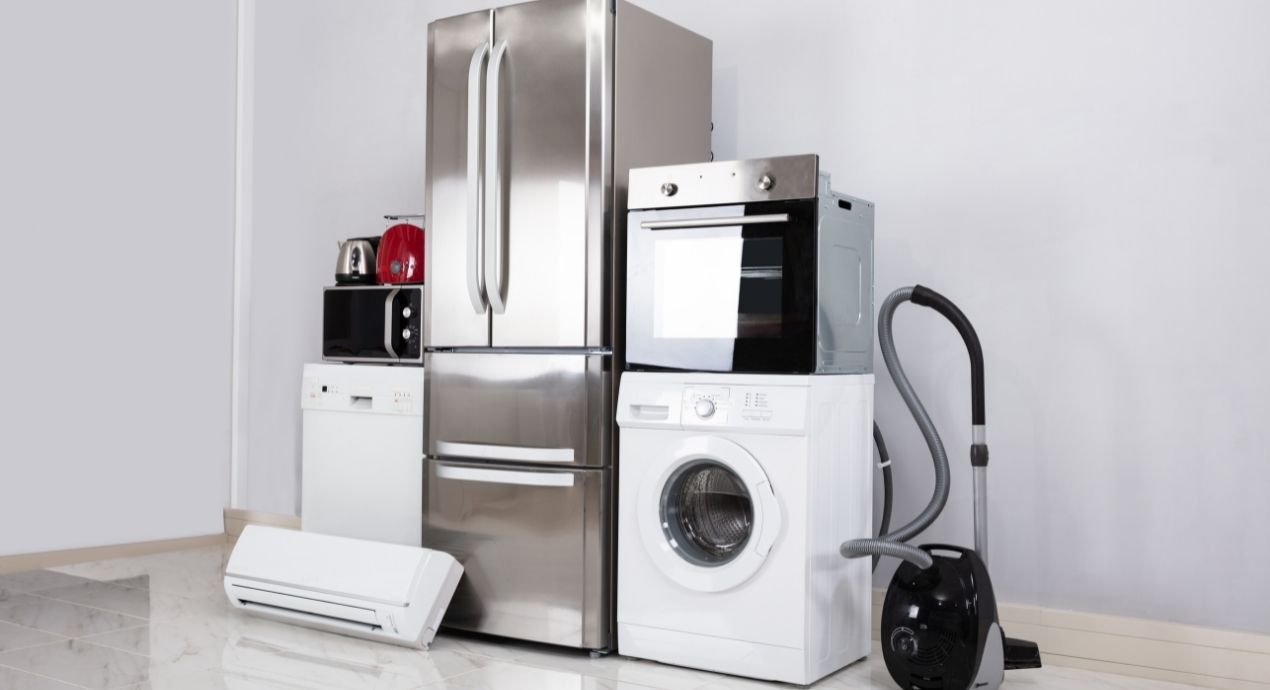
Appliances
For a deeper look at appliance repair costs specifically, this breakdown of average appliance repair costs is a helpful reference to bookmark.
Keep in mind that these are general ranges, your actual costs will vary based on a few key factors.
Two homeowners can have the same repair done and pay very different prices. Here’s what typically drives those differences:
Age of the home. Older homes often have outdated systems, older wiring, aging pipes, or appliances that are harder to find parts for. Repairs can be more complicated and more expensive as a result. If you own an older property, this guide to home warranties for older homes is worth a read.
Location. Labor costs vary significantly depending on where you live. A plumber in a high cost-of-living city will generally charge more per hour than one in a rural area.
Severity of the issue. A small roof leak caught early is a very different repair than one that’s been dripping into your attic for years. Deferred maintenance almost always costs more in the long run.
Availability of contractors. In areas where skilled tradespeople are in high demand, you may pay a premium, especially for emergency calls or same-day service.
Materials and supply chain. Material costs have remained unpredictable in recent years. Certain components, especially for HVAC systems and appliances, can carry longer lead times and higher price tags.
So, how much should you budget for home maintenance? There are a few popular rules of thumb:
The 1% Rule: Set aside 1% of your home’s purchase price annually for maintenance and repairs. So if your home is worth $350,000, that’s $3,500 a year, or just under $300 a month.
The Square Footage Rule: Budget $1 per square foot per year. A 2,000-square-foot home would mean $2,000 annually.
The Age-Adjusted Approach: If your home is older or you’ve skipped maintenance in recent years, both of these estimates may be too low. Consider increasing your maintenance budget to 1.5%–2% of your home’s value to account for higher risk.
The honest truth is that no formula is perfect. A great year with no major repairs might make you feel like you over-saved. Then one bad winter with a furnace failure and a burst pipe can wipe out several years of reserves. The goal isn’t to predict every repair, it’s to have a cushion so you’re not reaching for a credit card in a panic.
A dedicated savings account just for home expenses is one of the simplest and most effective strategies. Even setting aside a modest amount each month adds up quickly. For more practical strategies, this guide on budgeting for unexpected home repairs walks through the approach in more detail.
Even the most diligent budgeter can get caught off guard. A home warranty is one way to put a financial ceiling on what you’ll pay when major systems or appliances break down unexpectedly.
Here’s how it works: you pay a monthly or annual premium, and when a covered system or appliance fails, you pay a service fee rather than the full repair or replacement cost. That means a $1,200 water heater replacement might only cost you $75–$150 out of pocket.
For homeowners with aging systems, and especially those who’ve stretched their maintenance budget thin, a home warranty can provide real peace of mind. It doesn’t replace the need to save for repairs, but it does help take the edge off those large, unpredictable bills that seem to show up at the worst possible times.
Wondering whether a home warranty is actually worth it financially? This breakdown of how much you can save with a home warranty plan makes the math easy to follow.
Managing home repair costs doesn’t have to feel overwhelming. The key is shifting from reactive to proactive, knowing what things typically cost, setting a realistic maintenance budget, and having a plan, whether that’s savings, a home warranty, or both, for when something unexpected happens.
Your home is likely your biggest investment. Treating it like one, with a little foresight and regular attention, pays off in fewer surprises and a lot less financial stress over time. You’ve got this.
Home maintenance is routine upkeep like changing HVAC filters or cleaning gutters, while home repairs happen when something breaks unexpectedly, such as a leaky pipe or a failed water heater. Home improvements are optional upgrades like a kitchen remodel or adding a deck.
Common repair costs range widely depending on the system: plumbing repairs run $150 to $5,000+, HVAC repairs fall between $150 and $800 for fixes or up to $12,000 for a full replacement, and roofing repairs range from $300 for a minor patch to $20,000+ for a full replacement.
A common guideline is the 1% rule, setting aside 1% of your home's purchase price each year. For older homes or those with deferred maintenance, Liberty Home Guard recommends increasing that to 1.5% to 2% to account for higher risk.
With a home warranty, you pay a monthly or annual premium, and when a covered system or appliance fails, you pay only a service fee instead of the full repair or replacement cost. For example, a $1,200 water heater replacement might cost just $75 to $150 out of pocket.
Key factors include the age of your home, your location and local labor rates, how severe the issue is, contractor availability, and current material and supply chain costs. Deferred maintenance almost always leads to higher repair bills over time.
Stay Ahead of Potential
Home Mishaps!
Subscribe to our Liberty Home Guard Newsletter and gain access to exclusive content that ensures your peace of mind.

Subscribe to receive our emails & get
Have questions?
Call us: (833) 544-8273