




Contemplating coverage?
Subscribe to receive our emails & get
$200 OFF!
Have questions?
Call us: (833) 544-8273

Expert-Reviewed Content: Guided by Editorial Standards

Written By Erin Easley
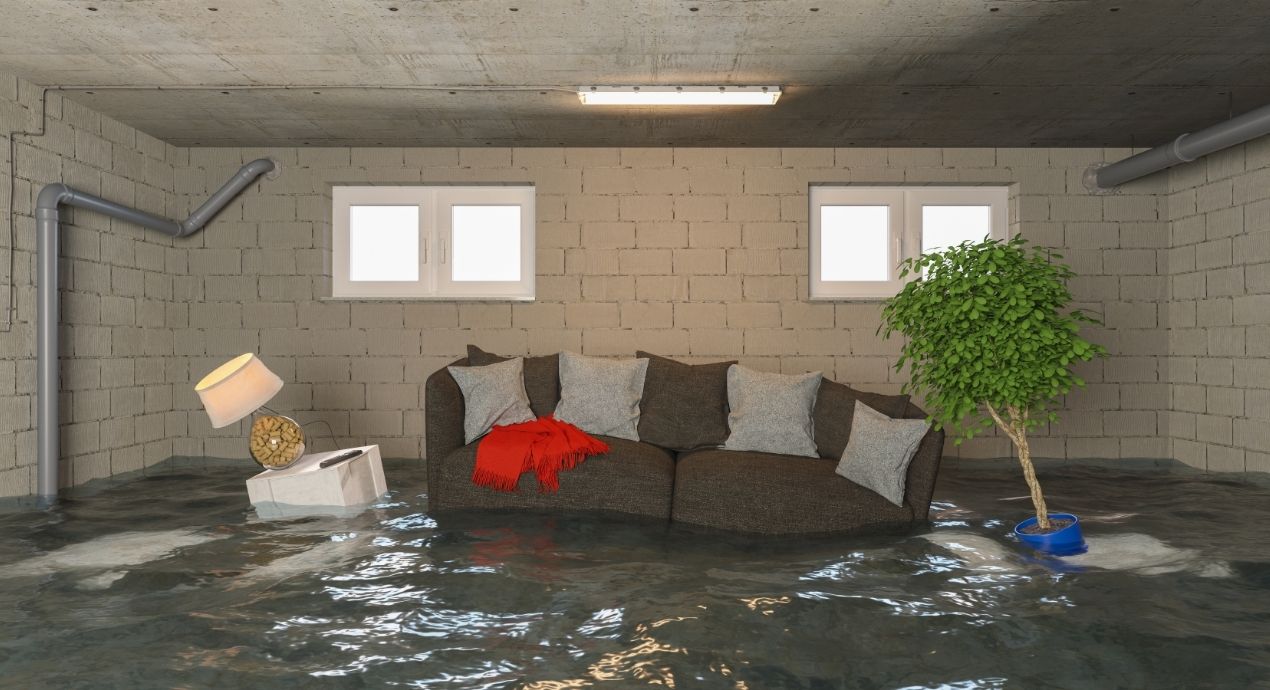
A flooded basement is one of the most frustrating problems a homeowner can face. Beyond the laborious cleanup, there’s lingering problems of water damage, possible mold growth, and general basement flooding repair. Considering that standard homeowner’s insurance policies rarely cover flooding, the question of how to recover from a flooded basement—financially and otherwise—is an understandable source of stress.
If you’re dealing with flooded basement issues in your home, be it a minor leaky pipe or full-on flash flood basement damage, try not to panic. These flooded basement tips will help you manage the problem so your basement can be cool and dry once again. If you’re in a true emergency situation, you should call your trusted local plumbing company or remediation company and call Liberty Home Guard agents who are standing by to help.
There’s a reason Liberty Home Guard was rated the #1 Home Warranty
Service by U.S. News and World Report for 2021, 2022, 2023, and 2024. Check out our services.
Your safety should be your immediate concern when your basement is flooding. You should first shut off the electricity and gas to the basement. This is important even if the flooding seems mild—you never know if water has come in contact with in-wall electrical wiring. If your circuit breaker is in the basement, call a professional electrician.
You’ll also want to prepare some protective gear to wear if you anticipate coming in contact with floodwater. Bacteria and other harmful pathogens are likely to be present in floodwater, and these can cause skin irritations, respiratory problems, and other symptoms. Be sure to wear boots, gloves, and eye protection. Better yet, wear a mask and ensure no skin is exposed.
Once the area is safe, try to find the water’s source. If the water is coming from outside the home, as in the case of a flash flood or bad storm, take note of how the water entered the structure. Use caution. Take photos and record notes. If the water is coming from inside the home, as in the case of a burst pipe, try to shut off the water source, provided it is safe to do so.
When the flooded area is controlled, it’s time to make some phone calls. If you have flood insurance, now is the time to call your insurance company. If you have a home warranty with basement flood coverage, call your provider to submit a claim. If the flood is bad enough, you may need to contact a professional flood cleanup service.
Now is the time to start removing contaminated items from the flood zone. Be sure to handle everything with gloves. Wash items that can be salvaged. Responsibly dispose of items that are beyond repair. To decontaminate items, rinse with a solution of bleach and water.
Once your basement is cleared, you can begin clearing the area of water. You may be able to tackle minor floods with a mop and bucket. More serious floods may require a wet/dry vacuum or a pump. Exceptionally bad floods will require the resources of a professional service.
A basement flooding may necessitate replacing some wall, ceiling, or floor components, particularly if your basement is finished. You may need to rip up and replace carpeting, cut out and replace damp drywall, or replace ceiling tiles. Ignoring this step can facilitate mold growth.
Depending on the extent of the damage, you may need the help of an expert. Know your limits and be absolutely sure that there is no mold or water damage if you take on repairs by yourself.
One basement flood is bad enough. It’s hard to know what to do if basement floods plague your home. Fortunately, a home warranty for basement leaks can help you manage basement water damage. They can also help you update your home to reduce the risk of leaks and flooding.
Liberty Home Guard is here to help you learn more. Contact us to get a free quote.
There’s a reason Liberty Home Guard was rated the #1 Home Warranty Service by U.S. News and World Report for 2021, 2022, 2023, and 2024. Check out our services.
Learn MoreBasement flooding can happen for a variety of reasons, and understanding the root cause is essential for prevention and proper repair. The most common causes of basement flooding include heavy rainfall and storms, poor drainage or grading, clogged or broken gutters and downspouts, cracks in foundation walls or floors, sump pump failure, sewer backup, burst or leaking pipes, or window well leaks.
You should call a professional as soon as you discover your basement is flooded—ideally within the first 24 hours. Quick action helps minimize water damage, reduces the risk of mold growth, and ensures that structural and electrical hazards are addressed safely. Delaying can lead to more extensive repairs and higher costs.
Homeowner’s insurance typically does not cover a flooded basement caused by natural events like heavy rain or rising groundwater. For that, you’d need separate flood insurance. However, it may cover flooding from sudden, accidental events like burst pipes or appliance malfunctions. Coverage depends on your specific policy, so it’s important to review your plan or speak with your insurer to understand what’s included.
Stay Ahead of Potential
Home Mishaps!
Subscribe to our Liberty Home Guard Newsletter and gain access to exclusive content that ensures your peace of mind.

Subscribe to receive our emails & get
Have questions?
Call us: (833) 544-8273