


Contemplating coverage?
Subscribe to receive our emails & get
$300 OFF!
Have questions?
Call us: (833) 544-8273

Expert-Reviewed Content: Guided by Editorial Standards

Written By Angel Vallejo
An anti-scald or scald prevention valve is a device that regulates the temperature of water coming out of a plumbing fixture. It’s a critical safety device because it automatically prevents water from the shower, bath, or sink from getting hot enough to burn the skin. Ensuring that the valve is properly installed and functional is essential, especially for homes with children or elderly adults.

Anti-scald valves are beneficial for any home, but they are particularly important when the household includes young children, seniors, or individuals with disabilities. Home water heater temperature settings may reach as high as 140°F, and water at that temperature is hot enough to cause a second-degree burn in three seconds and third-degree burn in five seconds. Preventing the flow of such dangerously hot water from the shower, bath, or sink is an essential home safety measure, and for that reason anti-scald valves are required by most building codes throughout the United States.
These valves are often installed locally, beneath the sink or behind the shower or bath handle. They can also be fitted directly at the water heater to regulate the water temperature for the entire home, which is helpful when the water heater is purposely set at a higher temperature to prevent Legionella bacteria growth. In that circumstance, the home’s water supply is hot enough to kill bacteria, but the anti-scald device ensures water is at a safe temperature at point of use.
Trade and engineering associations have increasingly incorporated scald prevention requirements into their codes and recommendations. The International Plumbing Code (IPC) and the Uniform Plumbing Code (UPC),for example, require anti-scald devices in showers and baths in all new construction and renovation projects. Most state and local governments likewise require anti-scald measures, though specific codes vary by location.
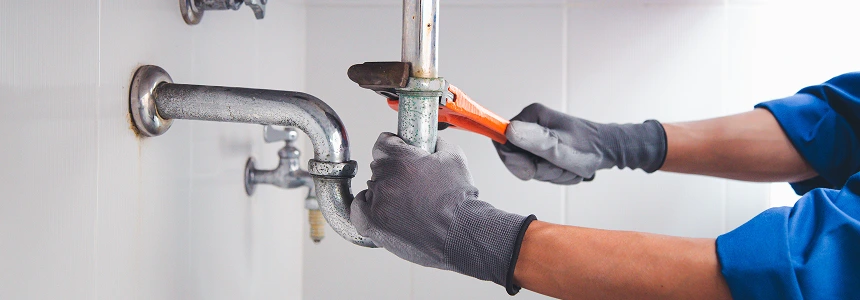
If your home is older and you haven’t updated the bathrooms or plumbing in some time, it’s possible that you don’t have anti-scald valves installed. While you’re not necessarily required to retrofit, it’s beneficial to do so for safety reasons. To install a pressure-balancing valve or thermostatic mixing valve, plumbing expertise is helpful, but with a little research you can make it a DIY project to save some money.
Anti-scald valves can wear out over time. Corrosion, hard water, and normal wear and tear can eventually interfere with the valve’s ability to effectively regulate the water temperature. Signs that suggest the valve needs to be replaced include:
Some of these symptoms overlap with those of a failing water heater. Fluctuating water temperatures, for instance, could be related to either a bad valve or a malfunctioning water heater. If you have locally installed anti-scald valves, determine whether the problem is unique to a specific shower or sink or widespread throughout the home. If multiple plumbing fixtures are affected, first troubleshoot your water heater before you spend the money on replacing your anti-scald valves.
In most circumstances, replacing an anti-scald mechanism is an easy job for an experienced plumber. The overall cost varies somewhat depending on the type of valve, accessibility, and local labor rates.
New pressure-balancing valves will cost around $100 to $250 each, parts and labor included. Thermostatic mixing valves are a little more expensive and can run from $200 to $400 per unit or more. Either type of valve can usually be installed in an hour or two. Costs and time required can increase if adjacent pipework needs to be replaced, or if tile or wall repairs are necessary.
Plan specifics vary, but home warranties can cover anti-scald valves as part of their broader plumbing system coverage. With active coverage, you can simply submit a claim if the valve begins to malfunction after years of wear and tear. Your provider will tap its network of technicians to have the issue diagnosed and resolved, all at minimal cost to you.
The easiest way to explore Liberty Home Guard’s coverage options for plumbing systems and other home systems and appliances is to call us directly at (833)-543-7699. You can also peruse our plans and policies and request a free quote for coverage through our website.
There’s a reason Liberty Home Guard was rated the #1 Home Warranty Service by U.S. News and World Report for 2021, 2022, 2023, 2024, and 2026. Check out our services.The Best Home Warranty Service
Yes, it’s usually possible to manually adjust the temperature cap of an anti-scald plumbing valve. The procedure depends on the type of valve and the manufacturer, so refer to the appropriate documentation for guidance. Use caution when adjusting the temperature limit, and be sure to use an accurate thermometer to test the water temperature after adjusting.
Showers and shower-tub combinations are the most common fixtures with anti-scald valves installed. Bathroom sinks and kitchen sinks may also have a safeguard against scalding water.
A valve in good condition should not meaningfully affect water pressure, but valves that are worn, corroded, or covered in minerals from hard water could cause a drop in pressure.
Anti-scald valves are often required by building codes and local housing laws. Landlords should check their local laws and regulations. Bear in mind that even if anti-scald valves aren’t explicitly required, they’re still worthwhile installations because they protect tenants and reduce liability.
If your shower was built or renovated in the last 20 to 30 years, it is very likely that an anti-scald mechanism is installed. One control handle rather than separate hot and cold handles is a good indication that the safeguard is there. When in doubt, a plumber can confirm.
Stay Ahead of Potential
Home Mishaps!
Subscribe to our Liberty Home Guard Newsletter and gain access to exclusive content that ensures your peace of mind.

Subscribe to receive our emails & get
Have questions?
Call us: (833) 544-8273