




Common HVAC AC Issues for Homes in Phoenix, Arizona
Liberty Home Guard

Expert-Reviewed Content: Guided by Editorial Standards

Angel Vallejo

Written By Angel Vallejo

Published 06/25/26
Home Maintenance

What Are the 10 Most Common HVAC AC Issues for Homes in Phoenix, Arizona?

Quick answer

  • Short answer: The most common Phoenix AC problems are refrigerant leaks, dirty/clogged filters, frozen evaporator coils, compressor failure, capacitor problems, condenser coil issues, clogged condensate lines, thermostat malfunctions, electrical component failures, and ductwork leaks. Many of these are accelerated by Phoenix’s extreme heat and dust; predictable maintenance and a home-warranty plan can reduce risk and out-of-pocket cost.
  • Want immediate plan options or pricing? Get a free quote or call our support team to see plan availability and pricing for your area.

Why This Matters

Phoenix summers routinely exceed 110–115°F. When your AC stops, it’s more than discomfort—it can be a health risk. Knowing what breaks, how to spot it, and whether your home warranty covers the repair puts you in control instead of scrambling during peak heat.

The 10 Most Common AC Problems in Phoenix — Signs, Causes, Fixes, and Typical Costs

1. Refrigerant Leaks — What Causes Them, What to Watch For, and Cost

  • Signs: Warm air from vents, ice on refrigerant lines, system running nonstop but not cooling.
  • Why it happens in Phoenix: Thermal stress on copper lines from extreme heat causes microscopic cracks.
  • Fix: Locate and seal the leak, then recharge refrigerant (requires EPA-certified technician).
  • Typical cost: $200 to $1,500+ depending on severity and repair complexity.
  • Note: Refrigerant handling requires certified pros; a warranty may cover the system failure, but refrigerant itself may have plan limits.

HVAC Repairs Can Be Costly.

See how smart homeowners
stay ahead of the curve.

Learn More

2. Dirty or Clogged Air Filters — How Often to Check and Why It Matters

  • Signs: Reduced airflow, higher energy bills, noisy blower motor, frozen evaporator coil risk.
  • Why it happens in Phoenix: Dust storms, fine desert particulate, and constant operation accelerate clogging.
  • Fix: Fix: Check monthly; replace every 1–3 months. Use high-quality filters for dusty conditions. Liberty Home Guard also offers an HVAC Tune-Up add-on to help keep your system running clean year-round.
  • Consequence: Left unchecked, a clogged filter can cause blower motor burnout, compressor failure, and frozen coils.

3. Frozen Evaporator Coils — Why Ice Forms and How to Resolve It

  • Signs: Ice on coils, reduced cooling, decreased airflow, and higher run times.
  • Causes: Restricted airflow (dirty filter, blocked vent) or low refrigerant.
  • Fix: Turn the system off and allow thawing (several hours),then address root cause (filter, vent, or refrigerant leak).

4. Compressor Failure — The Most Expensive Single Component Failure

  • Role: Pressurizes refrigerant and powers the cooling cycle.
  • Why Phoenix increases risk: High ambient temperatures, voltage fluctuations, and low refrigerant stress compressors.
  • Typical cost: $1,000 to $2,500 for parts and labor; sometimes full unit replacement is recommended for older systems.

5. Capacitor Problems — Common, Heat-Related Electrical Failures

  • Role: Start and run capacitors give motors the electrical boost to start and run.
  • Why in Phoenix: Outdoor condenser temps can exceed 150°F, shortening capacitor life.
  • Signs: AC hums but won’t start, fan or compressor won’t run, or system shuts down shortly after starting.
  • Typical cost: $150 to $400; replacement requires a licensed technician.

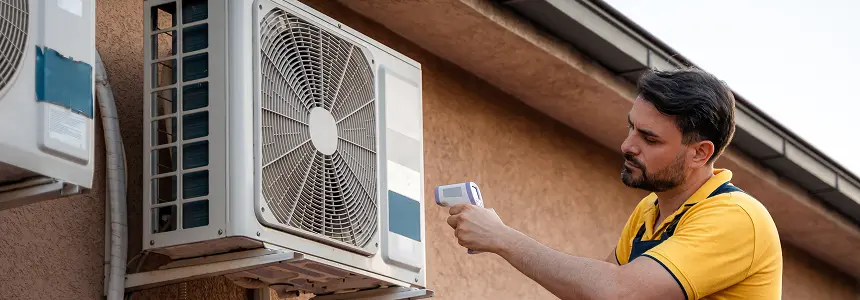
6. Condenser Coil Issues — Outdoor Coil Maintenance You Cannot Skip

  • Signs: Reduced cooling efficiency, longer run cycles, higher power use.
  • Causes in Phoenix: Dust, debris, cottonwood seeds, and mineral deposits on outdoor coils.
  • Fix: Annual professional cleaning is essential in Phoenix to prevent cascading failures.

7. Drainage Problems and Clogged Condensate Lines — Prevent Water Damage and Shutdowns

  • Signs: Water pooling near the air handler, safety shutoff, mold growth.
  • Why they occur: Algae, mold, and mineral buildup in the cool, moist interior of the drain line.
  • Fix: Annual flushing with diluted bleach or condensate treatment tablets; clear clogs promptly.

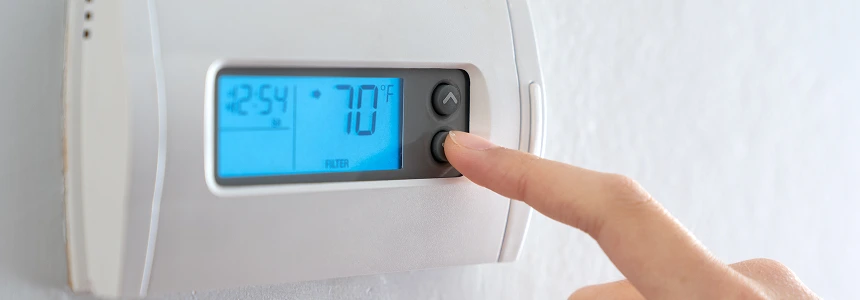
8. Thermostat Malfunctions — The Simple Things That Mimic Major Problems

  • Symptoms: System won’t turn on, won’t reach set temp, or cycles erratically.
  • Smart thermostat issues: Connectivity, firmware, and sensor placement problems (avoid direct sun/heat).
  • Quick checks: Replace batteries and verify settings before calling a technician.

9. Electrical Component Failures — Contactors, Relays, and Wiring

  • Common failures: Contactors (switching power to compressor and fan),relays, and degraded wiring.
  • Why Phoenix: Heat and dust accelerate degradation; contactor points can burn or pit.
  • Risk: Electrical failures can be safety hazards—do not defer repairs.

10. Ductwork Leaks and Airflow Problems — Hidden Losses That Reduce Comfort and Raise Bills

  • Signs: Rooms that never cool, high energy bills, dusty vents.
  • Why in Phoenix: Attic temperatures up to ~160°F degrade duct joints and insulation.
  • Fix: Duct testing and sealing; professional insulation replacement when necessary.

What You Can Do Now — Short Checklist

  • Check and replace air filters monthly during summer.
  • Schedule professional coil cleaning and tune-ups at least twice a year (spring and fall).
  • Keep outdoor units clear of debris and shade them if possible.
  • Replace thermostat batteries and verify sensor placement.
  • If cooling drops suddenly, check thermostat, breakers, and filter before calling for service.
  • Consider a home warranty plan to limit major out-of-pocket expenses for breakdowns.

What Liberty Home Guard Covers and How Claims Work

Plan Options

What’s Typically Covered

Covered AC components commonly include: compressor, refrigerant lines (repairs to the system; see plan limits on refrigerant),evaporator coil, condenser coil, capacitors, contactors, and electrical components directly tied to system operation. Thermostat coverage is generally included.

Coverage specifics and any numeric limits vary by plan and state — review your plan agreement for exact terms.

What’s Typically NOT Covered

  • Cosmetic damage.
  • Pre-existing conditions present at enrollment.
  • Some plans limit refrigerant recharge costs or exclude refrigerant itself — check your service contract for details.
  • Ductwork coverage varies by plan and location.

Who Pays and How the Service Process Works

As a Liberty Home Guard member: you contact us, pay your service call fee, and we dispatch a qualified technician. The plan covers eligible repairs per your contract terms; you are responsible for the service call fee and any uncovered costs.

Cost Examples and Financial Context

  • Filter replacement: low single-digit to low double-digit dollars per filter.
  • Refrigerant leak repair: $200 to $1,500+.
  • Capacitor replacement: $150 to $400.
  • Compressor replacement: $1,000 to $2,500 (often prompts full system replacement for older units).
  • Full system replacement: $5,000 to $12,000 (varies widely by system size, efficiency, and installation requirements).

Protecting Your Phoenix Home: Why a Warranty Matters

An AC breakdown in Phoenix can be a health emergency for elderly people, young children, and those with respiratory conditions—so prompt service and predictable costs matter. A Liberty Home Guard plan doesn’t prevent breakdowns, but it reduces the financial shock and coordinates qualified service so you’re not scrambling during peak heat.

How to Get Covered

  • Get a free quote here (enter ZIP to see local pricing and availability).
  • Review plan agreements and exclusions before enrolling.
  • Contact our support team if you have specific questions about refrigerant limits or older systems.

Final Note

Liberty Home Guard serves homeowners across the United States with flexible home warranty plans to protect the systems and appliances that matter most. Review plan details and exclusions in your service contract or contact our team to find the right protection for your Phoenix home.
Submit a Claim

Chill out—we’ve got your cooling covered.

Protection that keeps your home comfortable
when temperatures soar.

Explore AC Coverage

Frequently Asked Questions

  • How often should Phoenix homeowners have their AC serviced?

    Twice a year is the right cadence for Phoenix homes, once in the spring before peak cooling season begins and once in the fall after summer ends. Phoenix AC systems run harder and longer than systems in most other climates. Annual service simply isn't enough. Spring tune-ups should include coil cleaning, refrigerant level checks, capacitor testing, contactor inspection, and thermostat calibration. Fall service addresses any wear accumulated during the summer and prepares the system for the cooler months.

  • Does a home warranty cover AC refrigerant recharges?

    This varies by plan and provider, so read your contract carefully. Liberty Home Guard covers the mechanical failure that caused a refrigerant loss, such as a cracked line or a failing component, but refrigerant itself is a regulated substance with its own cost structure. Some plans include refrigerant; others cover up to a set limit. When you enroll, ask specifically about refrigerant coverage so you're not surprised at service time.
     

  • What should I do if my AC stops working during a Phoenix heat wave?

    First, check the thermostat settings and replace batteries if needed. Then check the circuit breaker for your AC system and reset it if tripped. Check the air filter and replace it if it's clogged. Look at the outdoor condenser unit and make sure it's receiving power and that nothing is blocking airflow around it. If none of those steps restore cooling, call for service immediately. Do not wait. If you're a Liberty Home Guard member, contact us directly and we'll dispatch a technician. While waiting, close blinds and curtains, move to interior rooms, and use fans to circulate air.
     

  • How long do AC systems typically last in Phoenix?

    The national average lifespan for a central AC system is 15 to 20 years. In Phoenix, that number is often shorter, closer to 12 to 15 years for a well-maintained system. The extreme operating hours, sustained high temperatures, and continuous thermal cycling shorten the effective life of compressors, coils, and electrical components. Diligent maintenance extends that lifespan meaningfully, but Phoenix homeowners should be financially prepared for earlier replacement than the national average suggests.
     

  • Can I get a Liberty Home Guard plan if my AC system is already older?

    Yes. Liberty Home Guard does not exclude coverage based solely on the age of your system. What matters is that the system is in proper working condition at the time of enrollment. Pre-existing conditions are excluded, but a functional older system is entirely coverable. An older system in Phoenix is actually one of the strongest arguments for getting covered, because the risk of component failure increases significantly as systems age. A warranty on a 12-year-old Phoenix AC system is meaningful protection.
     

Liberty Home Guard
Need help?

Talk to our Liberty Home Guard Agents 24/7.

(855) 953-9695(855) 953-9695
Liberty Home Guard
Special Offer
GET QUOTE
Liberty Home Guard
Need help?

Talk to our Liberty Home Guard Agents 24/7.

(855) 953-9695