




Contemplating coverage?
Subscribe to receive our emails & get
$300 OFF!
Have questions?
Call us: (833) 544-8273

Expert-Reviewed Content: Guided by Editorial Standards

Written By Ben Joseph
Quick status update: The federal Energy Efficient Home Improvement Credit (25C) and Residential Clean Energy Credit (25D) expired for property placed in service after December 31, 2025, under the One Big Beautiful Bill Act. If you installed qualifying equipment in 2025, you can still claim it on your 2025 tax return using IRS Form 5695. This guide is for reference only. Always verify current status on IRS.gov and consult a tax professional before filing, since Liberty Home Guard does not provide tax advice.
If you’re searching for what appliances qualify for energy tax credit, here’s the short version: the federal credits mostly covered whole-home systems like heat pumps, insulation, and solar equipment, not everyday kitchen or laundry appliances. Below is a full breakdown of what qualified, what didn’t, how to file for a 2025 install, and where to look for savings now that the federal credits have expired.
No, not for new installs. Both the Energy Efficient Home Improvement Credit (Section 25C) and the Residential Clean Energy Credit (Section 25D) expired for property placed in service or expenditures made after December 31, 2025.
If your qualifying equipment was installed and placed in service on or before that date, you can still claim it on your 2025 federal tax return during the 2026 filing season. If you’re installing new equipment in 2026, the federal credit will not apply.
Because tax law can change, verify the current status on the IRS website before you file or make purchasing decisions based on this guide.
For 2026 savings, look to:
The following categories historically qualified for federal credits when the equipment was purchased and placed in service by December 31, 2025. This section is a reference for what applied in 2025, not a guarantee of future eligibility.
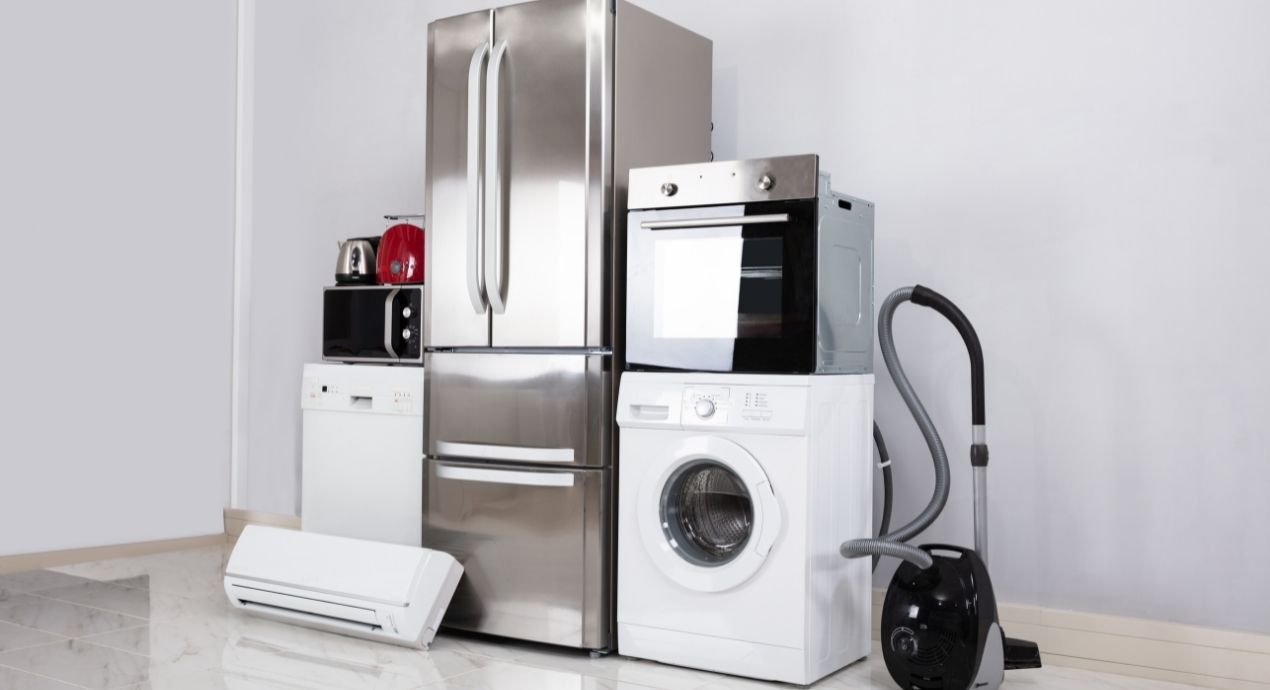
This is often the most confusing part for homeowners. The federal credits were built around whole-home systems and building envelope improvements, not most standalone appliances. The following typically did not qualify under 25C or 25D:
If a retailer or contractor told you one of these items qualified for a federal tax credit, double-check that claim against the IRS category list before you file. Some state or utility rebate programs cover different appliances than the federal credit did, so it’s worth checking those separately.
Since these everyday appliances rarely qualify for a tax break, many homeowners look at does a home warranty cover appliances as a more reliable way to budget for eventual repairs or replacement.
The 25C heat pump credit was one of the most commonly claimed provisions. Historically:
If you installed a heat pump in 2025, confirm the model met the required efficiency rating and keep your documentation. New heat pump installs in 2026 are not eligible under the expired federal credit, though state or utility rebates may still apply. For a closer look at how this shift affects HVAC upgrades specifically, see our HVAC tax credit 2026 guide.
The Residential Clean Energy Credit (25D) covered 30 percent of the cost of qualified residential clean energy equipment placed in service through 2025. This historically included:
Expenditures made after December 31, 2025 are not eligible under the now-expired 25D credit. If you’re planning a 2026 solar install, ask your installer about state incentives, net metering programs, or utility-specific solar rebates instead.
If your equipment was placed in service by December 31, 2025, you can still claim it using IRS Form 5695 on your 2025 return.
Only equipment that met the qualifying criteria and was placed in service on or before December 31, 2025.
Before you file, gather:
Many state energy offices and local utilities run their own rebate programs, separate from the federal credit. Check for active rebates on heat pumps, heat pump water heaters, insulation, and broader weatherization upgrades.
Some states have rolled out federally funded HOMES and HEEHRA rebate programs, though availability varies by location and program funding status. Covered categories in these programs can include heat pumps, certain electric cooktops, insulation, and whole-home efficiency upgrades. Check with your state energy office for current program status.
Energy credits are just one piece of the picture. For a broader look at deductions and credits available to homeowners, see tax benefits of homeownership.
Whether or not a system or appliance qualified for a federal tax credit, it still faces normal wear and tear over time. After investing in a new heat pump, water heater, or major appliance, a home warranty plan can help you manage the cost of covered repairs or replacement when something breaks down.
Liberty Home Guard’s Appliance Guard home warranty for appliances is built to help with covered breakdowns on major kitchen and laundry appliances like the ones outlined above, while a systems plan can extend protection to home systems such as HVAC.
If you have a second fridge, stand-alone freezer, or other extra appliance you’d like covered, you can also look into optional add-ons for extra appliances to expand your plan.
If you own higher-end or Pro-Series appliances, you may need an optional Pro-Series add-on for full coverage. You can review exclusions and terms in the Liberty Home Guard sample policy. Coverage applies to breakdowns caused by normal wear and tear, per your policy terms, and plans include 24/7 claims support so you’re not stuck waiting when something goes wrong.
The federal Energy Efficient Home Improvement Credit and Residential Clean Energy Credit expired for property placed in service after December 31, 2025. If you installed qualifying heat pumps, insulation, windows, doors, solar equipment, or other eligible systems in 2025, you can still claim that credit on your 2025 return using IRS Form 5695. For 2026 upgrades, federal credits are no longer an option, so look to state energy offices, local utilities, and manufacturer incentives instead.
Once your upgrades are in place, a Liberty Home Guard plan can help protect your investment against the normal breakdowns that come with everyday use. Get a quote to see which plan fits your home.
This article is for general information only and is not tax advice. Consult the IRS and a qualified tax professional for guidance specific to your situation.
There’s a reason Liberty Home Guard was rated the #1 Home Warranty Service by U.S. News and World Report for 2021, 2022, 2023, 2024, and 2026. Check out our services.The Best Home Warranty Service
No. The 25C and 25D credits expired for property placed in service after December 31, 2025. If you installed qualifying equipment in 2025, you may still claim it on your 2025 return. Verify current status on IRS.gov.
Mostly home systems: heat pumps, heat pump water heaters, certain central air conditioners, qualifying furnaces and boilers, and biomass stoves and boilers, plus insulation, windows, and doors. Clean energy equipment like solar panels and geothermal systems also qualified under 25D.
Generally, no. The federal credits focused on whole-home systems and building envelope improvements, not most standalone kitchen or laundry appliances.
This only applies to 2025 installs. Confirm the model met required efficiency ratings, keep your documentation, and complete Part II of IRS Form 5695, observing the applicable annual caps. Consult the IRS page for full details.
Only if the system was placed in service by December 31, 2025 under the now-expired 25D rules. New 2026 solar installs are not eligible under the lapsed federal credit.
Check your state energy office and local utility for active rebates on heat pumps, water heaters, insulation, and whole-home efficiency upgrades. Some states offer HOMES or HEEHRA rebate programs, subject to availability and funding.
Stay Ahead of Potential
Home Mishaps!
Subscribe to our Liberty Home Guard Newsletter and gain access to exclusive content that ensures your peace of mind.

Subscribe to receive our emails & get
Have questions?
Call us: (833) 544-8273