

Contemplating coverage?
Subscribe to receive our emails & get
$300 OFF!
Have questions?
Call us: (833) 544-8273

Expert-Reviewed Content: Guided by Editorial Standards

Written By Angel Vallejo
A radiator is a workhorse, but it still needs some attention and maintenance to keep it running effectively. A poorly maintained radiator can lead to cold spots, inefficient heating, and costly repair bills. Fortunately, the average homeowner can care for a home heating system with minimal professional help.
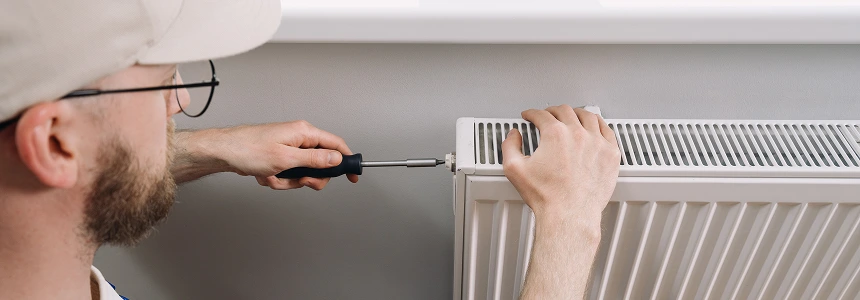
When air becomes trapped inside a radiator, it prevents the free circulation of hot water and impairs even heating. Radiator bleeding refers to purging that trapped air by opening a dedicated valve.
You should bleed your radiators once a year, usually in the fall when you’re prepping your heating system for several months of use. More frequent bleeding may be warranted if you notice any signs of trapped air. These include:
To bleed a radiator, all you need is a radiator key and a cup or old towel to catch any dripping water. Follow these steps:
Radiator heating systems need to be effectively balanced to ensure every room in the home is heated to a consistent temperature. This means adjusting special valves to control the flow of hot water to each individual radiator.
In a traditional system, water circulates in a closed loop. A boiler (which is distinct from a water heater) first heats the water to between 140°F and 180°F. The hot water then courses through the system, transferring thermal energy to each radiator to warm the home. Having lost much of its heat, the cooler water flows back through the system until it reaches the boiler once again.
The nature of this design means that radiators closer to the boiler can receive more thermal energy than those farthest from the boiler, since the water temperature drops as it moves through the system. To prevent some rooms from getting hotter than others, each radiator has a lockshield valve that regulates the internal flow of hot water. Properly adjusting these valves ensures consistent heating, or balance.
Follow these steps to balance your heating system:
It’s good practice to maintain and service your heating system before you begin to use it heavily through the colder season. Here’s a checklist to keep you organized:
The water in your heating system slowly corrodes the interior metal surfaces of your radiators and pipework. This helps to produce sludge, a thick mixture of rust, sediment, and minerals that can clog the system if left unchecked.
The most effective way to protect against radiator sludge buildup is to add a corrosion inhibitor to the water. This is effectively a chemical shield against corrosion. You can also install magnetic filters, which extract small particles of rust before they can accumulate into sludge.
If the system is already choked with heavy sludge deposits, you may need to have a specialist perform a power flush. This involves forcing chemically treated water through the system at high pressure to clean the pipes and radiators.
To keep your heating system in excellent health, follow the service schedule outlined below.
Maintenance Task | Frequency |
Check boiler pressure | Monthly |
Dust and clean radiators | Monthly |
Bleed the radiators | Annually, or as needed |
Inspect pipes and valves for leaks | Annually |
Schedule a professional inspection | Every 1–3 years |
Add corrosion inhibitor fluid | Every 2–3 years |
Power flush the system | Every 5–6 years, or as needed |
With proper maintenance, a radiator can easily last for 15 to 20 years. A replacement only becomes necessary when repairs are too frequent or expensive to justify. The following symptoms suggest you might be due for a new unit:
Even with adequate maintenance, your heating system may require professional repair at some point. This is especially true for older homes where the system has undergone a lot of wear and tear. When a fix is required, you don’t necessarily need to pay out of pocket. A Liberty Home Guard home warranty plan can help cover the cost and get your system back up and running in no time. Call us today at (833)-543-7699 to learn more.
Protect What’s Most Important With
Get A Free Quote
America’s #1 Home Warranty
Thermostatic radiator valves are usually worthwhile upgrades. Installing a thermostatic valve may cost a couple hundred dollars per unit, but the energy savings may allow you to recoup your investment within a few years.
Yes, magnetic filters capture iron oxide particles before they can contribute to radiator sludge. The cost of installation is far less than the cost to flush sludge out of your system.
Painting a radiator is fine as long as you use the appropriate product. Standard house paint can negatively affect a radiator’s heat output, but there are types of paint specifically formulated for metal and high-heat surfaces.
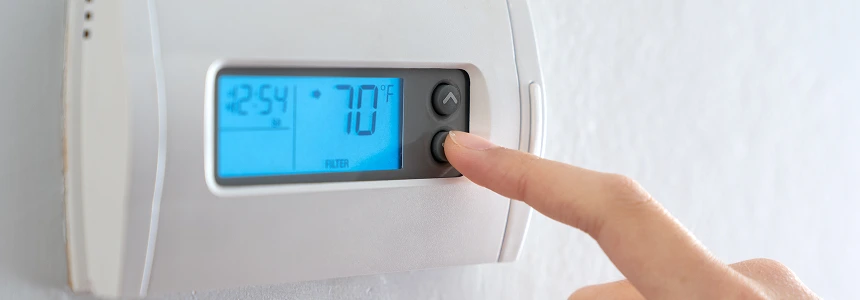
A daytime thermostat setting between 68°F and 72°F is recommended for a radiator heating system. You can drop the temperature by a few degrees at night.
A power flush is almost always a safe and effective way to clean radiator heating systems. If the pipework is already compromised, however, it’s possible that the force of a power flush could introduce a leak somewhere in the system.
Stay Ahead of Potential
Home Mishaps!
Subscribe to our Liberty Home Guard Newsletter and gain access to exclusive content that ensures your peace of mind.

Subscribe to receive our emails & get
Have questions?
Call us: (833) 544-8273