





Contemplating coverage?
Subscribe to receive our emails & get
$300 OFF!
Have questions?
Call us: (833) 544-8273

Expert-Reviewed Content: Guided by Editorial Standards

Written By David Moreno
Your home is likely the biggest investment you’ll ever make, so it’s worth knowing what can quietly chip away at its worth. Whether you’re planning to list your house soon or just want to protect your equity for the long haul, understanding the things that decrease home value is the first step toward avoiding costly surprises. Some of these home value killers are obvious, like a leaky roof, while others, like an outdated paint color, are easy to overlook until an appraiser or buyer points them out.
Below, we’re breaking down 15 of the most common culprits behind a lower appraisal or a stalled sale, along with practical tips for tackling them before they become bigger and more expensive problems.
Give buyers and sellers the best protection  Home Warranty
Provider In America
at great prices!
Become A Partner Today
Small, unaddressed repairs add up fast. A dripping faucet, a cracked driveway, or peeling exterior paint might not seem like a big deal on its own, but if a couple of these are happening at the same time, it signals neglect. Buyers and appraisers alike read deferred maintenance as a warning sign that bigger issues could be lurking behind the walls.
Kitchens and bathrooms sell homes, and dated versions of either can quickly turn buyers away. Worn countertops, old cabinetry, and dingy grout are among the top things that hurt home appraisal values because these are the rooms buyers scrutinize most closely.
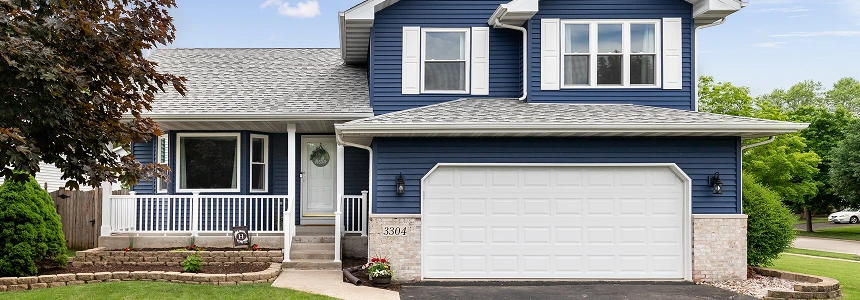
First impressions matter. An overgrown lawn, chipped paint on the front door, or a cluttered porch can make buyers form a negative opinion before they even step inside. Curb appeal issues are an easy, budget-friendly fix, yet they remain one of the most common home value killers.
Cracks in the foundation, uneven floors, or doors that no longer close properly are red flags that go straight to the bottom line. Structural concerns are expensive to fix and even more expensive to ignore, since they can scare off buyers entirely or trigger a much lower offer.
An aging or damaged roof is one of the fastest ways to tank a home’s value. Roofs are costly to replace, and most buyers will factor the full replacement cost into their offer, or walk away if the damage looks severe. Here are some roof maintenance tips to be aware of.
Knob-and-tube wiring, undersized electrical panels, and galvanized plumbing are safety and functionality concerns that inspectors flag immediately. These systems are exactly what hurts home appraisal outcomes, since lenders often require repairs before financing can move forward.
Stains on the ceiling, musty odors, or visible mold growth suggest a moisture problem that buyers don’t want to inherit. Even if the underlying issue has been fixed, unresolved water damage can leave a lasting impression that lowers perceived value.
Unpermitted additions, mismatched tile work, or amateur electrical jobs can do more harm than good. Poor-quality DIY projects are among the more surprising things that decrease home value, especially if they don’t follow local building codes.
Chopped-up rooms, oddly placed staircases, and closed-off kitchens don’t align with what most modern buyers are looking for. A functional, open layout tends to appraise and sell better than a home with a confusing flow.
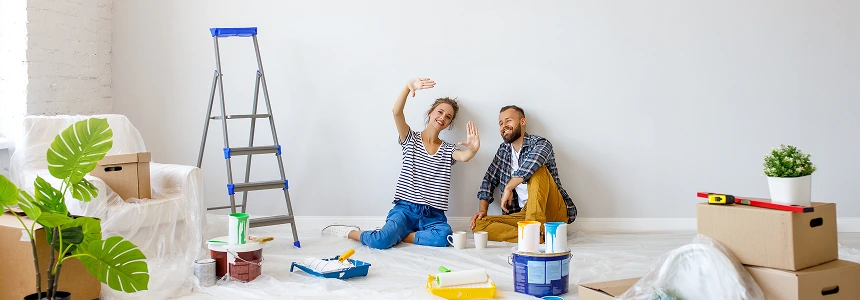
That bright accent wall might reflect your personal style, but it can be a turnoff for buyers trying to picture their own furniture and decor in the space. Neutral tones almost always appraise and show better than bold, personalized color choices.
Landscaping that’s been left unchecked like dead trees, weed-choked flower beds, or drainage issues, can hint at bigger maintenance problems and detract from your home’s overall appeal. On the flip side, well-maintained landscaping is one of the simplest ways to protect your investment.
Busy roads, power lines, industrial sites, or a home located near a landfill or airport can all weigh down value, regardless of how well-kept the property itself is. These location-based home value killers are largely out of a homeowner’s control, but they’re important to understand when buying or pricing a home.
A swimming pool can be a value-add in the right market, but a poorly maintained one with cracked concrete, cloudy water, or outdated equipment, often does more to scare buyers off than attract them. The same goes for backyard ponds or water features that have fallen into disrepair.
Evidence of termites, rodents, or other pests is one of the quickest ways to derail a sale. Even after treatment, any pest damage left behind can still show up during inspection and affect what hurts home appraisal results down the line.
Lingering smells from pets, smoking, or cooking can be surprisingly difficult to shake, and buyers notice them within seconds of walking through the door. Odors are hard to quantify on paper, but they have an outsized influence on first impressions and final offers.
The good news is that most of these things that decrease home value are preventable with routine upkeep and a little foresight. Staying ahead of repairs, keeping your systems in working order, and addressing small issues before they snowball can save you thousands of dollars when it’s time to sell or refinance.
This is exactly where a home warranty can make a real difference. Instead of scrambling to cover a sudden HVAC failure or plumbing breakdown, a home warranty from Liberty Home Guard helps you handle the unexpected without derailing your budget or your home’s condition. Keeping your major systems and appliances protected is one of the smartest ways to guard against the kind of deferred maintenance that appraisers and buyers notice first.
Ready to protect your home’s value for the long term? Explore Liberty Home Guard’s coverage plans and see how our home warranty options can help you stay ahead of costly repairs before they become home value killers.
Manage your client base and home warranty informationThe #1 Solution for Real Estate Professionals
with our Real Estate Portal:
Become A Partner Today
redeemed for rewards and prizes!
The biggest drivers of lost home value are structural and system failures: foundation problems, an aging or damaged roof, water damage and mold, and outdated electrical or plumbing. These are expensive to fix, often must be repaired before a lender will finance the purchase, and buyers subtract the full replacement cost from their offer. Cosmetic issues like bold paint or poor curb appeal do lower value, but they cost far less to reverse.
Appraisers evaluate condition, functionality, permits, and comparable sales — not decor. The items that most often lower an appraisal are structural damage, a roof near the end of its service life, non-functioning HVAC or water heaters, active leaks or mold, unpermitted square footage, and safety hazards such as knob-and-tube wiring. Bold paint colors and clutter influence what buyers offer, but they rarely change the appraised value on their own.
Yes. Unpermitted work lowers value in two ways: appraisers frequently exclude unpermitted square footage from the home's official size, and buyers discount their offer to cover the risk of fines, retroactive permitting, or forced removal. A finished basement or added bathroom without a permit may not count toward appraised value at all. Pulling retroactive permits before listing is usually cheaper than negotiating against the problem during escrow.
A home warranty does not raise appraised value directly, because appraisers value the property itself, not service contracts attached to it. What it does is protect value. Covering repairs to major systems and appliances prevents small failures from becoming the deferred maintenance that inspectors flag. Liberty Home Guard plans are also transferable to a buyer, which can reduce perceived risk and strengthen your position during negotiation.
The highest-return, lowest-cost fixes are maintenance and cosmetic: repainting in neutral tones, eliminating pet and smoke odors, trimming overgrown landscaping, repairing the front door and exterior trim, replacing dated light fixtures and cabinet hardware, and fixing visible leaks before they stain. Individually these are minor, but together they remove the impression of neglect that leads buyers to assume hidden structural problems.
Stay Ahead of Potential
Home Mishaps!
Subscribe to our Liberty Home Guard Newsletter and gain access to exclusive content that ensures your peace of mind.

Subscribe to receive our emails & get
Have questions?
Call us: (833) 544-8273