


Contemplating coverage?
Subscribe to receive our emails & get
$200 OFF!
Have questions?
Call us: (833) 544-8273

Expert-Reviewed Content: Guided by Editorial Standards

Written By Ellie Brooks
When your toilet backs up, the clock is ticking. Whether the water is rising in the bowl after every flush or you are seeing dirty water come back up through the drain, the cause determines your fix. Some toilet backups clear with a plunger in five minutes. Others signal a main sewer line failure that requires a licensed plumber immediately.

This guide covers the four causes a licensed plumber checks first, two step-by-step fix protocols, and what cross-drain symptoms tell you about how serious the problem really is.
A toilet backs up when something blocks or reverses the normal flow of wastewater. The most common cause is a clog in the toilet trap or drain pipe. If multiple drains are affected, the problem is usually a blocked main sewer line or a clogged plumbing vent stack. Identifying which category you are dealing with determines whether this is a DIY fix or a plumber call.
Plumbing fixtures are fitted with traps to prevent the backflow of noxious sewer gases into the home. The trap is the curved section of pipe you have likely seen beneath sinks or behind toilets. Most toilets use a P-trap or S-trap built directly into the porcelain. These traps can become clogged with toilet paper, hygiene products, or other materials flushed down the drain.
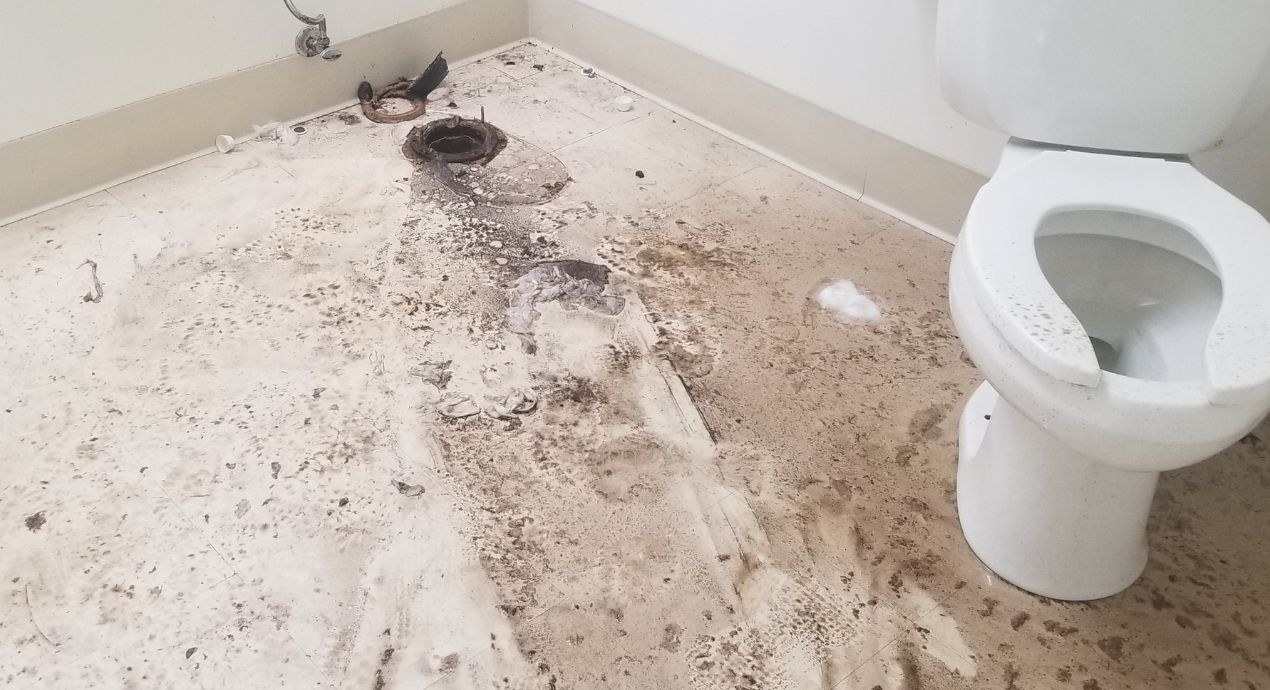
When the trap is partially or fully blocked, the bowl water rises after you flush instead of draining normally. In more severe cases, you may notice dirty water coming back up the toilet or, in a full backup, waste coming back into the toilet bowl. These are signs of a clog that is resisting water pressure rather than yielding to it.
Clogs also develop farther down the drain pipe, beyond the trap. These deeper blockages often grow gradually from materials that should never be flushed: paper towels, wet wipes, grease, and food waste. If you notice problems with only one toilet and all other drains appear to be working normally, a local clog in the trap or drain pipe is the most likely cause.
Sewer line blockages are another common cause of toilet and drain backups. It’s not uncommon for tree roots to impede underground plumbing. Roots are naturally drawn toward the warmth, moisture, and nutrients near sewer lines. The growth continues slowly over years until roots seriously restrict the flow of sewage or wastewater. In some cases, root intrusion damages the pipe itself, causing a partial collapse that requires excavation and repair.
Construction machinery, shifting ground, and pipe corrosion can also cause ruptures, breaks, and collapses in sewer lines. Any such damage creates an immediate backup risk.
A key diagnostic signal: if your tub or shower also fills with water when you flush the toilet, this is a sewer line issue, not a local clog. Both fixtures share the same downstream drain path, and a blockage past that junction affects all of them simultaneously.
Sewer lines are also threatened by fatbergs, the solid masses of grease, wet wipes, and non-flushable materials that accumulate in pipes over time. According to the U.S. Environmental Protection Agency, there are at least 23,000 to 75,000 sanitary sewer overflows per year in the United States, with clogging by fats, oils, and grease cited as a primary cause. Understanding plumbing coverage under a home warranty matters when sewer line damage means a major repair bill.
A vent stack is a vertical pipe, usually visible on your roof, that regulates air pressure within the home’s plumbing system. It allows gases to escape and prevents negative pressure from pulling wastewater back into the drains. Without proper venting, toilets gurgle, drain slowly, or back up entirely even when no physical clog is present.
If your toilet makes a gurgling sound after flushing, that sound is air being pulled through the trap because the vent pipe is not supplying enough pressure relief. Leaves, twigs, bird nests, or ice can obstruct the vent opening. A blocked vent stack affects the whole plumbing system, not just one fixture.
Toilet backflow occurs when wastewater reverses direction and flows back into the bowl instead of draining away. This typically happens when a downstream blockage creates back pressure in the pipe. It is a sign of a clog, a damaged sewer line, or a blocked vent stack.
Backflow is distinct from a standard overflow. An overflow happens when too much water enters the bowl. Backflow happens when water or sewage that has already passed through the trap returns upstream due to pressure reversal. Sewage coming back up the toilet, or poop coming back up the toilet after flushing, is a definitive sign of backflow from a downstream blockage.
When flushing the toilet causes water or sewage to rise in the tub or shower drain, you are not dealing with a simple clog. You are dealing with a main sewer line blockage. The toilet and tub share a common drain line. If something is blocking the main line downstream, pressure from the flush has nowhere to go except back up through the path of least resistance, which is usually the lowest drain in the house: the tub or shower.
This cross-drain backup changes your fix approach entirely. A plunger or auger at the toilet will not solve the problem. The blockage is not at the toilet. You need to stop using all drains immediately and contact a licensed plumber. This is also consistent with guidance from the City of Columbus Division of Sewerage and Drainage: if a sewer backup affects only your home rather than your neighbors, the blockage is almost certainly in your private service line, not the municipal main.
For context on related plumbing symptoms, see our guide on water backing up in other fixtures.
If all toilets in the house are backing up simultaneously, the problem is never a local clog at one fixture. When every toilet is affected, the blockage is in the main sewer line connecting your home to the municipal system, or the municipal line itself is overwhelmed. This scenario requires a licensed plumber with sewer camera equipment. Do not attempt to plunge individual toilets or use drain chemicals. Stop using all plumbing immediately and make the call.
The right fix depends on whether you are dealing with a single toilet clog or a whole-house backup. Use the diagnostic below first, then follow the appropriate protocol.
Diagnostic guide: One toilet backing up = local clog. Multiple drains affected = sewer line or vent issue. Sewage visible in tub or shower = call a plumber now.
If only one toilet is backing up and all other drains are clear, start here.
If multiple drains are backing up, the tub is filling when you flush, or sewage is visible in more than one fixture, follow this protocol.
If sewage is backing up into multiple fixtures, stop using all plumbing immediately.
Most residential toilet backups are preventable with consistent habits and periodic maintenance.
Schedule professional sewer line cleaning every 18 to 24 months, especially if your home has older cast-iron pipes or mature trees near the sewer line. During those appointments, ask for a camera inspection to catch root intrusion or developing fatbergs before they cause an emergency.
Homes in areas with a history of sewer backups should consider installing a backwater valve on the main drain line. This one-way valve automatically closes when flow reverses, preventing sewage from backing up into the home during a municipal overflow event.
Keep up with routine inspections using our plumbing maintenance checklist. If you notice slow drains, gurgling sounds, or recurring backups, these are early warning signs your water system has a problem that warrants professional attention before it becomes a full backup.
Only flush toilet paper and human waste. The single biggest preventable cause of residential sewer backups is flushing products that do not break down in water. Products labeled "flushable" are among the worst offenders: New York City’s Department of Environmental Protection warns explicitly that products marketed as flushable do not break down and cause blockages in pipes and pump stations citywide.
Items to avoid flushing:
The details of home warranty coverage vary by company and policy, but comprehensive protection for toilets is available. Liberty Home Guard’s System Guard and Total Home Guard plans cover toilet flusher parts and mechanisms, tanks, bowls, and wax ring seals. Both plans also cover mainline stoppages and clogs, which means the kind of whole-house backup described above may fall within your coverage rather than becoming an out-of-pocket emergency.
When a backup happens, the last thing you want to do is manage multiple contractor calls and service windows. Liberty Home Guard handles the entire claims process: we contact a licensed technician and coordinate the repair so you can focus on the problem, not the logistics.
For details on what is included, visit our Liberty Home Guard plumbing plans page or call us at (833)-545-9050 for a free quote.
If you experience a sewer backup, immediately stop using all plumbing fixtures and water-using appliances. Turn off the main water supply to prevent additional water from entering the system. Contact a licensed plumber who can assess the situation using specialized equipment like sewer cameras and high-pressure water jets to clear the blockage safely and effectively.
A toilet backing up but not clogged typically points to a blocked sewer vent pipe or a main sewer line issue rather than a local obstruction. A blocked vent pipe prevents proper air circulation in the plumbing system, which creates a vacuum effect that can pull water back through the trap. If multiple drains throughout the house are slow or gurgling, the problem is almost certainly the main sewer line rather than any single fixture.
While minor clogs can be handled with a plunger or auger, main sewer line clogs require professional intervention. A plumber will typically use one or more of these methods:
Most comprehensive home warranty plans cover toilet leaks and related components. Coverage typically includes:
A toilet that keeps backing up after flushing despite repeated plunging usually has a deeper blockage or a structural problem. Start with a toilet auger to clear material beyond the P-trap. If the problem recurs within days, have a plumber camera the drain line. Recurring backups often indicate a partial sewer line collapse, root intrusion, or a non-flushable object lodged in the pipe that plunging is only temporarily moving rather than clearing.
A toilet clogged with organic waste or toilet paper may clear on its own within a few hours as water softens the material. However, blockages caused by non-flushable items, tree roots, or sewer line damage will not resolve without intervention and will worsen over time. If the toilet is completely backed up and not draining at all, do not keep flushing. Each flush adds more water to an already stressed system and risks an overflow.
When flushing the toilet pushes water up through the tub or shower drain, the main sewer line is blocked. Both fixtures share the same drain line downstream. A local toilet clog does not cause this symptom because a local clog cannot generate the back pressure needed to push water through a separate fixture drain. Stop using all drains and contact a licensed plumber. This is not a DIY repair.
Stay Ahead of Potential
Home Mishaps!
Subscribe to our Liberty Home Guard Newsletter and gain access to exclusive content that ensures your peace of mind.

Subscribe to receive our emails & get
Have questions?
Call us: (833) 544-8273