





Contemplating coverage?
Subscribe to receive our emails & get
$300 OFF!
Have questions?
Call us: (833) 544-8273


Expert-Reviewed Content: Guided by Editorial Standards
Home warranty vs home insurance comes down to one core distinction: insurance covers sudden, unexpected damage to your home, while a warranty covers appliances and systems that break down from normal wear and tear. Both protect your home, but neither one replaces the other. Below, we break down what each covers, what each costs in 2026, and whether you actually need one, both, or neither.
Home insurance, also known as homeowners insurance, is a property insurance policy designed to protect your home’s structure and your personal belongings from unexpected damage or loss. Most mortgage lenders require homeowners insurance as a condition of the loan, making it essentially mandatory for most homebuyers.
A standard home insurance policy typically includes four core types of coverage:
Dwelling Coverage: Protects the physical structure of your home, including walls, roof, floors, and built-in appliances, from covered perils like fire, lightning, windstorms, and hail.
Personal Property Coverage: Covers your belongings inside the home, such as furniture, clothing, electronics, and other personal items, if they’re damaged or stolen.
Liability Protection: Provides financial protection if someone is injured on your property or if you accidentally damage someone else’s property.
Additional Living Expenses (ALE): Covers temporary housing costs if your home becomes uninhabitable due to a covered event.
Home insurance operates on a "named perils" basis, meaning it only covers damage from specific events listed in your policy. Common covered perils include fire, theft, vandalism, lightning strikes, windstorms, and hail. Damage from floods, earthquakes, or normal wear and tear typically isn’t covered under a standard policy; those require separate coverage or fall outside what insurance is designed to handle at all.
According to NerdWallet’s 2026 analysis, the national average for homeowners insurance is $2,490 per year, though the actual figure varies widely by state, home age, and coverage level. Premiums have climbed sharply in recent years: according to data from Insurify, home insurance premiums have risen 24% nationwide over the past three years, largely driven by increased rebuilding costs and more frequent severe weather claims.
The cost gap can be significant. U.S. Census Bureau data from 2025 shows more than 5.3 million households paid over $4,000 annually for property insurance in 2023, well above the national average.
Factors that affect your premium include:
Homeowners in coastal or high-risk states feel this most directly. In Florida, hurricane and flood exposure push premiums well above the national average, and many insurers have tightened underwriting or exited the market entirely. In California, wildfire risk has driven similar volatility, with some carriers limiting new policies in high-risk zones. If you live in either state, expect to shop more carefully and compare quotes before renewal.
A home warranty is a service contract that covers the repair or replacement of major home systems and appliances when they break down due to normal wear and tear. Unlike insurance, which protects against sudden, unexpected damage, a home warranty addresses the inevitable breakdowns that occur as your home’s components age.
Home warranties typically cover:
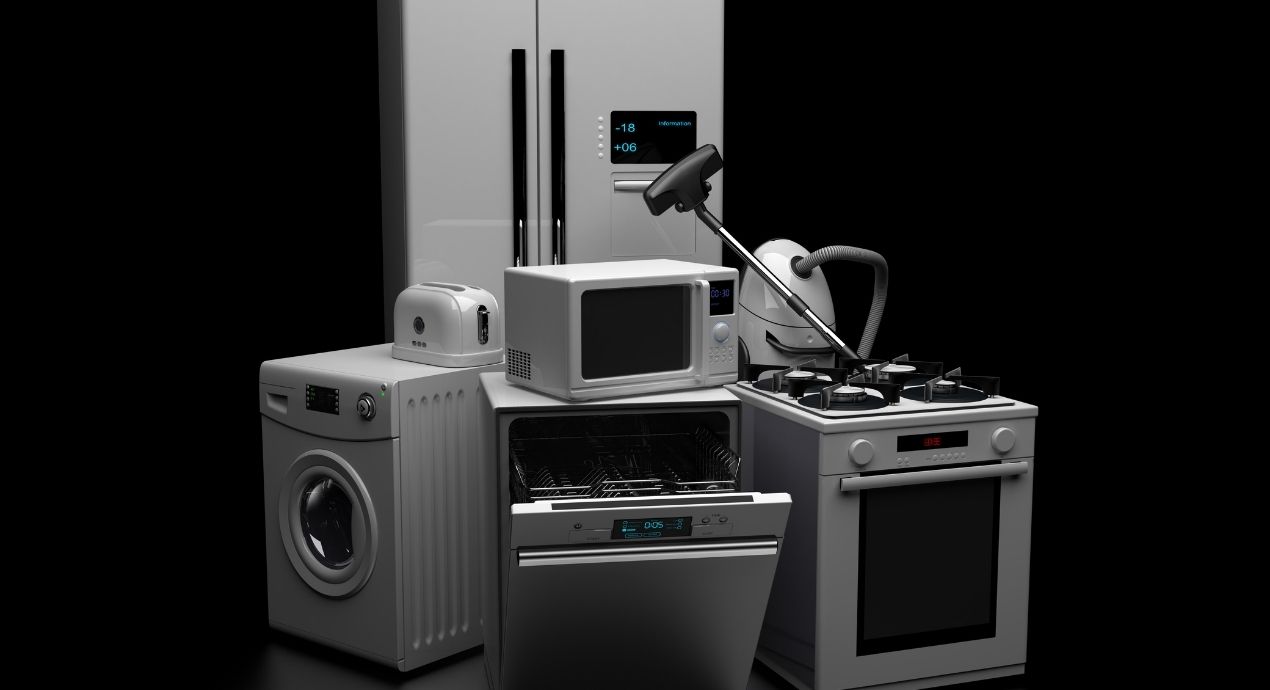
Major Appliances: Refrigerators, dishwashers, washers, dryers, ovens, ranges, and garbage disposals. See appliance coverage plans for a full breakdown of what’s included.
Home Systems: HVAC systems, electrical systems, plumbing, and water heaters. Explore home systems coverage for details on plan tiers.
Optional Add-ons: Pool equipment, septic systems, well pumps, and additional appliances.
When a covered item breaks down, you contact your home warranty company, pay a service fee, and a technician diagnoses and repairs or replaces the item. This is a service fee model, not a deductible: you pay a flat, predictable amount per visit regardless of the repair cost, rather than a percentage tied to your claim like insurance deductibles work.
Coverage isn’t unlimited, though. Industry data shows payout caps typically range from $1,500 to $3,000 per appliance and $2,000 to $5,000 per system. These caps vary by provider and plan tier, so it’s worth understanding them before you file a claim, not after.
Transparency here matters, so it’s worth being direct about the exclusions most contracts share:
None of this means a home warranty is unreliable. It means coverage is defined by contract terms, the same way insurance is. Reading your plan details before you need to file a claim, and choosing a provider that lists these terms clearly, is the best way to avoid surprises.
According to NerdWallet’s 2026 analysis, the average home warranty costs $350 and $700. per year, with service fees typically ranging from $65 to $200 per visit.
Costs vary by plan tier:
See the full average cost of a home warranty in 2026 for a state-by-state and plan-by-plan breakdown.
A single major appliance replacement, like a refrigerator or HVAC system, can cost $1,500 to $5,000 or more out of pocket. That makes the annual warranty cost worth weighing carefully if you’d otherwise face even one major breakdown without a repair fund set aside. Coverage terms and availability vary by state and by provider, so always review your specific contract before purchasing.
Home insurance covers sudden, unexpected damage to your home’s structure and belongings from events like fire, theft, or storms. A home warranty is a service contract that covers repair or replacement of major appliances and systems when they break down due to normal wear and tear. They protect against different risks and work together.
Factor | Home Insurance | Home Warranty |
Coverage Trigger | Sudden, unexpected events (fire, storm, theft) | Normal wear and tear over time |
What’s Covered | Structure, belongings, liability, temporary housing | Major appliances, home systems, optional add-ons |
2026 Average Annual Cost | $2,490 | $876 |
Cost Per Claim | $500 to $2,500 deductible | $65 to $200 service fee |
Required by Mortgage Lender | Yes | No |
Typical Contract Length | Annual (ongoing) | Annual (renewable) |
Home Insurance responds to sudden, unexpected events like storms, fires, theft, or accidents. If a tree falls on your roof during a storm, home insurance covers the repair costs.
Home Warranties respond to breakdowns from normal wear and tear. If your 10-year-old air conditioner stops working on a hot summer day, a home warranty handles the repair or replacement rather than your insurance policy.
Home Insurance primarily covers your home’s structure and your personal belongings. It protects against catastrophic losses that could financially devastate you.
Home Warranties focus on the mechanical systems and appliances that make your home functional day to day. They protect against the ongoing costs of maintaining an aging home.
Home Insurance involves paying annual premiums, averaging $2,490 in 2026, plus a deductible (typically $500 to $2,500) when you file a claim.
Home Warranties average $876 per year, with smaller service fees ($65 to $200) each time you use the coverage.
Home Insurance is required by nearly every mortgage lender as a condition of the loan. If you have a mortgage, carrying homeowners insurance isn’t optional; it’s part of your loan agreement.
Home Warranties are entirely optional. No lender requires one. Homeowners choose a warranty to budget predictably for repair costs, not because any institution mandates it.
Having homeowners insurance does not eliminate the need for a home warranty. Insurance covers sudden disasters; it does not pay for an HVAC system that stops working from age or a dishwasher that fails from normal use. For homes with systems and appliances over seven years old, do you need a home warranty if you already have home insurance is a question worth answering honestly, and for most owners of aging homes, the answer is yes.
Homeowners insurance was never designed to cover mechanical failure. If your water heater rusts through after twelve years of use, or your HVAC compressor finally gives out, insurance won’t pay a cent, because there’s no covered peril involved: no fire, no storm, no theft. Just an old machine reaching the end of its life. That gap is exactly what a home warranty is built to fill.
A home warranty tends to deliver the most value for:
If you’re weighing coverage for an older home, it helps to check whether home warranties cover older HVAC systems before you buy, since age limits and exclusions vary by provider.
Some personal finance voices, including Dave Ramsey, are openly critical of home warranties. The core critique is fair and worth stating plainly: claims can be denied over technicalities, service fees can stack up across multiple visits, and payout caps sometimes fall short of full replacement cost. These are real limitations, not just marketing spin from competitors.
At the same time, the data suggests many customers still find real value in the coverage. A MarketWatch 2026 survey of home warranty customers found that 87% plan to renew their contract, a meaningful signal of ongoing satisfaction across a large sample of providers. Context helps explain why: the Insurance Information Institute reports that only 5.3% of insured homes filed a property damage or theft claim in 2023, meaning most homeowners rarely use their insurance at all. Home warranty coverage, by contrast, is triggered by everyday breakdowns that happen far more frequently, which is part of why many owners perceive more regular value from it. U.S. Census Bureau data from 2025 also shows over 5.3 million households already pay more than $4,000 a year on insurance alone, making a predictable repair budget appealing on top of that expense.
The honest verdict: a home warranty isn’t right for every homeowner, and it isn’t a substitute for maintaining your home or saving for repairs. But for owners of older homes or aging systems who want predictable costs and fewer surprise repair bills, it’s a reasonable trade-off, not a scam. Coverage terms vary by state and provider, so read your contract closely before you decide.
Not all home warranty providers operate the same way, and a few warning signs can tell you a lot before you sign anything.
A transparent provider states its fees, caps, and dispatch timelines clearly before you buy, not after you file a claim. Reviewing Liberty Home Guard home warranty plans side by side with any provider you’re considering is a reasonable way to compare what’s actually disclosed up front.
Home insurance and a home warranty solve different problems, and most homeowners with systems or appliances over a few years old benefit from carrying both. Liberty Home Guard offers flexible plans built to complement your existing insurance, with clear service fees, defined payout terms, and a contractor network ready when something breaks down.
If you’re deciding how to choose the best home warranty for your home, our team can walk you through plan tiers and coverage limits before you commit to anything.
Call us at (866) 984-0012 or get a free home warranty quote to see what a plan would cost for your home.
There’s a reason Liberty Home Guard was rated the #1 Home Warranty
Service by U.S. News and World Report for 2021, 2022, 2023, 2024, and 2026. Check out our services.
No. A home warranty is a service contract for appliance and system breakdowns from normal use. Homeowners insurance is a property insurance policy protecting against sudden events like fire, storms, and theft. Mortgage lenders require homeowners insurance. A home warranty is optional and covers a narrower set of risks.
Yes, for most homeowners, especially those with systems or appliances over seven years old. Insurance covers catastrophic, sudden damage; it does not cover a furnace or dishwasher wearing out from normal use. A warranty closes that specific gap, which insurance was never designed to fill.
For many homeowners, yes, particularly those with aging systems or appliances. A MarketWatch 2026 survey found 87% of home warranty customers plan to renew, and a single HVAC replacement can cost at $5,000 or more out of pocket.
Stay Ahead of Potential
Home Mishaps!
Subscribe to our Liberty Home Guard Newsletter and gain access to exclusive content that ensures your peace of mind.

Subscribe to receive our emails & get
Have questions?
Call us: (833) 544-8273