


Home Warranty for Rental Property
Liberty Home Guard

Expert-Reviewed Content: Guided by Editorial Standards

Allaire Conte

Written By Allaire Conte

Published 09/18/26
Home Warranty Plans

Home Warranty for Rental Property: Cost, Coverage & How to Get One (2026)

Key Takeaways:

  • How to get one: Landlords can enroll a rental property directly through Liberty Home Guard's online checkout by selecting a plan, entering the property address, and choosing optional add-ons.
  • 30-day waiting period: Every Liberty Home Guard plan includes a standard 30-day waiting period before certain claims can be filed, so enroll before an issue arises rather than in response to one.
  • Predictable maintenance costs: A home warranty replaces large, unpredictable repair bills with a fixed annual premium and a small service fee per visit.
  • Tax-deductible protection: Home warranty premiums and service call fees on a rental property are generally deductible operating expenses, lowering taxable rental income.
  • Less time managing repairs: Liberty Home Guard dispatches and coordinates contractors directly, which matters most for landlords managing multiple units.

Owning a rental property changes the home warranty calculation in ways that matter before you sign up. Unlike owner-occupants, landlords face repair costs across multiple units, must coordinate fixes without always being on-site, and need expenses that fit into a predictable annual budget rather than arriving as surprises. Tenant satisfaction also enters the picture (a broken HVAC unit or a failed water heater affects someone’s home and, ultimately, whether they renew their lease). This guide covers the specifics landlords need: how to enroll a rental property, what coverage looks like for non-owner-occupied homes, what it costs, and exactly how a claim works when you’re the one holding the lease rather than living under the roof.

Liberty Home Guard
Home Warranty
Provider In America

Give buyers and sellers the best protection
at great prices!

  • Request proforma invoices and submit orders for new policies.
  • Elevate your business.
  • Manage your policy in our Realtor Portal!
Become A Partner Today

How Do You Get a Home Warranty for a Rental Property?

Getting a home warranty on a rental property takes three steps:

  1. Choose a plan. Liberty Home Guard offers pre-built plans (Systems Guard, Appliance Guard, Total Home Guard) plus the option to build a custom plan, and any of them can be applied to a rental unit, not just an owner-occupied home.
  2. Enter the rental property’s details. You’ll provide the property address and basic information about its systems and appliances during checkout; ownership type (rental vs. primary residence) does not change eligibility.
  3. Confirm coverage and get your welcome documents. Once enrolled, you’ll receive a contract outlining what’s covered, the service call fee, and how to file a claim. Save this alongside your other landlord tax records.

Landlords do not need to be present for repairs. You can list yourself as the primary contact and either authorize your property manager or tenant to schedule service calls, or route every request through yourself for full control.

Is a Home Warranty for a Rental Property Tax Deductible?

Yes. For most landlords, both the annual premium and the per-visit service call fee qualify as deductible operating expenses on a rental property, the same way you’d deduct a repair bill or a property management fee. This is different from a primary residence, where a home warranty is generally not deductible. Save your enrollment confirmation and service receipts; Liberty Home Guard emails a receipt after every completed service call, which makes this easier to track at tax time. Always confirm treatment with a tax professional, since deductibility depends on how the property is used.

What Does a Home Warranty Cover on a Rental Property?

Coverage for a rental property is not a stripped-down version of a homeowner plan. It includes the same major systems and appliances:

  • Systems: HVAC, electrical, plumbing, and water heater. A failed central air conditioner in summer is one of the most common and most expensive system claims landlords face, often running into the thousands of dollars for a full replacement.
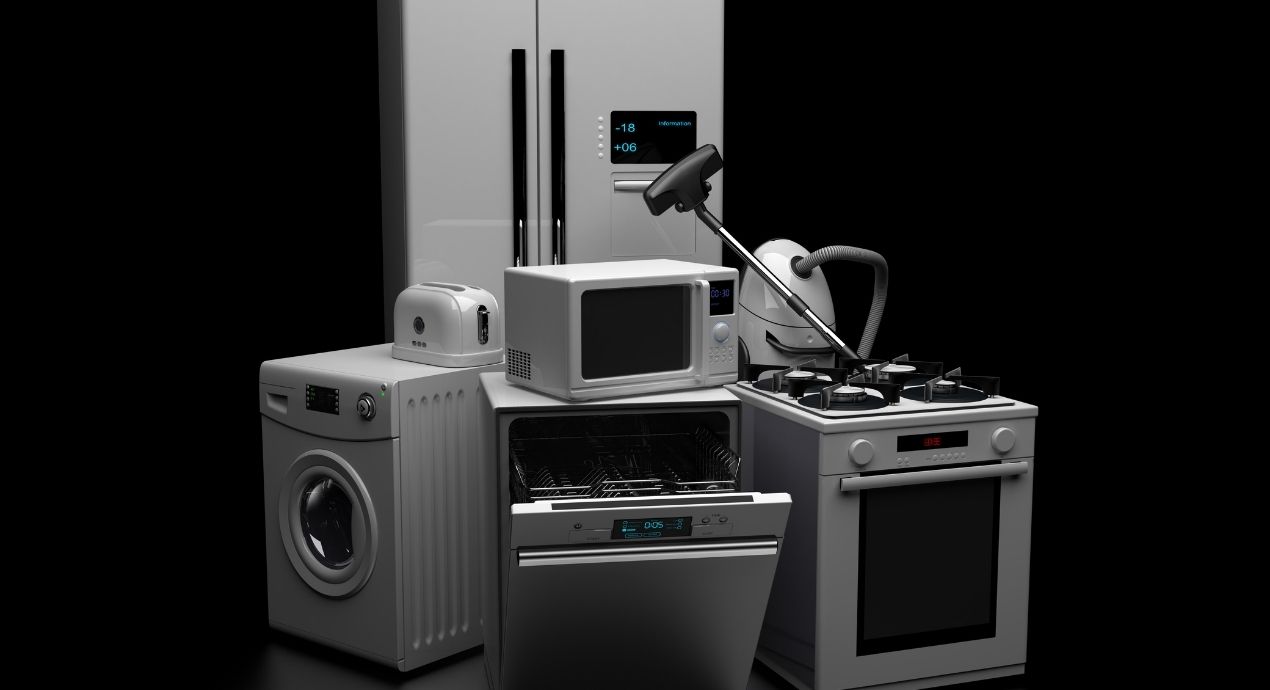
  • Appliances: Refrigerator, oven/range, dishwasher, washer, and dryer. Washers and dryers are especially prone to wear-related failure in rental properties, where usage is heavier and less carefully monitored than in an owner-occupied home.
  • Optional add-ons: Pool/spa equipment, well pump, roof leak coverage, and septic systems, useful for landlords with larger or older properties. A septic system failure, for example, can render a property temporarily uninhabitable and cost several thousand dollars to pump and repair without coverage in place.

Liberty Home Guard’s plans page breaks down exactly what’s included at each tier so you can match coverage to a specific unit’s age and systems rather than over- or under-buying.

What Does It Cost?

Pricing depends on the plan and any add-ons, but landlords should budget for two line items:

  • Annual or monthly premium: varies by plan tier and property size
  • Service call fee: charged per visit when a technician is dispatched

For a full breakdown of plan pricing and what drives the difference between tiers, see Average Cost of Home Warranty Coverage in 2026.

Filing a Claim as a Landlord: What to Expect

The claim process for a landlord follows the same basic path as any home warranty claim, but a few steps look different when you own the property rather than live in it.

  1. Report the issue. Either you or an authorized contact (a tenant or property manager you’ve approved on the account) submits a claim online or by phone. Liberty Home Guard allows landlords to designate authorized contacts so tenants can report a broken appliance or failed system directly, without routing every call through you first.
  2. A technician is dispatched. Liberty Home Guard assigns a contractor from its network and schedules the visit. You and any authorized contact receive confirmation, so you know when a technician will be entering the property, useful both for coordination and for keeping tenants informed.
  3. The service call fee is paid. The per-visit fee is collected at the time of service. As the account holder, you’re responsible for payment, though some landlords build this cost into how they handle tenant communication about scheduled repairs.
  4. The outcome is assessed and communicated. The technician diagnoses the issue and the claim is either approved for repair or replacement, or it requires further review. Liberty Home Guard notifies you of the decision. If a repair is approved, the contractor typically completes it during the same visit or schedules a follow-up if parts need to be ordered.
  5. You retain a record. A receipt is emailed after each completed service call, which doubles as documentation for your tax records and for tracking maintenance history by property.

For landlords managing several units, the Real Estate Portal keeps every claim and service event organized in one place rather than scattered across separate email threads.

Choosing the Right Plan for a Rental Property

Not every rental property needs the same level of coverage, and over-buying on a newer build or under-buying on an aging duplex both cost landlords money. The right approach starts with matching plan tier to what the property actually has, and what’s most likely to fail.

  • Older properties with aging systems are the clearest case for a comprehensive systems plan. Mechanical components that are ten or more years old carry higher failure risk, and the cost of replacing a furnace or HVAC unit without coverage can easily exceed a full year’s premium. A systems-focused plan or a Total Home Guard-style plan that bundles systems and appliances makes sense here.
  • Properties with included appliances (where the landlord provides a refrigerator, washer, dryer, or dishwasher as part of the lease) need appliance coverage explicitly included. If tenants bring their own appliances, that coverage may be less critical and a systems-only plan may be a better fit.
  • Multi-unit or larger properties often have additional infrastructure worth covering through add-ons: well pumps on rural rentals, septic systems on properties not connected to municipal sewer, or pool equipment on vacation rentals.

    A few common scenarios and how to approach them:
     
  • Single-family home under 10 years old, no included appliances: Systems Guard or a basic plan; skip appliance add-ons tenants don’t rely on.
  • Single-family home 15+ years old, appliances included: Total Home Guard or equivalent to capture both systems and appliance failure risk.
  • Rural property on a well and septic: Any plan tier plus well pump and septic add-ons specifically. Those failures are expensive and not covered by default.
  • Vacation or short-term rental with pool: Add pool/spa equipment coverage; faster repair turnaround matters more when guest experience is at stake.

Liberty Home Guard vs. Other Providers for Rental Properties

Not every provider treats rental and investment properties the same way. Some competitors limit certain plans to owner-occupied homes or charge a landlord surcharge. Liberty Home Guard applies its standard plans to rentals without a separate rental-specific pricing tier, and supports landlords managing multiple properties through the Real Estate Portal, which centralizes plan management, order confirmations, and referral tracking across every property in a portfolio. If you manage more than one rental, that portfolio view is worth comparing directly against whatever multi-property tools a competitor offers before you enroll. A further practical difference is claim flexibility: Liberty Home Guard allows landlords to designate a tenant or property manager as an authorized contact for scheduling and reporting, which means claims can move forward without the landlord acting as a go-between on every service call, a feature that not all competitors extend to non-owner-occupied accounts. When comparing providers, ask directly whether that kind of contact delegation is supported and whether it can be changed on a per-property basis.

Pros and Cons for Landlords

Pros

  • Cost control: Repairs are capped at the service call fee instead of the full repair or replacement cost. For landlords with older properties, this can mean the difference between a predictable $100–$150 service visit and a $3,000–$8,000 HVAC or water heater replacement bill arriving without warning.
  • Tenant retention: Faster repairs reduce tenant complaints and support lease renewals. When a covered repair is handled through a warranty provider (dispatched promptly and resolved without the landlord scrambling for a contractor),tenants notice the responsiveness, and that experience contributes to whether they choose to stay.
  • Less coordination work: The provider sources and dispatches the technician, which saves hours per repair, especially across multiple units. Rather than calling three contractors for availability and comparing quotes, a landlord files one claim and Liberty Home Guard handles the scheduling, a meaningful time savings when you’re managing a portfolio rather than a single home.

Cons

  • Coverage exclusions: Pre-existing conditions, improper prior installation, and lack of maintenance are typically excluded, so review the contract before assuming a repair is covered. A landlord who deferred maintenance on a water heater or inherited a property with aging, improperly installed plumbing may find those specific issues fall outside what the warranty will pay for.

Multi-Family and Multiple Properties

If you manage more than one rental, coverage doesn’t have to be purchased unit by unit. See Home Warranties for Multi-Family Homes for how coverage scales across a portfolio, and use the Real Estate Portal to keep every property’s plan, renewal date, and service history in one place.

The #1 Solution for Real Estate Professionals

Manage your client base and home warranty information
with our Real Estate Portal:

  • Set up coverage for home warranty plans in minutes!
  • Email order confirmations to clients, title agents, and others!
  • Join our ’Realtor Referral Program’ and earn points that can be
    redeemed for rewards and prizes!
Become A Partner Today

Frequently Asked Questions About Home Warranties for Rental Properties

  • Is a home warranty worth it for rental properties?

    For most landlords, yes, particularly for properties with systems or appliances over five years old. The value comes from converting unpredictable repair costs into a fixed premium and a small service fee, which makes annual budgeting easier and reduces the odds of a surprise five-figure repair year. Newer properties still benefit, since even new systems can fail unexpectedly.

  • How long does it take to get coverage after signing up?

    Coverage on a new Liberty Home Guard plan typically becomes active within 24 to 48 hours of enrollment. However, all plans carry a 30-day waiting period before certain repair or replacement claims can be filed, regardless of plan tier. This waiting period is standard across every Liberty Home Guard plan, so if a system or appliance is already failing at the time of enrollment, that specific issue will not be covered until the waiting period has passed.

  • Can I put a home warranty in my property management company's name instead of my own?

    Some providers allow a property management company to be listed as the account holder or authorized contact, which lets the manager handle claims directly. Confirm this option during enrollment, since the account holder is typically the one authorized to approve service visits and repairs.

  • Do tenants deal with the home warranty company directly?

    Usually not by default. The landlord manages the account and files claims, though many providers let the landlord authorize a tenant or property manager as an approved contact so tenants can report issues directly and schedule service without waiting on the landlord each time.

  • Does a home warranty cover damage tenants caused themselves?

    No. Home warranties cover mechanical failure from normal wear and tear, not damage caused by tenant misuse, neglect, or accidents. That kind of damage is typically a security deposit or landlord-insurance matter, not a home warranty claim, so the two protections work together rather than overlapping.

Liberty Home Guard
Need help?

Talk to our Liberty Home Guard Agents 24/7.

(855) 953-9695
Liberty Home Guard
Special Offer
GET QUOTE
Liberty Home Guard
Need help?

Talk to our Liberty Home Guard Agents 24/7.

(855) 953-9695