



```html```
Hot Water Tank Repair
Liberty Home Guard

Expert-Reviewed Content: Guided by Editorial Standards

Angel Vallejo

Written By Angel Vallejo

Published 06/08/26
Home Maintenance

Hot Water Tank Repair: Costs, Common Issues, and When to Call a Pro

Key Takeaways:

  • The most common hot water tank problems involve sediment buildup, a failing heating element, or a faulty thermostat. You can often resolve these issues without a service call.
  • Hot water tank and water heater repair cost averages range from $100 to $700, depending on the issue. A total appliance replacement can run $1,000 to $1,500 or more.
  • Minor fixes, such as relighting a pilot light or flushing sediment, make for easy DIY projects. You should reach out to a licensed professional for persistent leaks or anything involving gas lines or electrical components.

Reliable access to hot water is a creature comfort we often take for granted, right up until the moment when the water heater breaks down. Having no hot water is frustrating, but if you’re familiar with water heating systems and the most common reasons for breakdowns, you can minimize the inconvenience.
Submit a Claim

Hot water on demand, cold
shoulders to breakdowns.

Coverage that keeps your showers warm and
your mornings comfortable.

Explore Water Heater Coverage

How a Hot Water Tank Works (And Why Things Go Wrong)

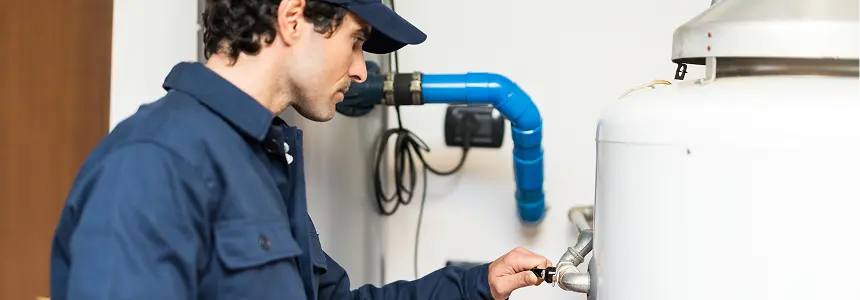
A standard hot water tank has a straightforward design. Cold water from your home’s plumbing system flows into the tank, and an electric or gas heating element begins to bring the water up to a prescribed temperature. A simple thermostat regulates the water temperature, retriggering the heating element when the water temperature begins to drop, and a relief valve keeps the pressure within the tank at a safe level. When you turn on the hot water tap, the heated water flows through the tank’s outlet valve to your sink, tub, shower, dishwasher, or washing machine.

Despite this simplicity, several problems can afflict a hot water tank as it ages:

  • The anode rod that keeps rust and corrosion at bay can gradually erode and become less effective. 
  • Corrosive forces can wear down metal surfaces and hardware.
  • Hard minerals and sediment in your home’s water accumulate in the tank, impairing water flow and temperature regulation. 
  • Valves, gaskets, and seals can fail, increasing the risk of leaks. 
  • The thermostat can fall out of calibration or become less accurate.

The Most Common Hot Water Tank Problems Homeowners Face

The wear and tear of various hot water tank components can prompt several problems. Understanding the most likely root cause of a specific symptom can support your hot water heater troubleshooting.

  • No hot water. If you’re not getting any hot water at all, there could be a tripped circuit breaker or dead heating element. If you have an older home with gas heating, the pilot light may have gone out. Check your breaker panel to confirm the appliance is drawing power before escalating. 
     
  • Inconsistent water temperature. Fluctuating temperatures or lukewarm water suggest a failing thermostat or heating element. Whichever the culprit, the component likely needs to be replaced. 
     
  • Strange noises. Excess sediment at the bottom of the tank can trap pockets of water. When the heating element warms that trapped water, you might hear rumbling, popping, or hissing noises. This is known as the kettling effect, and it can be a sign that your water heater will soon fail
     
  • Rusty or discolored water. If your tank has begun to rust, you’ll see brownish or reddish water flow from your taps. Bear in mind that discolored water can be a symptom of other problems, though, like corroded plumbing or high iron levels in the water. 
     
  • Water leaks. Leaks most often result from deteriorating pressure relief valves and water inlet and outlet connections, which are usually repairable. A corroded or cracked tank can also cause a leak, however, and that usually requires a total appliance replacement. 
     
  • Poor water pressure. If your home’s hot water pressure is noticeably weaker than the cold water pressure, your water tank’s outlet or connected plumbing could be clogged with minerals and sediment.

Hot Water Tank Repair Costs: What to Expect Before You Call

The cost to repair a hot water tank can vary substantially depending on the nature of the problem and your local cost of living. This table presents a general breakdown of what you can expect to pay. You can use these cost ranges to inform your decision about water heater repair vs. replacement.


Type of Repair

Cost

Thermostat replacement

$100–$300

Heating element replacement

$150–$350

Anode rod replacement

$150–$250

Pressure relief valve replacement

$100–$200

Sediment flush

$100–$200

Gas valve repair

$200–$400

Leak repair (excluding cracked tanks)

$100–$300

Full tank replacement

$800–$1,500+


[H2] DIY Fixes vs. Calling a Pro: Where to Draw the Line 

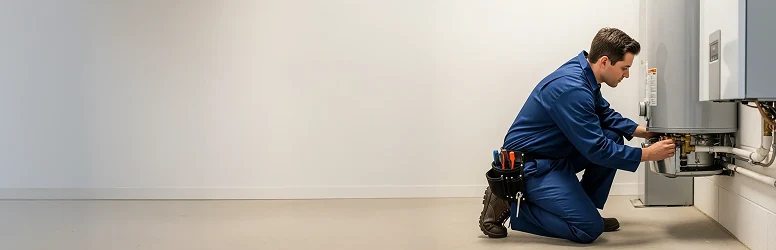
Some hot water tank issues are easy enough to fix without professional help, but others do require technical expertise for safety or licensing reasons. Here are some tasks you can likely accomplish on your own:

  • Adjusting the thermostat. The thermostat on a hot water tank is easy to adjust. A setting of 120°F is best for most households.
  • Flushing sediment from the tank. You should aim to flush your hot water tank once per year to eliminate excess sediment.
  • Replacing an anode rod. The anode rod erodes over time and eventually requires replacement to prevent rust and corrosion. You can replace the rod by draining part of the tank and using a socket wrench or other appropriate tool to swap the rod for a fresh one.
  • Relighting a pilot light. Pilot lights are becoming less common in modern American homes, but if your home still has one, you can relight it without professional help.

Most other repair and maintenance tasks should be left to the pros, largely because of safety hazards or damage mitigation. These situations really demand professional assistance:

  • Electrical repairs. Tampering with wiring or electrical heating elements is dangerous. Even if you’ve cut power to the appliance, the risk of electric shock is not necessarily eliminated because components can hold a charge.
  • Repairs involving gas lines or connections. Don’t mess around with gas lines if you don’t know what you’re doing. Small errors can risk gas leaks, carbon monoxide exposure, and fire.
  • Pressure relief valve repairs. The relief valve is a critical safety device. If you repair or replace the valve incorrectly, the pressure within your tank can cause an explosion.

How a Home Warranty Can Offset Your Repair Bills 

A home warranty can be an excellent resource to help you manage the cost of hot water tank repairs. When a critical component of the appliance fails, you can submit a claim to have the issue resolved, and your warranty provider will handle the legwork of finding a qualified tech to diagnose and fix the problem. Because you pay a nominal premium to maintain active coverage, you are spared the out-of-pocket cost of repair.

To explore your water heater coverage options and more, call Liberty Home Guard at (833)-543-7699 or visit our website to get a free quote.
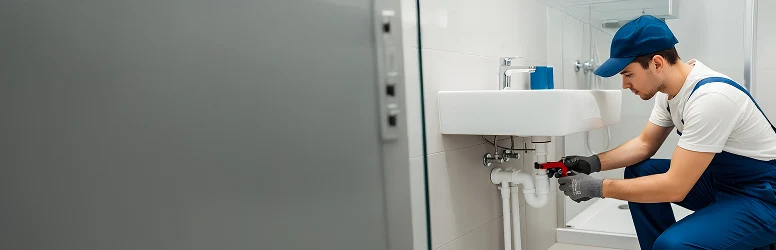
Submit a Claim

Go with the flow—not the flood.

Comprehensive coverage for pipes,
drains, and everything in between.

Explore Plumbing Coverage

Frequently Asked Questions

  • How long does a hot water tank typically last before needing replacement?

    The average lifespan of a hot water tank is around 8 to 12 years. Flushing the tank annually, replacing the anode rod when appropriate, and other preventive maintenance measures can boost the tank’s longevity to around 15 years.
     

  • Does homeowner’s insurance cover hot water tank repairs?

    Homeowner’s insurance is unlikely to cover hot water tank repairs unless the appliance is damaged in a fire or other accident. Insurance won’t pay out for problems that crop up from normal wear and tear. That is instead where home warranty coverage comes in.
     

  • Can flushing my tank improve performance and extend its lifespan?

    Yes, periodically flushing the hot water tank of sediment can extend its lifespan. With excess sediment buildup, water heater tanks can develop a number of issues that stress the component parts. Sediment may insulate the heating element, for example, making the appliance work harder and longer to bring the water up to temperature. This extra effort can result in premature appliance failure.
     

  • What's the difference between repairing a tank and a tankless water heater?

    There is some overlap between tank and tankless water heaters. Both feature thermostats, heating elements, and pressure relief valves, for instance. But tankless water heaters also have more advanced components like computer control boards, flow sensors, and heat exchangers. As a result, tankless water heaters can require more expensive and specialized repair.
     

  • What should I do if my hot water tank is leaking but still producing hot water?

    Even a small leak can be a sign of a serious issue, like worsening corrosion or a cracked tank. Neglected leaks can also lead to water damage and mold growth. Contact a pro if you notice water leaking from your hot water tank, even if it appears the appliance is otherwise working normally.
     

Liberty Home Guard
Need help?

Talk to our Liberty Home Guard Agents 24/7.

(855) 953-9695(855) 953-9695
Liberty Home Guard
Special Offer
GET QUOTE
Liberty Home Guard
Need help?

Talk to our Liberty Home Guard Agents 24/7.

(855) 953-9695