







Contemplating coverage?
Subscribe to receive our emails & get
$300 OFF!
Have questions?
Call us: (833) 544-8273


Expert-Reviewed Content: Guided by Editorial Standards

Written By Erin Easley
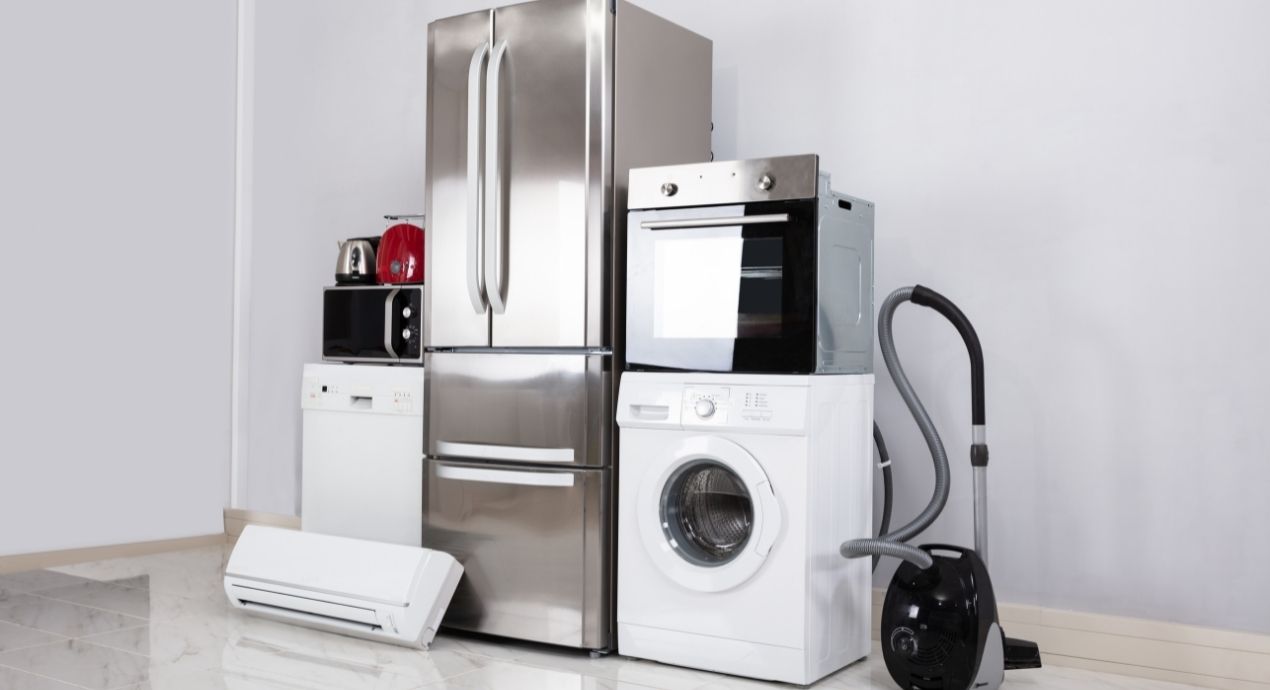
No matter how expensive, high-end, or well-built our home appliances and systems are at purchase, everything eventually requires repairs and replacements. We often take our home devices like washing machines, heaters, and refrigerators for granted, but what do we do when issues inevitably occur with age?
A damaged heater in the middle of winter can be a frustrating experience, especially when you have family members in the house. Homeowners should look for ways to ensure prompt repairs and maintenance for home devices and systems.
Given the high cost to replace appliances and the limited expected life of appliances, many homeowners choose to invest in a home warranty plan to cover contract work. How likely will you need one as well? What is the average lifespan of household appliances anyway, and what can you do to extend it?
There’s a reason Liberty Home Guard was rated the #1 Home Warranty Service by U.S. News and World Report for 2021, 2022, 2023, 2024, and 2026. Check out our services.
Learn MoreThe average lifespan of kitchen appliances varies based on how well you maintain your cooking equipment. The refrigerator and freezer, for instance, last a little over a decade.
Common problems include temperature problems or leaky door seals. You might even have a damaged fuse in extreme cases. Some maintenance tips include:
As for the stove and oven, expect 13 to 15 years for an electric or gas-powered range. Maintaining electric ovens involves cleaning the fan and filter regularly for grease and dirt. You may need to change the filter as well or consult the manufacturer’s instructions for more involved cleaning.
Gas ranges usually require the owner to clean the burners regularly with a solution of hot water and detergent. Use a stiff wire for the burner holes and avoid scouring powders and picks.
Finally, you have dishwashers and trash compactors. Unfortunately, these appliances last the shortest at less than ten years and are challenging to repair without professional assistance.
Expect dryers to last you 13 years and washers only slightly behind at ten years. Of course, you need to clean out the lint filter before each use, but don’t forget about the vent pipe behind the dryer as well as the motor and belt.
Just as important as the average lifespan of home appliances, home systems need repairs occasionally as well. Rarely are they easy to deal with, so consider a contractor.
For example, water heaters that power your morning showers and relaxing baths last, on average, ten years or slightly longer if they are electrical models. Maintenance usually means checking the pressure of the release valve and flushing it twice a year.
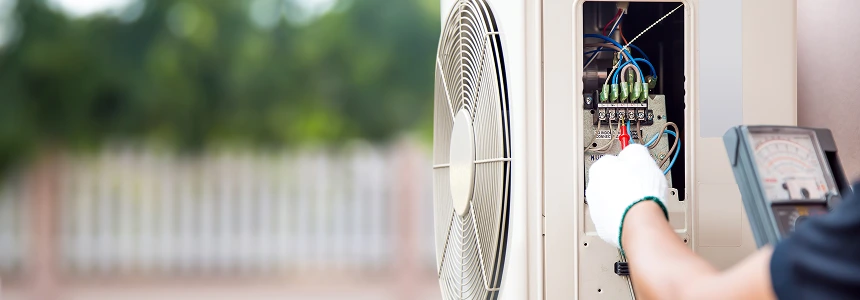
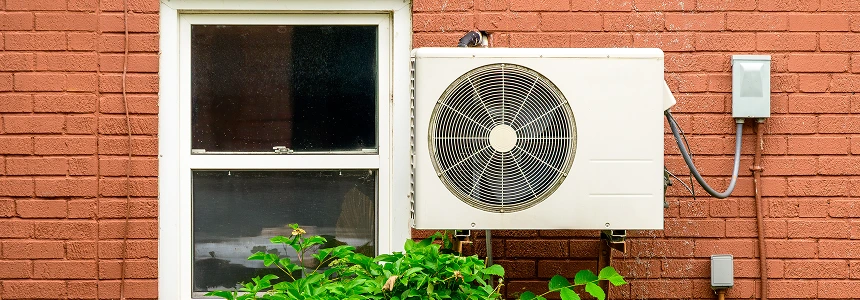
HVAC units (air conditioners and furnaces) may be difficult to fix, but they are thankfully some of the longest-lasting home systems, clocking in at around 20 years on average. Thermostats generally become technologically obsolete before they stop working.
Regardless of how well you maintain your appliances and systems, you will eventually have to find a contractor to make repairs and replacements, given the limited lifespan of major appliances.
Have you considered how you will pay for repairs? The average home repair costs are definitely considerable, but you can save money with a home warranty plan.
Such a plan differs from insurance, which guards against potential problems like fire damage and natural disasters. A home warranty covers wear and tear damage and ensures all your home devices stay operational. Should an issue come up, a pre-approved contractor will be at your door quickly.
Find the model and serial number on the appliance’s label, then check the manufacturer’s website or contact its support team. The serial number may identify when the unit was made, but the code varies by brand. Check the previous owner’s records or installation paperwork too. The manufacture date is a useful starting point; it may be earlier than the date the appliance was installed.
Start with a diagnosis and a written repair estimate. Compare that cost with a replacement, including installation and expected energy use. A repair may make sense if it fixes an isolated problem and the appliance otherwise works well. If breakdowns keep recurring, parts are hard to find, or the repair costs nearly as much as a new unit, replacement deserves a closer look.
A tankless water heater can last about 20 years, while the U.S. Department of Energy puts a typical storage water heater at roughly 10 to 15 years. Those are planning estimates, not expiration dates. Installation, water quality, use, and maintenance affect the result. If you’re comparing models, weigh the installed price and your household’s hot-water needs alongside lifespan.
Yes. An appliance lifespan chart gives a planning range, not a date when a working machine must be replaced. Some units last longer, while others fail earlier. Judge an older appliance by how safely and reliably it operates, how often it needs repairs, and what it costs to run. Its age tells you when to plan ahead, not necessarily when to buy a replacement.
List your major appliances, their approximate ages, and what replacement would cost, including installation or removal. Then prioritize items nearing their expected lifespan and set aside an amount you can manage each month. You don’t need to replace everything at once. The goal is to have a plan for the most likely expense before an urgent breakdown limits your choices.
Stay Ahead of Potential
Home Mishaps!
Subscribe to our Liberty Home Guard Newsletter and gain access to exclusive content that ensures your peace of mind.

Subscribe to receive our emails & get
Have questions?
Call us: (833) 544-8273
