








Contemplating coverage?
Subscribe to receive our emails & get
$300 OFF!
Have questions?
Call us: (833) 544-8273

Expert-Reviewed Content: Guided by Editorial Standards

Written By Angel Vallejo
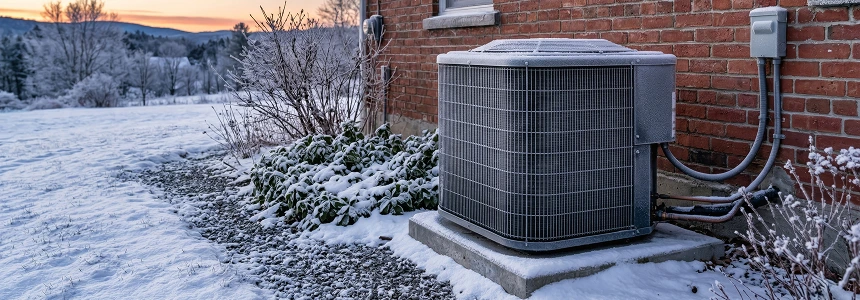
No, you generally should not cover your outdoor AC unit in the winter, and you should never cover a heat pump that is running. Outdoor units are built to sit through rain, snow, and ice. A full cover mostly adds trapped moisture and a cozy home for pests.
There is one useful middle ground. If falling debris or roof runoff is a problem, a rigid top shield that leaves the sides open protects the unit without choking its airflow.
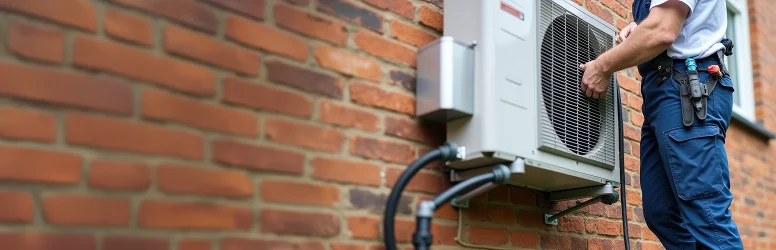
Your condenser lives outside by design. The cabinet, coil, and fan are made to handle rain, snow, and temperature swings year after year, so a winter without a cover is not a risk to them.
The bigger issue is airflow. An outdoor unit moves a lot of air across its coil, and wrapping it restricts ventilation and holds moisture against metal parts and electronics. Covering a unit that was designed to breathe usually creates the problem you were trying to prevent.
A tight cover traps condensation. That moisture sits against the coil fins and electrical components and can lead to rust, mold, and corrosion over a long winter.
A closed cover looks like a warm, dry shelter to mice and other rodents. Come spring, you may find nests in the cabinet and wiring that has been chewed.
If the breaker is left on and a mild spell triggers the system to run, a covered unit can overheat or trip its protections. A cover that stays on through a warm day is a hazard, not a safeguard.
A central AC condenser sits idle in winter. A heat pump does not. It heats your home through the cold months, which means its outdoor unit is working when you might be tempted to cover it.
According to NYSERDA guidance on winter heat-pump operation, a heat pump should not be covered in the winter because the outdoor unit needs airflow to extract heat from the air. In cold weather it also runs periodic defrost cycles, which NYSERDA says last about 5 to 15 minutes, to melt frost off the coil. A cover interferes with both.
If snow or roof runoff is a concern, skip the wraparound cover. Use a fixed top shield or snow guard that keeps the sides open, and keep the unit clear of leaves, snow, ice, and shrubs.
If you want to protect your unit, match the fix to the problem. Each of these keeps airflow open.
Elevate the unit above typical snow height so drifts do not bury it. Falling or freezing water landing directly on the unit can dramatically cut capacity and efficiency, so if roof runoff or icicles are an issue, add a top shield or awning that keeps the sides open. Maintain at least 24 inches of clear space around the unit.
Use a breathable, top-only cover, or a piece of plywood on spacers, to keep leaves out of the top of the unit during fall. Take it off once leaf drop ends.
Rinse the coil and cabinet periodically during the off-season to clear salt. Do not seal the unit. Ask your manufacturer or installer whether an approved coastal kit makes sense for your model.
Trim vegetation back, clear away nearby shelter materials like stacked wood or debris, and avoid wraparound covers that invite nesting.
These steps take less than an hour and do more than a cover will.
If a cover or shield stayed on all winter, give the unit a once-over before you ask it to run.
The best practice is to remove the unit, drain it, clean it, and store it indoors somewhere dry. That avoids moisture damage and keeps cold air from leaking in around it.
If removal is not possible, use a breathable exterior cover designed for window units and seal air gaps indoors. Skip a plastic wrap that traps moisture.
Good habits keep your system healthy, but they cannot stop every breakdown. If something fails when you fire up your AC in spring, Liberty Home Guard’s HVAC Guard plan is focused coverage for your furnace, central AC, and heat pump.
One feature homeowners ask about: HVAC Guard coverage can include pre-existing HVAC conditions, with no waiting period or inspection required, subject to contract limits and state variations.
To see exactly what is and is not covered, review our sample policy and limits, then compare home warranty plans to find the right fit. For more seasonal upkeep, see our year-round home maintenance checklist, and if your system is aging, read about the best time to replace an AC.
Always check your unit’s manual for model-specific winter guidance, since manufacturer recommendations can vary.
Generally no. Outdoor condensers are built for weather, and full covers can trap moisture and invite pests. If heavy debris is a concern, use top-only protection briefly.
Never cover a heat pump while it is operating in winter. It needs airflow and uses defrost cycles. Keep it clear of snow and roof runoff.
Snow around the base is usually fine if airflow stays open. Direct roof runoff or falling icicles can damage fins and fans, so use a rigid top shield or snow guard that keeps the sides open.
Clean off debris, keep 24 inches of clearance, and elevate the unit if drainage is poor. Add a breathable top-only cover during leaf drop, or a fixed awning under roof eaves. Do not wrap the unit.
Yes, if possible. Drain it, clean it, and store it indoors somewhere dry. If it must stay installed, use a breathable exterior cover and seal indoor gaps.
Manufacturer manuals vary. Blocking airflow or causing moisture damage can complicate claims, so check your model's manual and follow its guidance.
Stay Ahead of Potential
Home Mishaps!
Subscribe to our Liberty Home Guard Newsletter and gain access to exclusive content that ensures your peace of mind.

Subscribe to receive our emails & get
Have questions?
Call us: (833) 544-8273
