





Contemplating coverage?
Subscribe to receive our emails & get
$300 OFF!
Have questions?
Call us: (833) 544-8273

Expert-Reviewed Content: Guided by Editorial Standards

Written By Angel Vallejo
Older homes have a certain allure, but outdated infrastructure can make them especially prone to costly problems. If you live in an older home with wiring that has not been modernized, a little knowledge of your electrical system can help you keep costly repairs, frustration, and safety hazards in check.
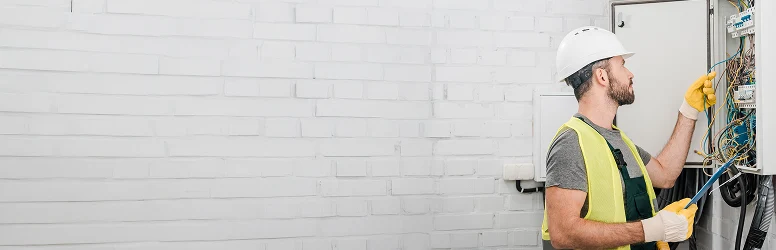
If your home dates to the mid-20th century or earlier, it’s possible that the electrical wiring doesn’t meet modern standards. Here are the types of wiring that were prevalent 50+ years ago and are still in homes today.
Old electrical systems can pose serious safety risks because of outdated technology, deteriorating materials, and the inability for old systems to manage the demands of modern appliances and lifestyles.
Fire is the most serious concern, and it’s one of the biggest aluminum wiring hazards in particular. Decades-old wiring tends to have loose connections, which makes the wires prone to overheating. This is doubly true when the system is working overtime to sustain the large electrical load of TVs, computers, kitchen and laundry appliances, and charging devices all running simultaneously. If the overheating wires come in contact with anything flammable, it can spark a fire.
Electrical shock is another hazard, particularly when the electrical system is missing a ground. Modern wiring uses a ground wire to send electrical current to the earth in the event of a fault. Without a ground, that current can run through a person instead.
You might be able to check if your home has outdated wiring by inspecting any parts of the house that have exposed wiring. These locations could include a crawlspace, garage, or unfinished attic or basement. Compare the wiring you see against images of aluminum wiring, knob-and-tube wiring, and mid-century armored cables and cloth-wrapped wiring.
If you can’t locate any exposed wiring, be mindful of persistent electrical problems that could suggest your system need updating. These include:
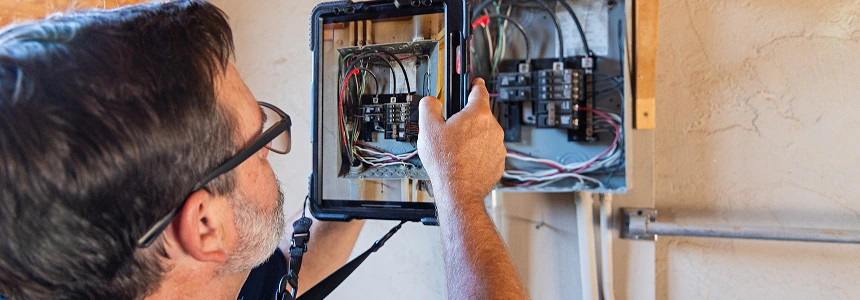
There are also some in-home electrical features that almost certainly point to outdated wiring. Modern electrical systems use three-prong outlets to accommodate the ground wire. If you have any two-prong outlets in your home, you should have your system assessed. You should also confirm that your electrical system includes a circuit breaker panel rather than an old-fashioned fuse box, which has been obsolete for decades. If your home still features a fuse box, you should inquire about an electrical panel upgrade and wiring update.
If you’re still in doubt about whether your electrical system is up to modern codes and standards, you can schedule an electrical inspection. A licensed electrician can assess the age and health of your system in no time.
Whether your home needs a full rewire or just some targeted upgrades depends on the type of wiring you have and its current condition.
A total rewire involves replacing all wiring throughout the home, and it is no small job. For an average single-family home, this could cost between $8,000 and $15,000, though this number inflates quickly for larger homes with more square footage and complicated layouts. When the job is complete, you will also need to replace any torn down drywall and repaint or reapply wallpaper. Many homeowners also choose to tackle additional home updates at the same time, since it makes sense to replace any outdated plumbing or insulation as long as the walls are open to run new wire. This makes a rewire part of a larger renovation project, and costs can balloon into the tens of thousands quite quickly.
If the wiring is in acceptable condition but specific components need attention, targeted updates may be appropriate. You could upgrade to GFCI outlets for a few hundred dollars per circuit, for example, or an electrician might be able to modernize your aluminum wiring by upgrading the connection sites and outlets with copper wire in a process called pigtailing. At $3,000 to $5,000 for a full upgrade, pigtailing isn’t necessarily cheap, but it is less expensive than replacing all wiring in the home.
Not every electrician is comfortable or familiar with working on outdated wiring systems. As you look for a qualified contractor, consider posing these questions:
Homeowner’s insurance covers sudden, accidental damage and, under normal circumstances, would pay out in the event of an electrical fire. If the home has a known issue with old wiring, however, insurance companies may decline to provide coverage or they may charge much higher premiums. If you know your home has old wiring and haven’t disclosed that information to your provider, your claim may be denied if an accident does occur.
A home warranty does not cover accidental damage but instead works as a service contract to repair and replace home equipment that breaks down. While a home warranty is unlikely to cover a total rewire, it can help you pay for minor repairs, panel issues, outlets, and switches, even if you live in an older home. Liberty Home Guard, for example, includes electrical system coverage as standard in our major plans, and it can help you prevent small issues from turning into large ones. To learn more, call (833)-543-7699.
Protect What’s Most Important With
Get A Free Quote
America’s #1 Home Warranty
For an average-sized home, a full rewire may take one to two weeks. Wall materials, complex layouts, greater square footage, and any concurrent renovations and repairs can add time to the project.
Adding a circuit to an old electrical system must be evaluated by an electrician on a case-by-case basis. Some systems might be able to handle the increased electrical load, but antiquated wiring types or already overloaded systems may create new hazards.
The state of the home’s electrical system can absolutely affect the home’s value. Electrical issues will be flagged during a home inspection, and buyers will expect a lower home price or other concessions. If the system is especially old, mortgage lenders and insurance companies may refuse services.
Refer to neighbors, realtors, and local social media to find highly rated electricians in your area. You can also search through your state’s licensing board or the National Electrical Contractors Association (NECA) directory.
Yes, wiring can overheat and pose safety hazards without ever tripping a breaker.
Stay Ahead of Potential
Home Mishaps!
Subscribe to our Liberty Home Guard Newsletter and gain access to exclusive content that ensures your peace of mind.

Subscribe to receive our emails & get
Have questions?
Call us: (833) 544-8273