








Contemplating coverage?
Subscribe to receive our emails & get
$300 OFF!
Have questions?
Call us: (833) 544-8273

Expert-Reviewed Content: Guided by Editorial Standards

Written By Ben Joseph
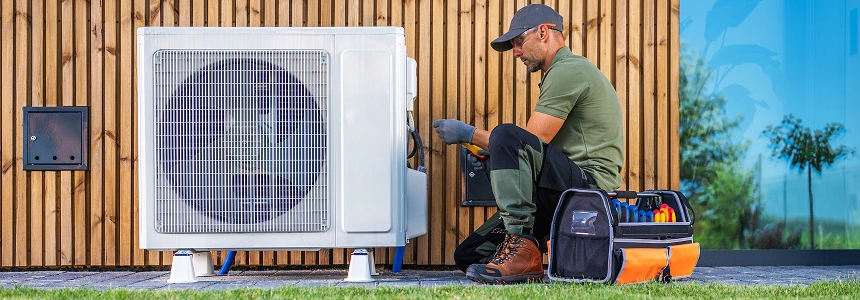
If you’re building a new home or revamping the HVAC system in your current home, you may be torn between installing a heat pump or traditional air conditioning system. Here are the pros, cons, and ideal use cases of each to make your decision easier.
Neither a heat pump nor air conditioner generates cool air. Both create a cooling effect by using refrigerant to remove heat from an indoor space and release it outdoors. The refrigerant flows through the system in a closed loop. It travels through an indoor evaporator coil in a liquid state to absorb heat. A compressor then pressurizes the refrigerant, turning it into a gas and raising its temperature. The gaseous refrigerant moves to an outdoor condenser coil where it can release its absorbed heat into the comparatively cool outdoor air, and the cycle begins again.
The key difference between the two systems is that a heat pump can perform this process in reverse. A specialized valve allows the refrigerant to travel in the opposite direction. This means the refrigerant can extract heat from the air outside, even in low temperatures, and release that heat indoors.
Depending on the type of heat pump, there might be more nuanced differences in how the systems are installed and whether they are paired with supplementary heating systems, but ultimately the ability to move heat in either direction is the heat pump’s key distinction.

Because heat pump cooling and traditional air conditioning work in the same way, the systems are virtually identical in cooling performance and efficiency. In most cases, you won’t find that one delivers more comfort than the other, or that one consumes less energy. A heat pump and air conditioner with the same Seasonal Energy Efficiency Ratio (SEER2) rating will use the same amount of energy to deliver the same amount of cooling.
The limitations of heat pumps and ACs are likewise comparable. In extreme heat north of 95°F, both systems begin to have a diminished cooling potential because it becomes harder to shed heat from the condenser coil into the already very hot air outside. Cost-saving strategies during a heat wave apply to both air conditioners and heat pumps.
The heat pump shows its advantages in the winter as opposed to the summer. When the weather gets cold, an air conditioner sits idle, and a furnace is typically used to heat the home. But a heat pump can move heat from the outside indoors, without burning gas or oil. This makes a heat pump remarkably more efficient.
Between the two systems, heat pumps tend to have higher sticker prices, but there are several factors that influence both short-term and long-term costs.
Deciding between a heat pump vs. air conditioner is largely dependent on your budget, climate, and the state of your HVAC system. Here are some key considerations as you weigh heat pump pros and cons:
For a greater ease of comparison, consider the two systems side by side.
System | Heat Pump | Air Conditioner |
Summer Cooling | Yes | Yes |
Winter Heating | Yes, but may need dual fuel supplementation | No; requires furnace or other heat source |
Upfront Cost | High ($8,000–$20,000+) | Moderate ($5,000–$15,000+) |
Ideal Climate | Mild winters | Any |
Annual Usage | Year-round | Warm season only |
Lifespan | 10–15 years | 15–20 years |
Maintenance Cycle | Semi-anually, in the spring and fall | Annually, in the spring |
Cooling Efficiency Rating | SEER2 | SEER2 |
Heating Efficiency Rating | HSPF2 | N/A |
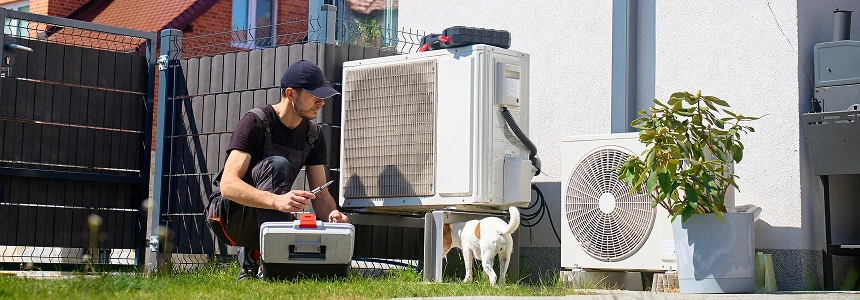
A licensed HVAC contractor can also help you determine the most appropriate cooling system for your home. As you reach out to local contractors for quotes and proposals, consider asking some of the questions below.
Whether you ultimately opt for a heat pump or a standard air conditioner, you need to be prepared for the possibility of a breakdown at some point due to general wear and tear. That time might come sooner with a heat pump because of the alternate heating and cooling demand over the course of the year. A breakdown is never a pleasant surprise, but warranty coverage can mitigate some of the annoyance because it will protect you from steep repair costs. Learn more about Liberty Home Guard’s top-rated HVAC coverage by calling (833)-543-7699.

You’ll need a professional load calculation to determine the right size heat pump for your home. A very general rule of thumb is 12,000 BTUs per 600 square feet, but there are many factors to consider, including insulation, climate, ductwork, ceiling height, and more.
In areas with cold winters, a heat pump may need a backup heat source. Dual fuel heat pumps solve this problem by using heat strips or a furnace to provide supplemental heat on demand. In places with mild winters, a heat pump can deliver enough heat to keep a home comfortable.
Because heat pumps run year-round, they take on more wear and tear than a traditional AC system. A heat pump’s lifespan is around 10 to 15 years, while an air conditioning system can last about five years longer, on average. Of course, preventive maintenance and routine service checkups can increase the system’s longevity.
Not any more. While heat pumps did previously qualify for a tax credit on federal returns, the credit expired on December 31, 2025.
No, heat pumps are not typically any louder than air conditioning systems. The two systems use the same process to create a cooling effect indoors, so sound levels are about the same.
Stay Ahead of Potential
Home Mishaps!
Subscribe to our Liberty Home Guard Newsletter and gain access to exclusive content that ensures your peace of mind.

Subscribe to receive our emails & get
Have questions?
Call us: (833) 544-8273
