




Contemplating coverage?
Subscribe to receive our emails & get
$300 OFF!
Have questions?
Call us: (833) 544-8273

Expert-Reviewed Content: Guided by Editorial Standards

Written By Ben Joseph
A garbage disposal is one of the cheapest appliances in your kitchen and one of the most expensive to ignore. Most homeowners never think about the unit under the sink until it hums, leaks, or quits mid-cleanup. Then the quotes start coming in, and the numbers rarely match what people expect.
So let’s put real figures on the table.

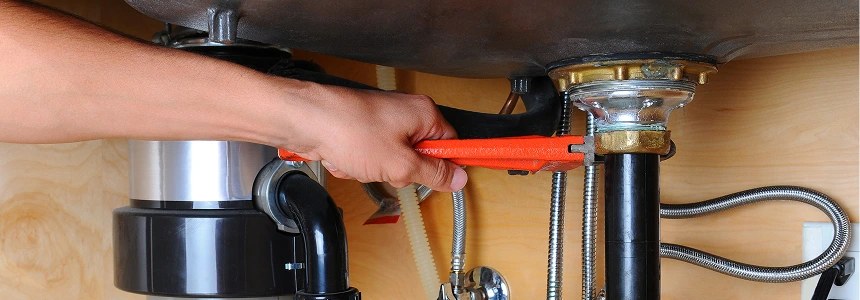
The garbage disposal installation cost for labor alone runs between $138 and $272 nationally, with most homeowners paying around $194, according to Thumbtack data. Simple swaps land as low as $74. Complicated jobs that require new wiring or plumbing reroutes climb to $453 or more.
Add the unit itself and the total picture changes. NerdWallet reports a full replacement averages about $550, with a range of roughly $200 to $625 based on Angi data. Our own service data puts most straightforward replacements between $150 and $400 for the unit and professional installation combined.
Why the spread? Three variables drive almost all of it: the disposal you choose, the condition of what sits under your sink right now, and who turns the wrench.
Cost Component | Typical Range |
Labor only | $138 to $272 |
Low-end labor (direct swap) | $74 |
High-end labor (new plumbing or electrical) | $453 |
Disposal unit | $80 to $200+ |
Full replacement, all in | $200 to $625 |
The unit you pick sets the floor for everything else.
Continuous feed models run $80 to $200 and account for the majority of residential installations. You flip a switch, run water, and feed scraps in as you go. The tradeoff is exposure. Silverware, bottle caps, and stray metal find their way into the chamber and damage the grinding components.
Batch feed models cost more. They require a stopper lid to activate, which prevents debris and fingers from reaching the blades. Households with young children often decide the premium is worth it.
Horsepower matters just as much as feed type. A 1/3 HP unit handles light use in a one or two person household. A 1/2 HP unit covers most families and represents the sweet spot for price and performance. The InSinkErator Badger 5 1/2 HP sits at the affordable end of that tier and remains one of the most commonly installed models in American kitchens. Step up to 3/4 HP or 1 HP and you gain grinding power for larger households and tougher waste, but expect the unit price to climb accordingly.
Material affects longevity too. Stainless steel components resist corrosion and outlast aluminum, which leaks and pits over time. Paying more upfront for stainless steel usually costs less across the life of the appliance.
Plumbers price by complexity, not by appliance.
A direct replacement where the new unit matches the old footprint takes under an hour. The drain lines already exist. The electrical connection already works. That job sits at the bottom of the range.
Now consider a first-time installation in a kitchen that never had a disposal. Your plumber has to modify the sink drain assembly. An electrician may need to run a dedicated circuit and add a switch. Some homes require a new outlet under the cabinet. Those additions push the total well past the national average cost to install a garbage disposal.
Older homes create their own surprises. Corroded pipes crumble when disturbed. Dishwasher connections need adapting. Cabinet space that fit a 1/3 HP unit in 1994 may not clear a 3/4 HP unit today.
Timing plays a role as well. Emergency weekend calls carry premium rates. Scheduling the work during normal business hours saves money every time.
Knowing which job you actually need prevents overpaying.
Garbage disposals last 10 to 12 years with reasonable care. Persistent slow drainage, foul odors that survive cleaning, water pooling under the cabinet, and grinding noises that sound mechanical rather than normal all point toward the end of a unit’s service life. Our guide on when to replace a garbage disposal walks through each warning sign in detail.
Age should guide the decision. Under five years, repair almost always wins. Between five and ten years, weigh the repair cost against a new unit. In the past ten years, replacement usually costs less than chasing failures one at a time.
Maintenance changes the math too. Disposals that get flushed regularly and stay free of grease buildup reach the far end of their expected lifespan. A few minutes of upkeep each month delays a $400 replacement by years, and our garbage disposal cleaning tips cover the routine that actually works.
Sticker price is only part of the story.
A service technician charges $100 or more just to show up and diagnose the problem. That fee applies whether the fix takes ten minutes or the unit turns out to be dead. Add hourly labor and parts, and a single repair visit reaches $500 without much effort.
Then there is the collateral damage. A leaking disposal soaks the cabinet floor, warps the base, and invites mold. Homeowners who wait often pay for cabinetry work on top of the appliance itself.
None of that shows up in an online cost calculator.
Yes, and this is where the arithmetic shifts in your favor.
Consider how often this comes up. Liberty Home Guard members filed more than 1,500 garbage disposal claims in 2025, according to our internal claims data. That is one appliance category, in one year. Disposals fail in ordinary kitchens without much warning, and each of those homeowners paid a service call fee instead of absorbing a $550 replacement.
Our Appliance Guard and Total Home Guard plan includes garbage disposal coverage as standard. When your unit fails from normal wear and tear, you file a claim, pay a modest service call fee, and we handle the rest. An authorized contractor assesses the problem and either repairs the disposal or replaces it.
Compare that to the alternative. A $550 out-of-pocket replacement versus a service call fee is not a close contest.
A manufacturer garbage disposal warranty helps, but only within limits. Most cover defects in materials for a set period and exclude labor entirely. They also expire. A home warranty covers the appliance for as long as your plan stays active, and it covers the labor that manufacturer terms leave out. Every appliance repair we authorize carries our 365-day workmanship guarantee, so the fix holds.
The savings compound across your home. Your disposal is one appliance. Your plan protects the refrigerator, range, built-in microwave, dishwasher, laundry appliances, and major systems on the same terms.
Every garbage disposal in every kitchen will eventually fail. That is not pessimism. That is a mechanical appliance with a 10 to 12 year lifespan doing exactly what mechanical appliances do.
The homeowners who handle it well are the ones who decided in advance how they would pay for it.
Explore Liberty Home Guard plans and see what comprehensive coverage costs for your home. Our team is ready when you are.
A straightforward replacement takes 30 minutes to an hour. The plumber disconnects the old unit, mounts the new one to the existing sink flange, and reconnects the drain and power. First-time installations take longer, sometimes three hours or more, because the job includes new drain work and often electrical work that did not exist before.
You can, and plenty of homeowners do. A direct swap of a same-size unit is within reach if you are comfortable working with both plumbing connections and a live electrical circuit. Skipping labor charges saves you real money. The risk sits in the details. A misaligned mounting ring leaks slowly for weeks before you notice the damage, and a wiring mistake creates a shock hazard under a wet sink. If the job requires new circuits or drain modifications, hire a licensed pro.
Match horsepower to household size. One or two people generate light waste and do fine with a 1/3 HP unit. Families of three or four should start at 1/2 HP. Households of five or more, or anyone who cooks heavily and processes vegetable scraps and small bones, will get better performance and fewer jams from 3/4 HP or 1 HP. Buying more power than you need wastes money. Buying less shortens the unit's life.
Not meaningfully. Disposals draw power in short bursts and add a few dollars per year to your electric bill at most. Water use runs about the same. The real savings come from avoiding clogged drain lines and the plumbing calls that follow them, which cost far more than the electricity ever will.
No. Homeowners insurance responds to sudden accidental events like fire, storms, and burst pipes. A disposal that fails after a decade of grinding food has worn out, and insurers classify that as normal wear and tear. That gap is exactly the one a home warranty fills.
Stay Ahead of Potential
Home Mishaps!
Subscribe to our Liberty Home Guard Newsletter and gain access to exclusive content that ensures your peace of mind.

Subscribe to receive our emails & get
Have questions?
Call us: (833) 544-8273