





Contemplating coverage?
Subscribe to receive our emails & get
$300 OFF!
Have questions?
Call us: (833) 544-8273

Expert-Reviewed Content: Guided by Editorial Standards

Written By Ryan Merchant
A generator transfer switch is a device that connects a generator directly to your home’s electrical panel, so it can safely power hardwired circuits without the risk of backfeeding electricity into the utility grid. According to the U.S. Energy Information Administration, the average American experiences 1.3 power outages per year, lasting approximately 3.5 hours each. For homeowners dealing with aging wiring or common home electrical problems, that stretch of downtime is more than an inconvenience. It can mean a warm refrigerator, a cold house, or a flooded basement if a sump pump loses power.
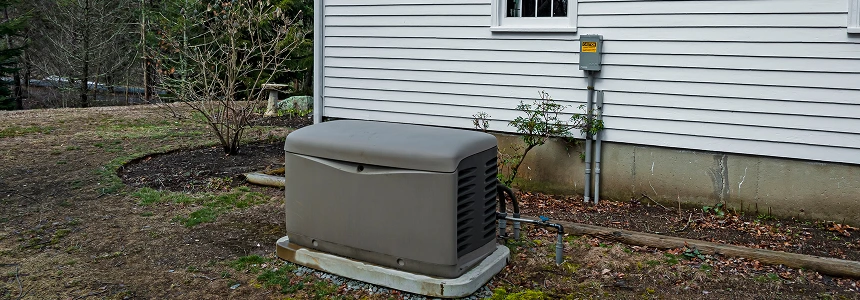
Portable generators are simple to use for small loads. You plug a lamp, a space heater, or a laptop charger straight into an outlet on the unit. But your home’s hardwired systems, such as your heating system, water heater, well pump, and sump pump, do not have plugs. Powering these systems during an outage requires a generator transfer switch installation.
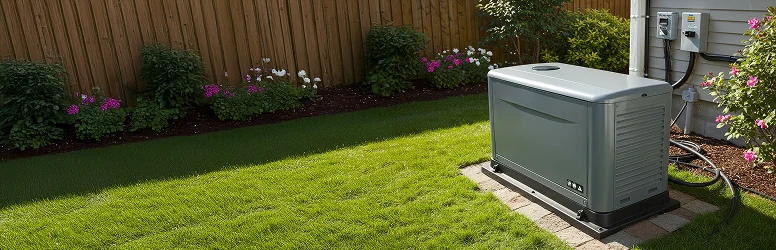
If a transfer switch is installed incorrectly, or if a generator is connected without one, there is a risk of backfeeding. Backfeeding happens when power surges out of your home and back into the utility lines. This can cause fires in the home and at points in the electrical utility system, and it puts line workers in danger as they try to restore power during an outage.
The National Electrical Code (NEC),Article 702, mandates the use of listed transfer equipment for all optional standby power systems to prevent parallel connection to the utility grid. This means a transfer switch is not just a convenience feature. It is the code-compliant way to connect a generator to your home’s wiring.
Does a generator need a transfer switch? Yes, under the NEC, any generator connected to a home’s wiring needs a transfer switch to prevent backfeed. Backfeeding creates an electrocution risk for utility workers and a fire hazard inside the home. Plugging a generator directly into a wall outlet to power your house is illegal in most jurisdictions and extremely dangerous.
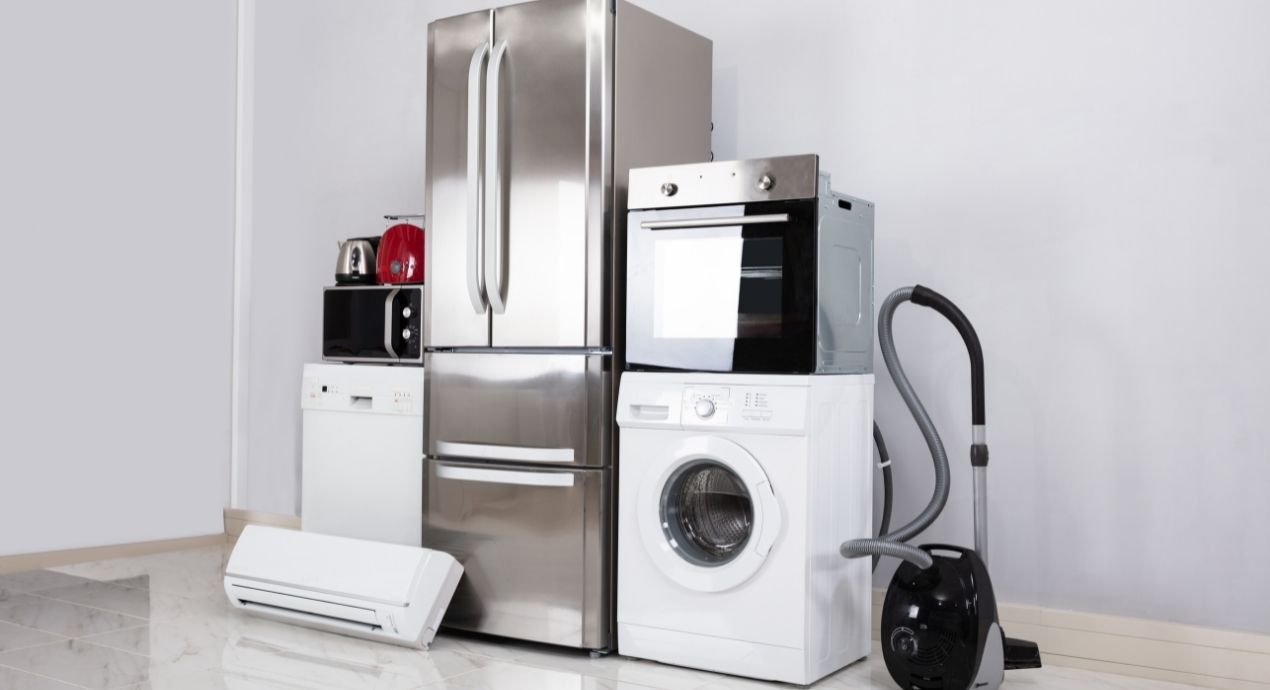
Hardwired systems and appliances need a transfer switch because they cannot be unplugged and connected to a portable generator directly. Appliances that typically require a transfer switch include:
Portable appliances are the exception. Most refrigerators, for example, plug into a standard wall outlet, so you can unplug the fridge and connect it to a portable generator with an extension cord. Knowing how long your refrigerator lasts can help you decide whether backup power for it is worth prioritizing during a short outage.
There are three main types of generator transfer switches, each suited to different budgets and generator setups.
A manual transfer switch for generator use has to be triggered by hand to alternate between utility power and generator power. Homeowners with portable generators that are hardwired into the home typically use manual switches. They are common because they cost less than automatic systems and are commonly installed near the main electrical panel, where they can power selected hardwired circuits such as a well pump or heating system.
An automatic transfer switch, or ATS, triggers by itself when it detects an outage in utility power. This type of switch is standard for permanent standby generators. An automatic transfer switch installation also handles the return trip: once utility power is restored, the ATS detects it and automatically switches the load back to the grid, then signals the standby generator to shut down. This auto-return behavior is what makes standby systems essentially hands-off during an outage.
An interlock kit is a mechanical safety device installed directly in the main electrical panel. It physically prevents the main breaker and a generator breaker from being switched on at the same time, which blocks backfeed the same way a transfer switch does. Interlock kits cost less than a dedicated transfer switch panel and are a popular option for homeowners with portable generators who want code-compliant backfeed protection without the expense of a full transfer switch installation.
Transfer switch amperage needs to match your generator’s output and the circuits you plan to power.
If you have limited electrical experience, it is best to hire an electrician who can install generator transfer switch wiring and hardware correctly. The work involves live electrical panels and carries real safety risk. But if you have electrical know-how, take proper safety precautions, and secure any required permits, you can install a transfer switch with the right tools and equipment.
Always defer to expert guidance, local code, and manufacturer instructions for your specific generator and switch, but a transfer switch install generally follows the sequence below.
Before you buy a switch, compare your generator’s rated running watts and surge watts against the circuits you want to power. Surge watts and run watts are different generator ratings, and some appliances, especially those with motors, draw significantly more power at startup than during steady operation. Undersizing your switch or generator for surge loads is one of the most common reasons a transfer switch installation fails at testing.
Troubleshooting: If the transfer switch does not engage after setup, check that the generator is actually producing power, confirm the main breaker is fully off, and verify the inlet box connection is fully seated. Loose connections at the inlet box are the most common cause of a switch that will not energize.
Power flows through a generator transfer switch installation in a consistent path. The portable generator connects to the power inlet box mounted on the exterior wall. A cable runs from that inlet box, through the wall, to the transfer switch mounted near the main panel. From the transfer switch, individual circuits connect to their matching breakers in the main electrical panel. When the switch is engaged, generator power flows through this path to the selected circuits instead of utility power, and the two sources are never connected at the same time. Understanding this wiring path is useful even without a diagram, since it explains why every component, from the inlet box to the panel breakers, has to be rated for the same amperage.

A homeowner can install a generator transfer switch in many jurisdictions, provided the work meets NEC guidelines and any required local permits are obtained. That said, the work involves wiring a live electrical panel, and mistakes carry a real risk of backfeed, fire, and electrical shock. Most licensed electricians recommend hiring a professional for this specific job.
Most jurisdictions require a permit for a generator transfer switch installation because it involves modifying your home’s electrical system. An inspector typically verifies the work meets NEC standards before signing off. Skipping this step can affect your home insurance claims and resale disclosures, so check with your local building department before starting the project.
Key points to know about permits:
Switch Type | Kit Cost | Labor Cost | Total Installed |
Basic manual (6-circuit) | $150 to $300 | $100 to $200 | $250 to $500 |
Standard manual (10-circuit) | $200 to $400 | $150 to $300 | $350 to $700 |
Automatic transfer switch | $400 to $900 | $300 to $600 | $700 to $1,500 |
Whole-home automatic (200A) | $800 to $2,000 | $500 to $1,000 | $1,300 to $3,000 |
Excluding the cost of the generator itself, a simple manual transfer switch install can often be completed within a $500 budget. A more complex automatic or whole-home switch, hardwired by a professional for a larger generator, can run to $2,000 or more.
Power outages cost the U.S. economy between $25 billion and $70 billion annually, according to FEMA, which is part of why more homeowners are investing in reliable backup power and professional installation rather than risking a DIY error. Protecting that investment is also where home warranty plans can help, since coverage can offset repair costs if a component fails after installation.
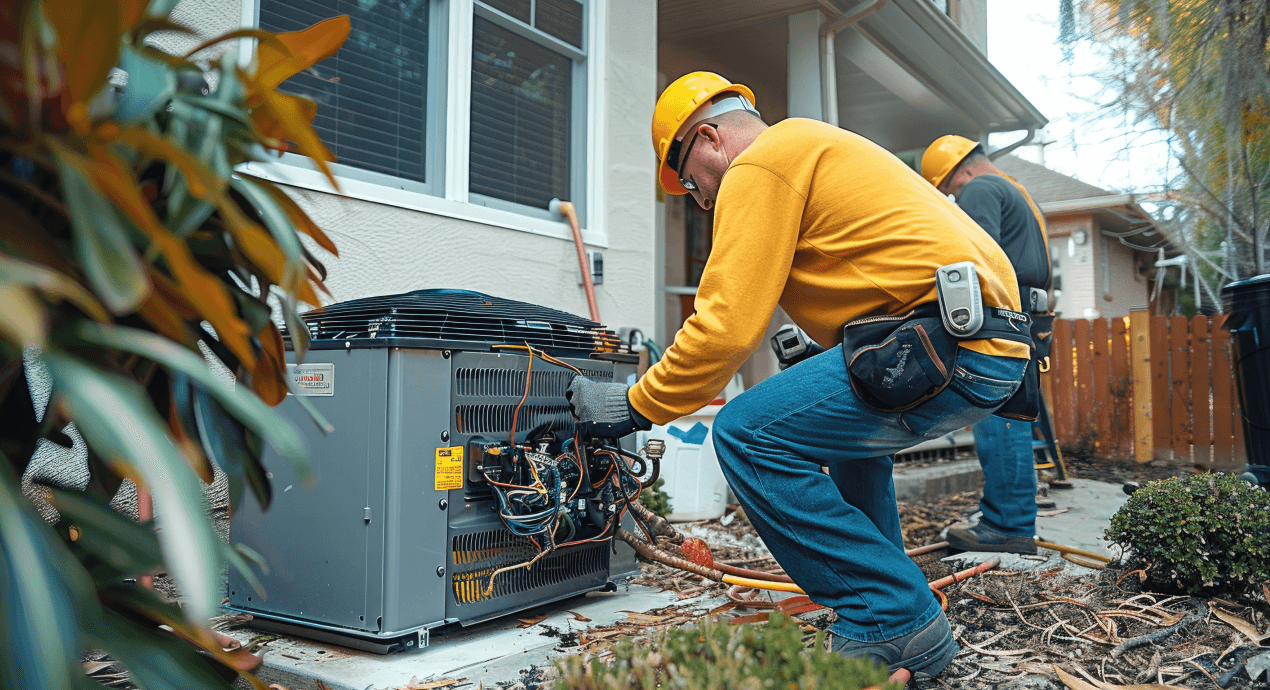
Hiring a licensed electrician to install a generator transfer switch is the safer choice for most homeowners, and it directly addresses the biggest risks of a DIY installation:
A licensed electrician also carries insurance for their work, which protects you if something goes wrong after installation.
Yes. You have to turn off the main breaker before switching to generator power. This prevents live utility power from being present in the panel at the same time as generator power, which avoids a dangerous voltage conflict between the two sources and protects against backfeed into the grid.
Routine maintenance keeps a transfer switch reliable when you actually need it during an outage. Protecting your generator with generator warranty coverage can also help ensure a covered component gets repaired or replaced quickly if a problem develops.
Yes, in many jurisdictions a homeowner can install a transfer switch, provided the work meets NEC guidelines and any required permits are obtained. The job involves wiring inside a live electrical panel, and errors carry real risk of backfeed and shock, so most homeowners still choose to hire a licensed electrician for this work.
Total installed cost ranges from about $250 for a basic manual switch to $3,000 for a whole-home automatic 200A system. Most homeowners pay between $350 and $1,500 depending on switch type, generator size, and local labor rates. Kit cost and professional labor are typically listed separately by electricians.
Yes. The NEC requires a listed transfer switch for any generator connected to a home's wiring to prevent backfeed into utility lines. Backfeeding creates an electrocution risk for utility workers and a fire hazard in the home. Plugging a generator directly into a wall outlet to power your house is illegal and dangerous.
Yes. The main breaker must be turned off before switching to generator power. This keeps live utility power out of the panel while the generator is running, which prevents a dangerous voltage conflict between the two power sources and protects against backfeed.
Stay Ahead of Potential
Home Mishaps!
Subscribe to our Liberty Home Guard Newsletter and gain access to exclusive content that ensures your peace of mind.

Subscribe to receive our emails & get
Have questions?
Call us: (833) 544-8273