







Contemplating coverage?
Subscribe to receive our emails & get
$300 OFF!
Have questions?
Call us: (833) 544-8273

Expert-Reviewed Content: Guided by Editorial Standards

Written By Angel Vallejo
Your roof takes more abuse than almost any other part of your home: sun, wind, rain, hail, ice, and the occasional fallen branch. A regular roof inspection is one of the simplest ways to catch small problems before they turn into expensive repairs. This guide walks you through what a roof inspection covers, how to do one safely, what professionals do differently, and how to decide your next steps if you find a problem.
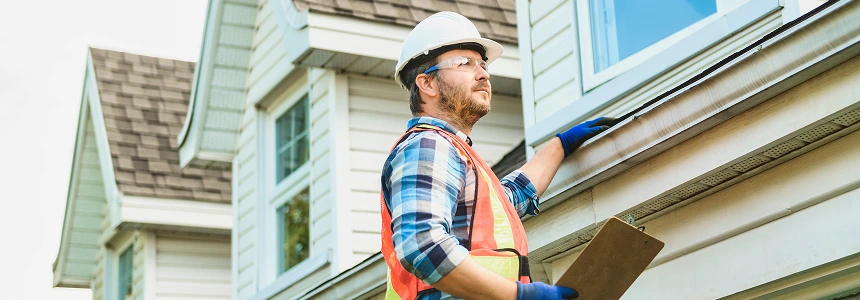
A roof inspection is a systematic look at your roof’s condition, both outside and in. It typically includes:
Homeowners can safely handle a lot of this from the ground or a ladder. Walking the roof surface itself, using specialized equipment like infrared cameras, or diagnosing structural issues is usually best left to a professional, especially on steep, wet, or fragile roofing materials.
Before you grab a ladder, it’s worth understanding the safety guardrails professionals follow. According to OSHA, an initial roof inspection to determine what work is needed generally does not require fall protection if no construction work is underway, but once any repair or construction operation begins, every worker exposed to a fall hazard must be protected under OSHA’s fall protection standards (Subpart M). The same caution applies to homeowners: looking is one thing, working on the roof is another.
If a contractor is doing more than a visual inspection (repairing flashing, replacing shingles, or any other construction-type work),fall protection requirements kick in. If you’re hiring someone for inspection and repair work in the same visit, it’s reasonable to ask how they’re addressing fall protection for the repair portion.
The Texas State Office of Risk Management (SORM) recommends inspecting each roof at least once a year, increasing frequency for roofs with higher exposure conditions, and inspecting both before and after severe weather warnings. That guidance is a good baseline for any homeowner, regardless of location.
A basic DIY inspection doesn’t require much equipment:
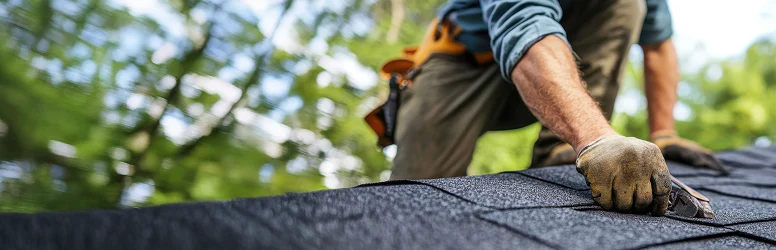
Start with binoculars and walk the perimeter of your home. Look for:
What you’re looking for varies by roofing material:
Also check flashings around chimneys, skylights, vents, and wall transitions for gaps, rust, or uplift, and inspect roof penetrations like plumbing boots for cracking, brittleness, or failing sealant.
Grab a flashlight and head to the attic:
Pro tip: Keep a simple log as you go. For each elevation (front, back, left, right) and component (shingles, flashing, gutters),note the condition and snap a date-stamped photo. This makes it far easier to track changes over time or share with a contractor later.
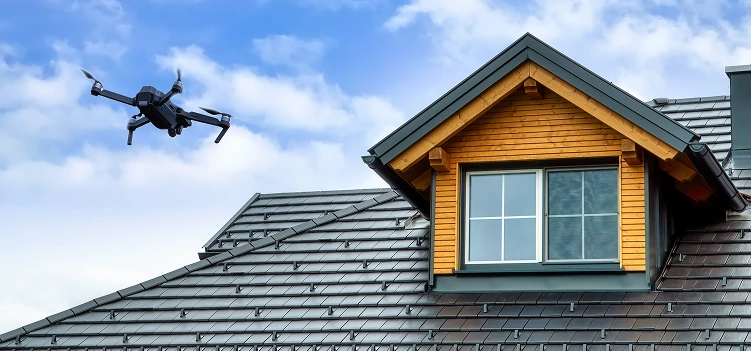
Professional roof inspectors combine traditional and modern methods:
Look for a licensed and insured roofer or inspector, and don’t hesitate to ask about training, certifications, and references. Licensing rules can vary by state and sometimes get specific. In California, for example, C-39 roofing contractors are exempt from certain unfair business practice provisions when different employees handle the inspection versus the repair, a reminder that the rules around who inspects and who repairs aren’t always uniform from state to state. It’s worth understanding your local requirements, or simply asking your contractor how they’re structured.
For context on the trade itself, the U.S. Bureau of Labor Statistics reports a median annual wage for roofers of $50,970 as of May 2024, with employment projected to grow 6% between 2024 and 2034 and about 12,700 average annual job openings. Most roofers learn through moderate-term on-the-job training rather than formal education requirements, which is exactly why checking credentials and references matters.
A solid professional inspection should leave you with:
Roof inspection pricing varies too widely by region and scope to quote a single number with confidence, but a few factors consistently drive the cost:
It’s worth getting two or three quotes, not just to compare price, but to compare what’s actually included in the inspection and report.
Date-stamp your exterior and attic photos, label them by elevation, and itemize every issue you find, even minor ones. This record is useful for your own maintenance planning and, if needed, for insurance or warranty claims.
Not every issue needs immediate attention. A reasonable order of operations:
It helps to understand which protection applies to which situation:
Understanding which bucket a given problem falls into can save you a lot of frustration when it’s time to file a claim or request service.
Regular inspections go a long way toward catching problems early, but not every leak can be prevented, and repairs aren’t always cheap. Liberty Home Guard offers optional roof leak warranty coverage that can help offset the cost of qualifying roof leak repairs, subject to your plan’s terms, limits, and exclusions.
It’s worth being clear about what a home warranty does and doesn’t do: it’s designed to complement your homeowners insurance, not replace it. Insurance is generally there for sudden, accidental damage; a home warranty with roof leak coverage is built to help with the kind of wear-related leaks that often fall outside a standard insurance policy. If you’re weighing your options, our guide to the best home warranty with roof coverage is a good next stop, and our team can walk you through eligibility and coverage details for your specific home.
There’s a reason Liberty Home Guard was rated the #1 Home Warranty Service by U.S. News and World Report for 2021, 2022, 2023, 2024, and 2026. Check out our services.
Learn MoreAt least once a year, according to the Texas State Office of Risk Management, with additional inspections before and after severe weather. Many homeowners find a spring-and-fall routine works well.
Yes, from the ground or a ladder, using binoculars or a drone, while following the same safety logic professionals do. Avoid walking steep, wet, brittle, or visibly damaged roofs, and call a pro if you're unsure.
Surface damage specific to your roofing material, flashing and penetration issues, gutter and drainage condition, attic leaks and ventilation, and signs of storm damage like hail bruising or wind-lifted shingles.
Typically 45 to 120 minutes, depending on roof size and complexity, and whether the attic and a full written report are included. Drone or infrared scans can add time.
It depends on roof size, pitch, material, access, your region, and whether drone or infrared technology is used. Getting two or three quotes, and comparing what each report includes, is the best way to gauge fair pricing for your home.
Drones capture high-resolution imagery quickly and safely, and many professionals pair them with close-up visual exams and infrared scanning for moisture detection.
It helps, especially for attic access and reviewing findings in person, but coordinate with your inspector; some exterior-only inspections don't require you to be present.
Many home warranties, including Liberty Home Guard's optional add-on, may offer coverage for qualifying roof leaks, subject to plan terms, limits, and exclusions. Review your contract details or contact Liberty Home Guard to confirm eligibility for your home.
You should receive a written summary with photos and a prioritized list of repairs or maintenance items. Address active leaks first, then flashing and drainage issues, then general surface wear.
Stay Ahead of Potential
Home Mishaps!
Subscribe to our Liberty Home Guard Newsletter and gain access to exclusive content that ensures your peace of mind.

Subscribe to receive our emails & get
Have questions?
Call us: (833) 544-8273