





Contemplating coverage?
Subscribe to receive our emails & get
$200 OFF!
Have questions?
Call us: (833) 544-8273


Expert-Reviewed Content: Guided by Editorial Standards
¿Prefieres español? Lee este artículo en español
A home warranty is a service contract that covers the repair or replacement of major home systems and appliances due to normal wear and tear. Also called a home warranty policy or service agreement, it typically runs on a one-year term and renews annually.
Over 5.6 million American households are currently protected by home service contracts, according to the National Home Service Contract Association.
In a real estate transaction, a home warranty is commonly offered by the seller as an incentive or negotiated into the purchase agreement. It provides the buyer with immediate coverage on the home’s systems and appliances from the day of closing, which is especially valuable when the buyer has no history with the home’s equipment. In many cases, sellers can transfer a home warranty from seller to buyer as part of the closing process.
Liberty Home Guard is a licensed home warranty provider. Coverage details vary by plan and state; always review your specific service agreement for full terms.
There’s a reason Liberty Home Guard was rated the #1 Home Warranty
Service by U.S. News and World Report for 2021, 2022, 2023, and 2024. Check out our services.
A home warranty and homeowners insurance protect your home in very different ways. Understanding the distinction prevents gaps in coverage. For a deeper comparison, see our guide on home warranty vs. homeowners insurance.
A home warranty is a service contract that covers repairs and replacements of home systems and appliances that break down due to normal wear and tear.
Homeowners insurance is an insurance policy that protects against damage from unexpected events like fires, storms, theft, and liability claims.
Key Differences:
When a covered system or appliance breaks down, you contact your warranty provider to open a home warranty claim. The provider handles the logistics of finding a qualified technician and covering the approved repair or replacement cost. Here is how the process works from start to finish.
If a repair cost exceeds your coverage cap for that item, you are responsible for the difference. For example, if your HVAC coverage limit is $2,000 and the repair costs $2,500, you would owe $500. If a claim is disputed, most providers have a formal review process where you can submit documentation, request a second opinion, or escalate to a supervisor. Reviewing your service agreement before you need to file a claim is the best way to understand how disputes are handled under your specific policy.
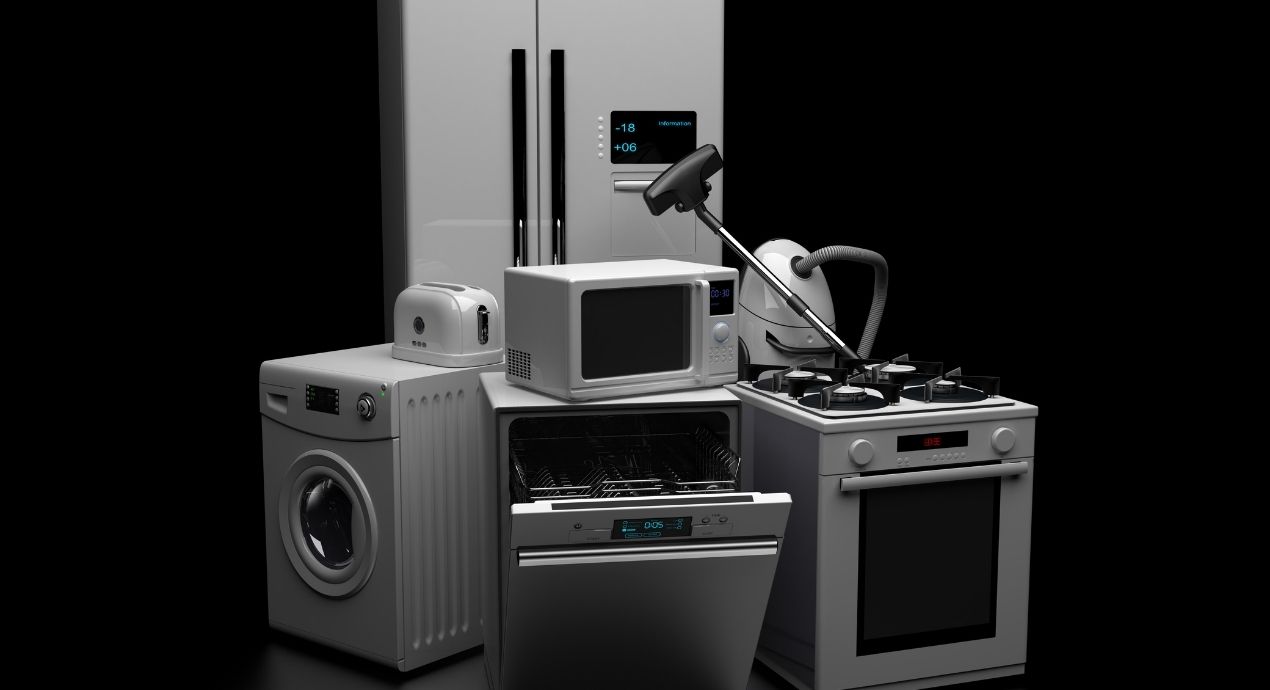
Home warranties cover a wide range of items, and understanding what a home warranty covers helps you choose the right plan. Most providers offer separate plans for systems, appliances, or a combination of both, with optional add-ons for specialty items.
You can expand your coverage with optional add-ons for ultimate customization. Available add-ons at Liberty Home Guard include: pool and spa, additional spa, lawn sprinkler system, saltwater pool, generator, casita guest unit, electronics protection, TV mounting, pro-series appliances, central vacuum, stand-alone freezer, water softener, swamp cooler, second refrigerator, trash compactor, in-fridge ice maker, free-standing ice maker, wine cooler, water dispenser water line, instant hot water dispenser, reverse osmosis system, limited roof leak, re-key services, gutter cleaning, pest control, window washing, exterior flooring power washing, plumbing and lighting fixtures, sump pump, well pump, ejector pump, and grinder pump.
Every home warranty plan is a little different, so comparing plan tiers is important. At Liberty Home Guard, we offer three plan tiers:
Appliance Guard | Systems Guard | Total Home Guard | |
Air conditioning | ✓ | ✓ | |
Heating | ✓ | ✓ | |
Ductwork | ✓ | ✓ | |
Plumbing | ✓ | ✓ | |
Electrical | ✓ | ✓ | |
Water heater | ✓ | ✓ | |
Clothes washer/dryer | ✓ | ✓ | |
Refrigerator | ✓ | ✓ | |
Built-in microwave | ✓ | ✓ | |
Dishwasher | ✓ | ✓ | |
Garbage disposal | ✓ | ✓ | |
Range/oven/cooktop | ✓ | ✓ | |
Ceiling and exhaust fans | ✓ | ✓ | |
Garage door opener | ✓ | ✓ |
Ready to compare plans side by side? View our home warranty plans.
Home warranties cover breakdowns from normal use, but they do not cover everything. Understanding the exclusions helps you set realistic expectations and avoid surprises at claim time.
Common exclusions include:
A home warranty is not the right fit for every homeowner. However, several situations make coverage a strong choice.
No, home warranties aren’t required. They are entirely optional service contracts that homeowners choose based on their financial situation and risk tolerance. Mortgage lenders do not require home warranties as a condition of financing, though some lenders or real estate agents may recommend them.
Home warranties are regulated at the state level as service contracts rather than insurance products, which means licensing requirements, consumer protections, and mandatory disclosures vary by state. In New Jersey, for example, nearly every new home in the state is required by law to be protected by a new home warranty to insure against major and minor defects after construction, according to the New Jersey Department of Community Affairs.New construction warranties like these are distinct from the service contracts sold to existing homeowners, but they illustrate that state-level rules around home warranty coverage do exist and vary considerably.
A home warranty has two main costs: a monthly or annual premium, and a per-claim service fee.
The premium keeps your plan active and ranges from roughly $50 to $60 per month, or about $600 to $720 per year, depending on the provider and plan tier. Paying annually often costs less than paying month to month. A plan with broader coverage or add-ons will carry a higher premium.
The service fee is due only when you submit a claim and typically runs between $75 and $150. This is significantly lower than a typical homeowners insurance deductible of $500 to $1,000.
Coverage caps also affect your total cost. Each covered item has a maximum payout per claim or per term. If your repair costs exceed that cap, you pay the difference. Reading your service agreement closely before signing helps you understand exactly where those limits fall.
Real-World Scenario: Three Breakdowns in One Year
Situation | Without a Home Warranty | With a Home Warranty |
AC repair (July) | $2,500 | $75 to $150 service fee |
Refrigerator replacement (August) | $800 | $75 to $150 service fee |
Water heater replacement (September) | $1,200 | $75 to $150 service fee |
Total | $4,500 | $225 to $450 in service fees |
For a deeper breakdown of pricing across providers and plan types, see our guide on the average cost of a home warranty.
A home warranty and an extended warranty operate on a similar principle: you pay a modest fee to protect against the risk of an expensive repair. The key difference is scope. An extended warranty covers a single appliance, typically picking up where the manufacturer’s warranty leaves off. A home warranty, by contrast, covers virtually every major system and appliance in your home under a single annual plan.
Most new appliances come with a manufacturer’s warranty for a limited time, often one year. When that warranty expires, an extended warranty can continue the coverage for a fixed term of one to five years, either through the manufacturer or a third-party provider. A home warranty does not replace a manufacturer’s warranty; it fills the gap once that original coverage ends, and it does so across your entire household rather than for a single item.
Feature | Home Warranty | Extended Warranty |
Coverage Scope | Multiple systems and appliances | Single appliance only |
Duration | Annual renewable contracts | Fixed term (1 to 5 years) |
Cost Structure | Monthly/annual plus service fees | One-time purchase |
Contractor Network | Pre-vetted network provided | Your choice of repair service |
Coverage Start | Immediate (after waiting period) | After manufacturer warranty expires |
Price matters, but it should be only one factor in your decision. Here are the criteria that count most.
For a full breakdown of what to look for, see our guide on choosing the best home warranty.
The point of a home warranty is to protect your budget from unexpected repair costs. Whether it pays off depends on your financial cushion, the age of your home’s systems, and how much you value predictability.
If you have a comfortable emergency fund and are prepared to self-insure against repair costs, a home warranty may carry less value for you. But for budget-conscious homeowners, for those who have recently purchased a home, or for anyone with older systems that are statistically more likely to fail, the math often favors coverage. As the real-world scenario above illustrates, three breakdowns in a single year could cost $4,500 out of pocket, compared to roughly $225 to $450 in service fees under a warranty.
Home warranties work best when you maintain your covered items properly. Coverage does not apply to breakdowns caused by neglect, misuse, or improper repair, so staying current on maintenance is a prerequisite to getting full value from your plan.
A home warranty is a service contract that helps homeowners maintain, repair, and replace critical major home systems and appliances when they break due to routine use, covering items as long as they're properly maintained.
A home warranty policy is another term for a home warranty service agreement. It is a contract between a homeowner and a warranty provider that specifies which systems and appliances are covered, what the service fee is, what the coverage caps are, and what conditions or exclusions apply. Always review your specific policy document before purchasing.
The point of a home warranty is to protect your budget from unexpected, costly repairs. When a covered system or appliance breaks down, you pay only a small service fee instead of the full repair cost. For example, three major breakdowns in one year could cost $4,500 out of pocket versus roughly $225 to $450 in service fees with coverage.
Home warranties cover major systems like HVAC, plumbing, electrical, and water heaters, plus appliances like refrigerators, dishwashers, washers, dryers, and ovens. Optional add-ons can extend coverage to pools, generators, electronics, and more.
You file a claim with the warranty provider, pay a service fee (typically $75 to $150),and a licensed technician from the provider's network contacts you within 24 to 48 hours to diagnose and repair or replace the covered item, up to your plan's coverage limit.
Home warranties come with trade-offs worth understanding before you buy:
In real estate, a home warranty is a service contract offered as part of a property sale to provide the buyer with coverage on the home's systems and appliances from the date of closing. Sellers often include a one-year home warranty to make their listing more competitive or to give buyers additional peace of mind. Buyers can also purchase their own coverage independently. In either case, the contract can typically be transferred as part of the transaction.
No, home warranties are not required. They are optional service contracts, though sellers sometimes include them to give buyers added confidence. Mortgage lenders do not require home warranties as a condition of financing.
A home warranty can be worth it if you are budget-conscious, have older systems and appliances, or lack a significant emergency fund. For example, three major breakdowns costing $4,500 out of pocket compare favorably to roughly $225 to $450 in service fees under a warranty. Value depends on your financial situation and how well you maintain your covered items.
A home warranty covers multiple systems and appliances throughout your home under one annual renewable contract. An extended warranty covers only a single appliance for a fixed term, typically after the manufacturer's warranty expires. A home warranty provides broader household protection; an extended warranty is item-specific.
A home warranty typically lasts one year, with the option to renew annually. Some providers also offer multi-year plans. Coverage begins after any applicable waiting period, which is usually 30 days from the start of the contract.
Stay Ahead of Potential
Home Mishaps!
Subscribe to our Liberty Home Guard Newsletter and gain access to exclusive content that ensures your peace of mind.

Subscribe to receive our emails & get
Have questions?
Call us: (833) 544-8273