









Contemplating coverage?
Subscribe to receive our emails & get
$300 OFF!
Have questions?
Call us: (833) 544-8273

Expert-Reviewed Content: Guided by Editorial Standards
A home warranty covers the repair or replacement of major home systems and appliances that break down from normal wear and tear. That typically includes heating, air conditioning, plumbing, electrical, and water heaters, plus kitchen and laundry appliances. It does not cover pre-existing conditions, poor maintenance, cosmetic damage, or damage from accidents and storms.
That’s the short answer. The longer answer depends on your plan, because every home warranty company sets its own covered items, exclusions, and dollar limits in a written contract.
This guide walks through home warranty coverage using the actual terms of the Liberty Home Guard sample agreement. You’ll see what’s covered, what isn’t, how pre-existing conditions are handled, and what to check before you buy.
You can buy a home warranty at any time. Whether you purchase a policy during a transition period when selling or buying a home or are looking for the long term security and peace of mind that a home warranty has to offer.
No. We will never deny you coverage because items in your home are used or your home is old.
LHG provides a best-in-class guarantee with a 30-day money back guarantee for your policy, a 365-day workmanship guarantee, and a refund for the remainder of your policy if you choose to cancel for any reason.
At LHG you as the customer are our top priority and integrity is of the utmost importance. You can review our policy here to clearly see what we cover or you can always call in at (833) 544-8273 or live chat with one of our home warranty experts.
At LHG one of our core values is transparency. We wouldn’t be simplifying home ownership if we hid anything from you. Once you buy a policy from us, the only time you pay us a fee is when, solely upon your request, we dispatch a service provider to your home.
LHG is all about simplicity, our warranties transfer to the new owner, headache-free!
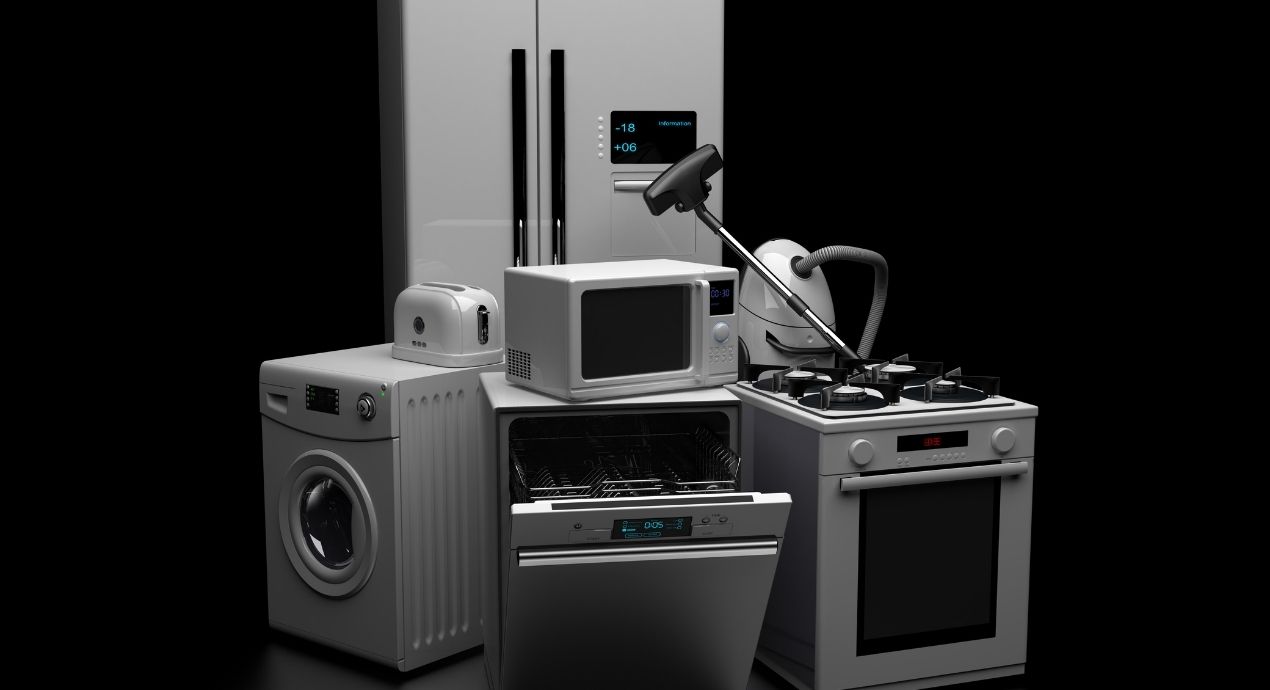
Home warranty coverage splits into two groups: the systems that run your house and the appliances you use every day. Here’s what Liberty Home Guard covers in each.
Standard appliance coverage excludes professional-series, luxury, and other high-end models. You can add pro-series coverage for an extra cost.
Most home warranty companies sell a systems plan, an appliance plan, and a combination plan. Liberty Home Guard also offers a dedicated HVAC plan.
Plan | What it covers | Good fit for |
The 9 kitchen and laundry appliances listed above | Homes with newer HVAC but older appliances | |
AC, heating, ductwork, plumbing, electrical, and water heater | Homeowners most worried about big-ticket system failures | |
Everything in Appliance Guard and Systems Guard | The most complete coverage in one plan | |
Heating and ducted central AC only, including unknown pre-existing HVAC conditions | Older HVAC systems or homes without maintenance records (not offered in Hawaii or Alaska) |
Coverage applies to one of each listed item unless you pay to cover more.
If your home has equipment a standard plan doesn’t include, you can usually add it. Liberty Home Guard’s optional add-ons include:
A home warranty doesn’t cover breakdowns caused by anything other than normal wear and tear. It also excludes certain items, parts, and costs even when the item itself is covered.
Even covered items have parts that aren’t covered. These are the exclusions homeowners run into most often.
Covered item | Covered | Not covered (examples) |
Air conditioning | Mechanical and electronic parts, thermostats | Shorted or grounded compressors, condensate pumps, drain line clogs, zoned systems |
Heating | Mechanical and electronic parts, circulating pumps | Cracked heat exchangers, geothermal systems, radiators, fireplaces |
Plumbing | Leaks and breaks, toilets, clogs within 100 feet | Gas lines, polybutylene and galvanized pipes, clogs a snake can’t clear |
Water heater | Tank or tankless up to 75 gallons | Sediment build-up, storage tanks, drain pans |
Refrigerator | Ice maker, mechanical and electronic parts | Shelves, handles, water and ice dispensers, refrigerant, sealed systems |
Dishwasher | Mechanical and electronic parts | Racks, rollers, door gaskets, soap dispensers |
Garbage disposal | Mechanical and electronic parts | Jams from bones, glass, or other non-food objects |
Garage door opener | Springs, sensors, mechanical parts | The door itself, tracks, rollers, chains, hinges |
Usually not. Most home warranty plans, including Liberty Home Guard’s Appliance Guard, Systems Guard, and Total Home Guard, exclude pre-existing conditions. LHG’s HVAC Guard is an exception because it covers pre-existing conditions on your heating and cooling system.
A pre-existing condition is a malfunction or defect that existed before your coverage began. That includes problems a technician could have found with a visual inspection or a simple mechanical test, even if you didn’t know about them.
Pre-existing conditions fall into two groups:
On standard plans, every covered item must be in place and working properly on the day coverage takes effect. HVAC Guard drops that requirement. Read more in Does a Home Warranty Cover Pre-Existing Conditions on HVAC?
Every home warranty caps what it will pay. Here are the limits in the Liberty Home Guard sample agreement. They reset every 365 days from your coverage start date.
Limit | Annual or monthly plan | Multi-year plan |
Most covered systems and appliances | $2,000 per item | $2,000 per item |
Plumbing, electrical, and optional add-ons | 500 per item (250 in the first 100 days) | 750 per item(375 in the first 100 days) |
Labor, installation, removal, disposal, and haul-away | $150 across all items | $450 across all items |
Refrigerant | $20 per pound | $20 per pound |
Coverage also can’t exceed an item’s book value, which is its fair market value when you file the claim.
Other costs and terms to know:
For typical plan pricing, see our guide to the average cost of home warranty coverage.
Don’t hire your own contractor before filing a claim. LHG doesn’t reimburse diagnoses, repairs, or replacements it didn’t approve first.
A home warranty and homeowners insurance cover different things, and most homeowners benefit from both.
Home warranty | Homeowners insurance | |
Covers | Systems and appliances that break from normal use | Your home and belongings after sudden damage |
Typical cause | Wear and tear | Fire, storms, theft, vandalism |
Example | Your water heater stops heating | A burst pipe floods your basement |
If a covered appliance fails and damages your home, the warranty handles the appliance and your insurance may handle the damage.
The sample contract is the best place to compare plans. Before you sign up, confirm these six things:
Also check where items need to be. LHG covers items inside your home’s foundation or an enclosed garage, plus outdoor-rated equipment like AC condensers and pool equipment.
You don’t need a home inspection or maintenance records to buy a Liberty Home Guard plan, and your systems and appliances can be any age.
Ready to compare? View Liberty Home Guard plans or call (855) 953-9695 to talk with a home warranty expert.
There’s a reason Liberty Home Guard was rated the #1 Home Warranty Service by U.S. News and World Report for 2021, 2022, 2023, 2024, and 2026. Check out our services.
Learn MoreA home warranty covers the repair or replacement of home systems and appliances that fail from normal wear and tear. Common covered items include heating, air conditioning, plumbing, electrical, water heaters, refrigerators, ovens, dishwashers, washers, and dryers.
A home warranty doesn't cover pre-existing conditions, damage from poor maintenance, misuse, accidents, or natural disasters, or cosmetic issues. It also excludes secondary damage, code upgrades, mold, and certain parts of covered items, like refrigerator shelves or a garage door itself.
Most home warranties don't. Liberty Home Guard's Appliance Guard, Systems Guard, and Total Home Guard exclude known and unknown pre-existing conditions. HVAC Guard covers unknown pre-existing conditions on heating and ducted central AC, but not known or documented failures.
Yes. Liberty Home Guard covers systems and appliances of any age, as long as they're in place and working properly when coverage begins.
Yes, diagnosis and repair costs for covered items are included, subject to your plan's dollar limits. Your contract may set a separate cap on labor, installation, removal, and haul-away.
No. A home warranty may cover the leaking pipe or appliance, but not damage the water causes to floors, walls, or belongings. That damage is typically a homeowners insurance claim.
Not on a standard plan. Liberty Home Guard's Limited Roof Leak add-on covers patching leaks over the occupied living area of a single-family home. It doesn't cover partial or full roof replacement.
Most plans have a waiting period. Liberty Home Guard's sample agreement uses a 30-day holding period. However, HVAC Guard coverage begins immediately.
Yes, you can cancel a Liberty Home Guard plan at any time. Cancel within 30 days of your start date for a full refund minus a $50 fee and any claims paid; after that, your refund is prorated.
Stay Ahead of Potential
Home Mishaps!
Subscribe to our Liberty Home Guard Newsletter and gain access to exclusive content that ensures your peace of mind.

Subscribe to receive our emails & get
Have questions?
Call us: (833) 544-8273