





Contemplating coverage?
Subscribe to receive our emails & get
$200 OFF!
Have questions?
Call us: (833) 544-8273


Expert-Reviewed Content: Guided by Editorial Standards

Written By Angel Vallejo
Air conditioning is meant to keep your home comfortable, but for many people, extended AC use can lead to coughing, throat irritation, or dryness. If you’ve ever wondered why your air conditioning cough seems to flare up in the summer or find yourself saying, “My AC makes me cough every time it turns on,” you’re not alone. Your home’s cooling system can influence your indoor air quality more than you think, and sometimes that means small issues turn into bothersome symptoms.
This guide walks you through the most common reasons AC triggers coughing, how to address them, and when it may be time to call in a professional. With clear steps and practical tips, you can restore your home’s comfort without giving up on your cooling system.
While air conditioning itself isn’t harmful, certain conditions inside your AC system or your home can irritate your throat or lungs. Understanding the cause of your air conditioning cough will help you better target the right solution.
Common reasons include:
Your AC may not be the direct cause, but how it operates can amplify these issues. That’s why a thoughtful step-by-step approach works best.
When homeowners say their AC makes them cough, the culprit is often a clogged or old air filter. A filter’s job is to trap dust, pollen, pet dander, and other airborne particles before they recirculate through your home. Once it becomes dirty, it stops doing its job effectively.
A small, inexpensive change can make a dramatic difference in how your home feels, and how your lungs feel.
AC units naturally remove moisture from the air, which can sometimes cause throat dryness and coughing. If this dryness triggers your air conditioning cough, you may need to adjust your humidity levels.
Balancing humidity helps your AC work efficiently while keeping your indoor air comfortable.
Dust and debris can build up inside your ductwork, especially if your AC runs constantly. When the system turns on, it can blow these particles directly into your living space, increasing irritation and causing that familiar air conditioning cough.
If dust clouds appear when the AC kicks on, ductwork cleaning is likely overdue.
Moisture buildup in your AC system can encourage mold growth inside ducts, evaporator coils, or drip pans. For homeowners who say their AC makes them cough, mold exposure is a major culprit to investigate. Mold spores can easily become airborne and affect indoor air quality.
Poor ventilation can trap stale air, allergens, and pollutants inside your home. If the air isn’t circulating properly, your AC may inadvertently redistribute irritants.
Better ventilation means cleaner, fresher air and fewer cough triggers.
Sometimes an air conditioning cough happens simply because the temperature difference between indoors and outdoors is too dramatic. Breathing very cold air can shock your respiratory system, especially if you already have allergies or asthma.
Small adjustments can reduce throat irritation while keeping your home cool.
A well-maintained AC system performs better, uses less energy, and contributes to healthier indoor air. Routine maintenance helps prevent many causes behind a persistent air conditioning cough.
Regular care not only prevents health irritations, but helps extend your system’s lifespan.
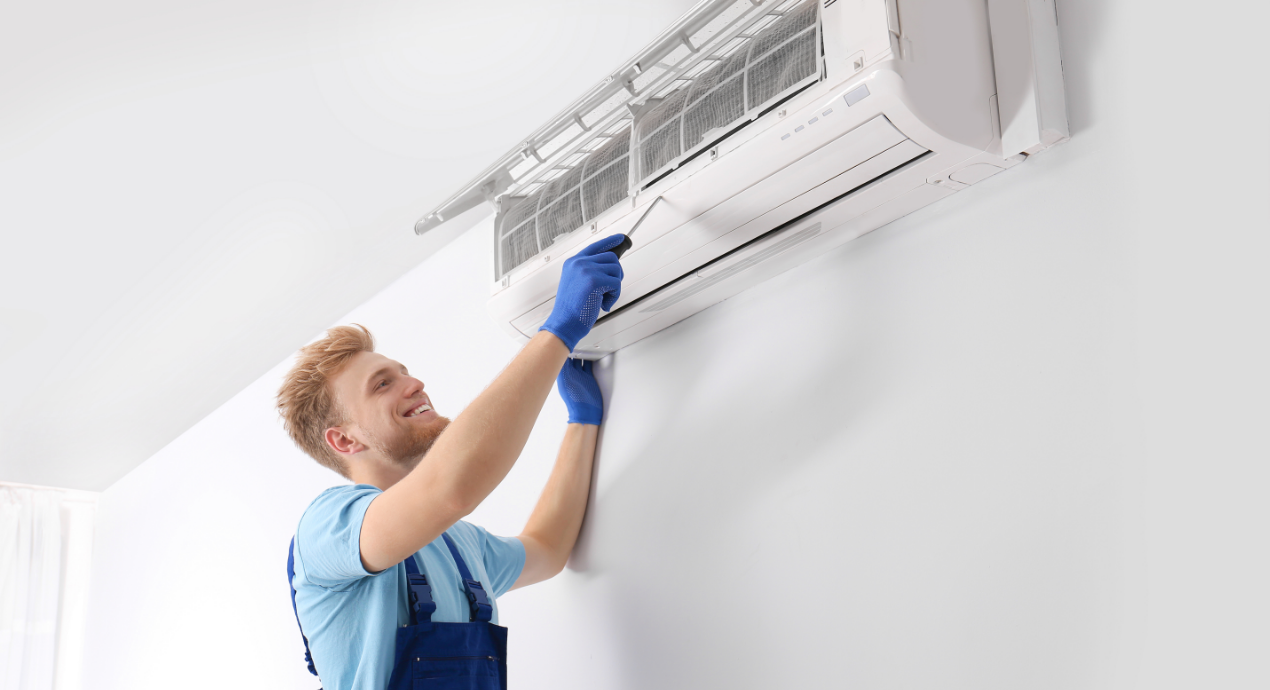
If you’ve tried the above steps and still notice that the AC makes me cough, it may be time to call in a professional HVAC technician. They can inspect internal components, test for mold or mildew, evaluate air quality, check for system malfunctions, and recommend long-term solutions. A trained eye can uncover issues homeowners may overlook and help restore safe, comfortable indoor air.
Coughing caused by your air conditioner is inconvenient, but it’s almost always fixable. Whether your air conditioning cough is due to dry air, dirty filters, or poor ventilation, the right steps can help restore comfort and improve your home’s air quality. Paying attention to your AC system and taking preventive action ensures a healthier, more pleasant environment for everyone in your home.
If you’re ready to create a safer, more comfortable home or want coverage that protects your HVAC system year-round, Liberty Home Guard is here to help. Explore our expert guides and home warranty options to keep your home systems running smoothly.
There’s a reason Liberty Home Guard was rated the #1 Home Warranty Service by U.S. News and World Report for 2021, 2022, 2023, and 2024. Check out our services.
Learn MoreYes. Air conditioning can trigger coughing if it circulates dust, mold, allergens, or overly dry air, which can irritate the throat and airways.
Coughing at night often happens because cool, dry air flows continuously while you sleep, drying your throat or circulating allergens from vents.
Yes. Dirty or clogged filters allow dust, pollen, and pet dander to recirculate, which can irritate your respiratory system and cause coughing.
Yes. Air conditioners remove moisture from the air, and low humidity can dry out your throat, leading to irritation and persistent coughing.
Replacing air filters regularly, maintaining proper humidity, cleaning vents, and scheduling routine AC maintenance can help reduce coughing.
Stay Ahead of Potential
Home Mishaps!
Subscribe to our Liberty Home Guard Newsletter and gain access to exclusive content that ensures your peace of mind.

Subscribe to receive our emails & get
Have questions?
Call us: (833) 544-8273