




Contemplating coverage?
Subscribe to receive our emails & get
$300 OFF!
Have questions?
Call us: (833) 544-8273

Expert-Reviewed Content: Guided by Editorial Standards

Written By Erin Easley
If you’ve lived in a residential area, you’ve likely noticed the short, narrow pipes extending from the roof of many homes. These are called plumbing air vents, and they’re a crucial part of your home’s drainage and venting plumbing system. Though easy to overlook, understanding how plumbing vents work, and seeing how they connect through a plumbing vent diagram, can help you spot and prevent common plumbing issues.
In simple terms, a plumbing vent is a vertical pipe that allows air to flow through your plumbing system. Much like a chimney or flue releases smoke from a fireplace, the plumbing vent releases gases and balances air pressure in your drainage pipes.
The main vertical pipe that extends through your roof is known as the plumbing vent stack. While it’s a key part of the plumbing system, no water actually flows through it. Instead, it carries air, gases, and odors safely out of your home.
In most plumbing vent diagrams, you’ll see the vent stack branching from drain lines beneath sinks, tubs, and toilets, then extending upward through the roof to release air pressure.
There’s a reason Liberty Home Guard was rated the #1 Home Warranty
Service by U.S. News and World Report for 2021, 2022, 2023, 2024, and 2026. Check out our services.
The primary purpose of venting plumbing systems is to keep wastewater moving efficiently and safely through your pipes.
Here’s what your plumbing vent does for your home:
Without proper venting, plumbing systems can become sluggish, noisy, and even dangerous due to trapped gases.
Even though plumbing vents are simple in design, they can still develop issues over time. Clogs and blockages are the most common problems that affect venting plumbing systems.
Common causes of vent stack clogs include:
If your vent pipe becomes blocked, you might notice:
When these symptoms appear, a professional plumber can inspect your venting plumbing system and, if needed, refer to a plumbing vent diagram to locate and clear the blockage safely.
Your plumbing vent stack usually exits through the roof, but you can also find access points in basements, attics, or behind walls. If you’re unsure where your vent lines run, a simple plumbing vent diagram can show you how each fixture connects to the vent stack.
Modern venting plumbing designs sometimes include auxiliary vents, like air admittance valves (AAVs),to provide ventilation in tight spaces or remodels. These should always be installed by a professional to meet local building codes.
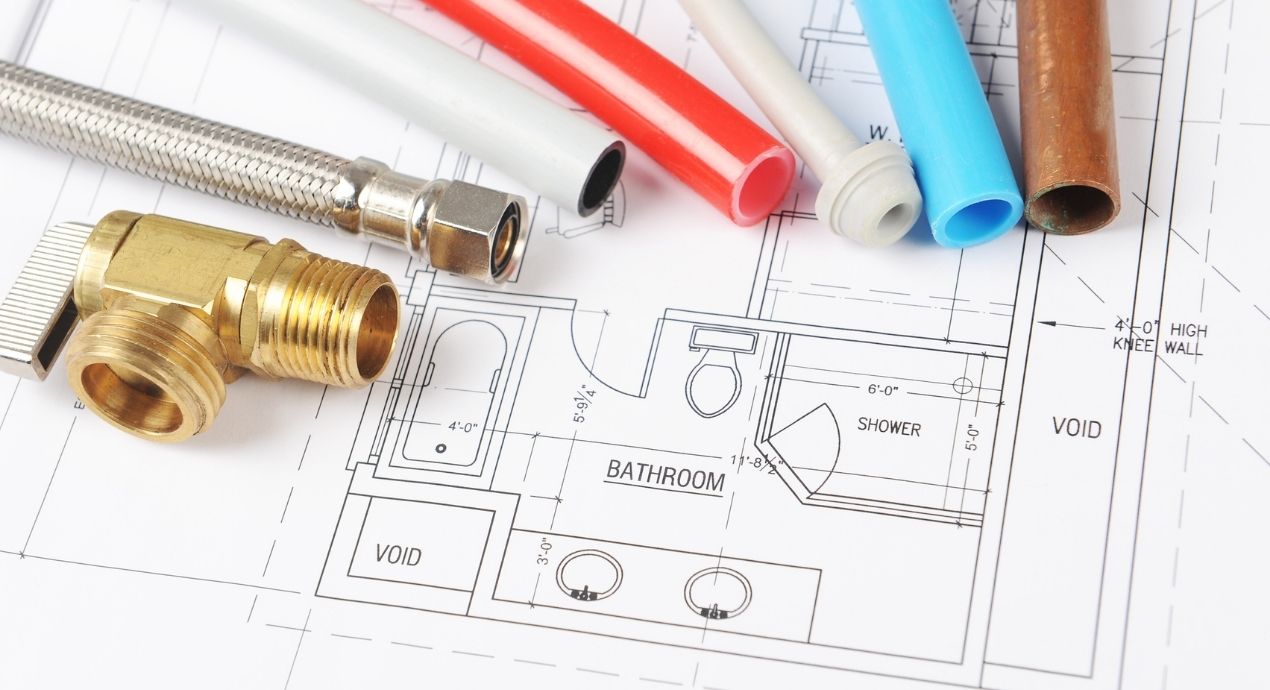
If you’re a visual learner, viewing a plumbing vent diagram can make understanding your home’s venting system much easier. It illustrates how each fixture—sink, toilet, shower, or tub—is connected through the drain and vent network.
A well-designed plumbing vent diagram helps homeowners identify vent stacks, branch vents, and cleanouts, making troubleshooting much simpler.
A home warranty that includes plumbing coverage can help protect your home from venting and drainage issues. With a plan in place, repairs to clogged or malfunctioning plumbing vents can be handled quickly and affordably.
Liberty Home Guard’s robust plans provide protection for essential plumbing systems, including venting components. You can learn more about plumbing coverage or request a free quote by calling (833)-545-7060.
Plumbing vents may not be as visible as your faucets or pipes, but they are essential for a healthy, efficient home plumbing system. By understanding how venting plumbing works, and knowing what to look for when problems arise, you can maintain smooth drainage, eliminate odors, and keep your system in top shape.
If you suspect an issue with your plumbing vent, don’t wait. Refer to a plumbing vent diagram, inspect for obstructions, or contact a licensed plumber for a professional evaluation.
A clogged vent can cause gurgling drains, slow drainage, foul odors, and even standing water because air can’t flow properly through the pipes.
Most vent stacks exit through the roof, but you may also find accessible vent lines in attics, basements, or behind utility walls.
Yes—every sink, toilet, tub, and shower requires proper venting to maintain air pressure and prevent sewer gases from entering your home.
Minor debris at the roof opening may be removable, but clogs deeper in the pipe should be handled by a licensed plumber for safety and accuracy.
Many home warranties—including Liberty Home Guard—cover plumbing systems, which may include repairs for clogged or malfunctioning vent components depending on your plan.
Stay Ahead of Potential
Home Mishaps!
Subscribe to our Liberty Home Guard Newsletter and gain access to exclusive content that ensures your peace of mind.

Subscribe to receive our emails & get
Have questions?
Call us: (833) 544-8273