




Contemplating coverage?
Subscribe to receive our emails & get
$300 OFF!
Have questions?
Call us: (833) 544-8273


Expert-Reviewed Content: Guided by Editorial Standards

Written By Erin Easley
All homeowners should engage in routine plumbing maintenance to keep their homes in working order. Water, rust, mineral buildup, and temperature changes can do a number on the pipes and fixtures in your home. Most problems are easily resolved when caught early, but even minor problems can compound over time and cause significant issues. Severe plumbing issues can even compromise other systems and structures in the home.
Summer is the perfect time to revisit your plumbing preventative maintenance plan. You may have more free time to attend to your home plumbing system, and warmer temperatures make it easier to access and work on pipes and fixtures. The below checklist describes some simple tasks you can perform to keep your home in good shape.
There’s a reason Liberty Home Guard was rated the #1 Home Warranty Service by U.S. News and World Report for 2021, 2022, 2023, 2024, and 2026. Check out our services.
Learn MoreInspect your pipes for corrosion. Check your attic, basement, and other spaces in your home for exposed pipes. Remember to look behind toilets and under sinks. If you see rust on iron and steel pipes or a green-blue buildup on copper and brass, your pipes are on their way to being corroded and may need to be replaced. Galvanized steel pipes, common in homes built before 1960, typically last 40 to 50 years and are the most likely to fail first.
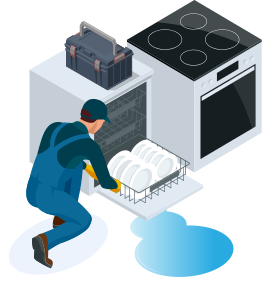
Check for leaks. Check pipes and fixtures for leaks, however small. This means checking showerheads, tub and sink faucets, toilets, dishwashers, washing machines, water softeners, refrigerators, and any other appliances connected to your home’s plumbing system. Check not only for puddles and dripping water, but for signs of water damage, such as mildew or signs of mold, warping, and peeling paint.
A faster whole-house test: shut off every faucet and water-using appliance, then read your water meter. Wait two hours without using any water and read it again. If the number moved, you have a leak somewhere you cannot see.
Confirm your drains are draining water efficiently. Watch how long it takes for water to drain from your bathtubs and sinks. A healthy bathroom sink should clear a full basin in under a minute. Listen for unusual sounds or gurgling, which often signals a venting problem rather than a clog. If there seems to be a clog, you can use a plumber’s snake, clean the p-traps, or apply drain cleaner. Use chemical drain cleaner sparingly, since repeated use can degrade older pipes and PVC joints.
Look for mineral buildup. If your water has high mineral content, you may notice accumulation on your showerheads and faucets. Immersing the affected area in vinegar can solve the problem.
Service your water heater. Check your water heater for any signs of damage. Also inspect the anode rods, which are long rods that remove corrosive particles from the water. Over time, anode rods become less efficient and need to be replaced. Finally, drain your water heater to flush out any sediment before refilling.
Perform a septic tank check-up. Review important septic tank maintenance tips to ensure your tank continues to work properly. Check if your tank is due to be professionally emptied. Inspect the area where the tank is buried for signs of possible issues. Pay attention to odors, insects, damp ground, or noticeably different patches of grass.
Survey your outdoor irrigation and drainage systems. If you have a sprinkler system, check that all sprinklers are in working order. Also check any hoses, outdoor spigots, gutters, and storm drains. Clear gutters and drains of leaves and other debris to prevent flooding. Summer is also when outdoor spigots see the heaviest use, so check for drips at the handle and for soft or damp spots in the wall behind the spigot.
Remember to use technology to your advantage. Look into some of the best home maintenance mobile apps. Some apps can help you diagnose problems with your plumbing system. Others can provide detailed information on how fix an issue. There are also apps to help you create a home maintenance schedule so nothing is overlooked.
Routine maintenance will extend the lifespan of your home’s plumbing, but fixtures and pipes still require repair and replacement. An affordable home warranty with Liberty Home Guard can provide peace of mind and ensure you won’t be hit with a surprise expense when something goes wrong.
Click below for a free quote or contact a representative at (866) 699-4589.
Once a year for most homes. If you have hard water or a large household, flush it every six months. Sediment settling at the bottom of the tank forces the heater to work harder, raises energy costs, and shortens the unit's life. If you have never flushed a tank that is more than a few years old, have a professional do the first one, since disturbing years of hardened sediment can expose an existing leak.
The most reliable indicator is an unexplained jump in your water bill. Other signs include a musty smell with no visible source, warm or damp spots on the floor, paint or wallpaper that bubbles or peels, a faint running-water sound when nothing is on, and the water meter moving while every fixture is off. Hidden leaks behind walls or under slabs rarely announce themselves with a visible puddle until damage is already extensive.
Summer maintenance centers on the systems you use hardest in warm months: outdoor spigots, hoses, sprinkler heads, and drains handling extra volume. Flush the water heater, check water pressure, clear gutters and storm drains before summer storms, inspect exposed pipes for corrosion, and test all fixtures for leaks. Warm weather also makes crawl spaces and basements easier to access, which is why summer is the practical time to complete inspections you skipped in winter.
A home warranty typically covers the repair or replacement of plumbing components that fail from normal wear and tear, such as pipe leaks, water heaters, toilets, faucets, and sump pumps. Coverage does not extend to damage caused by neglect, improper installation, or an event a homeowners insurance policy would handle, like a flood. Read your specific plan for exclusions and coverage caps before you need to file a claim.
Lifespan depends on the material. Brass and copper pipes commonly last 50 or more years, cast iron drain lines run 75 to 100 years, PVC drain lines run 25 to 40 years, and PEX supply lines are generally rated around 40 to 50 years. Galvanized steel is the shortest-lived at roughly 20 to 50 years and is the material most likely to need replacement in an older home. Water chemistry, pressure, and installation quality all move these ranges up or down.
Stay Ahead of Potential
Home Mishaps!
Subscribe to our Liberty Home Guard Newsletter and gain access to exclusive content that ensures your peace of mind.

Subscribe to receive our emails & get
Have questions?
Call us: (833) 544-8273